
Tag: Communication Tools

  • Are Smart Glasses Finally Becoming Useful for Work?

    Are Smart Glasses Finally Becoming Useful for Work?

    Smart glasses have had a complicated history.

    For years, they sounded futuristic but felt awkward in real life. Many people saw them as too expensive, too distracting, or too unusual to become part of the average workday. But the newest wave of AI-powered smart glasses is starting to change that conversation.

    Companies including Google, Meta, and Samsung are investing in wearable AI devices that could help people access information, translate conversations, capture notes, and interact with digital tools without constantly reaching for a phone or laptop. Google has been working with partners including Samsung, Warby Parker, and Gentle Monster on Gemini-powered smart glasses, while Meta reportedly has several new smart glasses planned for 2026.

    What Are Smart Glasses?

    Smart glasses are wearable devices that look like regular eyewear but include built-in technology such as cameras, microphones, speakers, sensors, or AI assistants.

    A practical way to think about them is this: smart glasses are designed to bring digital help into the real world without requiring someone to constantly look down at a screen.

    For example, a professional could use smart glasses to hear a translated conversation, capture a quick note, receive directions, review meeting reminders, or get hands-free assistance while working.

    Why Professionals Are Paying Attention

    Most professionals already know the feeling of juggling too many screens.

    A meeting on the laptop. A message on the phone. Notes in another app. A calendar reminder pops up right when the conversation gets important.

    Smart glasses could reduce some of that friction by making certain tasks more hands free. Instead of stopping to type a note or search for information, a worker may eventually be able to ask a wearable assistant for help in the moment.

    That could matter in industries where people need to keep their hands free, such as healthcare, field service, logistics, manufacturing, training, travel, and customer support.

    The value is not just looking futuristic. The value is helping people stay focused while still having access to useful information.

    The Trust Question

    The biggest challenge may not be the technology itself. It may be trust.

    Smart glasses can include cameras, microphones, and real-time AI assistance. That raises important questions about privacy, consent, workplace policies, and how information is stored. Recent reporting on AI eyewear has pointed out that these devices could create new opportunities, but also new concerns around data ethics, bystander privacy, and transparency.

    In a workplace, that matters. Employees, customers, and partners need to know when devices are recording, what information is being captured, and how that data is being protected.

    This is where the conversation connects back to business communication. Companies like NEVTIS Corp help organizations modernize the way teams communicate through voice, video, messaging, and collaboration tools. As new devices enter the workplace, companies will need communication systems and policies that support both productivity and trust.

    UCaaS, or Unified Communications as a Service, brings business phone, video meetings, messaging, and collaboration into one connected system. If wearable tools become part of daily work, businesses will need to think carefully about how those tools connect to meetings, customer conversations, and internal communication.

    Looking Ahead

    Smart glasses may not replace laptops or phones anytime soon.

    But they could become useful in specific moments where hands-free access, quick information, or real-time assistance make work easier. The companies that benefit most will be the ones that treat wearable technology as a tool with a clear purpose, not just a trend.

    For teams, the question is not only, “Can this device do something impressive?”

    The better question is, “Does it help people work better without creating new confusion or privacy risks?”

    Tech Today Takeaway: Smart glasses are moving from a futuristic idea to a practical workplace experiment. Their success will depend on whether they can deliver real productivity while earning trust from the people expected to use them.
  • What Happens to All the Data Your Business Collects?

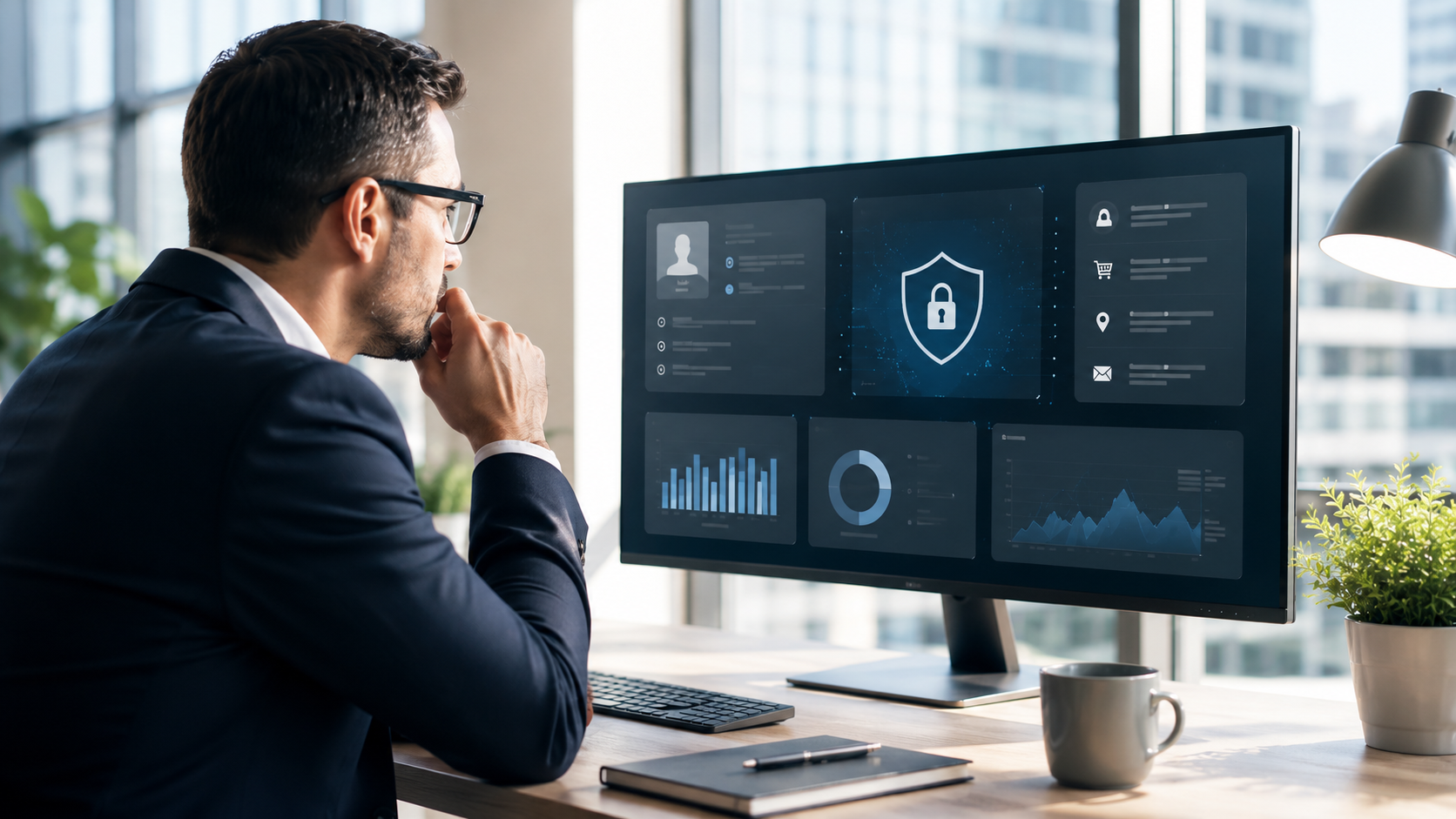
    What Happens to All the Data Your Business Collects?

    Every digital interaction leaves a trail.

    A customer fills out a contact form. A prospect schedules a demo. An employee joins a video meeting. A client sends a message. A website tracks behavior. A support team saves conversation history.

    Individually, these moments may seem small. Together, they create a large amount of business data, and many companies do not always realize how much information they are collecting.

    That is why data privacy is becoming a bigger business issue.

    What Is Data Privacy?

    Data privacy is about how personal information is collected, used, stored, shared, and protected.

    That information can include names, email addresses, phone numbers, payment details, customer records, employee information, location data, and communication history.

    Think of it this way: data privacy is not only about stopping hackers. It is also about knowing what information your company has, where it lives, who can access it, and whether it is being handled responsibly.

    Why Companies Should Pay Attention

    Businesses are using more digital tools than ever before.

    Customer platforms, payment systems, employee software, marketing tools, websites, AI systems, and communication platforms all collect or process information in some way. That can help companies work smarter, but it also creates more responsibility.

    For many organizations, the challenge is not intentional misuse. It is lack of visibility.

    A company may not realize how many tools are storing customer details, how many employees have access to certain records, or how long information is being kept.

    That can become a problem in the long run as privacy rules become stricter and customers become more aware of how their information is used.

    Trust Depends on How Data Is Handled

    Customers want convenience, but they also want confidence.

    They want quick responses, easy online forms, smooth communication, and personalized service. But they also expect businesses to protect their information.

    If a company mishandles data, the damage can go beyond a technical issue. It can affect trust, reputation, and customer relationships.

    This is especially important for communication.

    Calls, messages, video meetings, customer conversations, and shared files often contain information that businesses need to protect. Companies like NEVTIS Corp help organizations modernize the way teams communicate through voice, video, messaging, and collaboration tools.

    As communication becomes more digital, companies need more than convenience. They need systems, habits, and policies that help teams stay connected while treating business and customer information responsibly.

    UCaaS, or Unified Communications as a Service, brings business phone, video meetings, messaging, and collaboration into one connected system. For teams, this can make communication easier to manage. For companies, it also highlights the importance of choosing reliable tools and setting clear expectations for how information is handled.

    Looking Ahead

    Data privacy will continue to shape how businesses use technology.

    As companies adopt more AI tools, automation platforms, connected devices, and digital communication systems, they will need to be more intentional about the information they collect and protect.

    This does not mean companies should avoid technology. It means they should use it with more awareness.

    Executives, managers, and entrepreneurs should ask practical questions: What information are we collecting? Where is it stored? Who can access it? Are employees trained on privacy basics? Are our communication tools managed properly? Do customers understand how their information is being used?

    The companies that answer these questions early will be better prepared for a business environment where trust is part of the technology experience.

    Tech Today Takeaway: Your business may collect more data than you realize. Companies that understand, protect, and responsibly manage that information will be better positioned to build trust in a more connected digital world.

  • From Smart Lights to Smarter Living: How Connected Homes Are Changing Daily Life

    From Smart Lights to Smarter Living: How Connected Homes Are Changing Daily Life

    Smart home technology used to feel like a luxury.

    A voice assistant could play music. A smart light could turn on from a phone. A thermostat could adjust itself automatically. For many people, these tools seemed useful, but not essential.

    That is starting to change.

    As more professionals work flexible schedules, manage busy households, and rely on connected devices throughout the day, smart home technology is becoming part of everyday productivity.

    What Is Smart Home Technology?

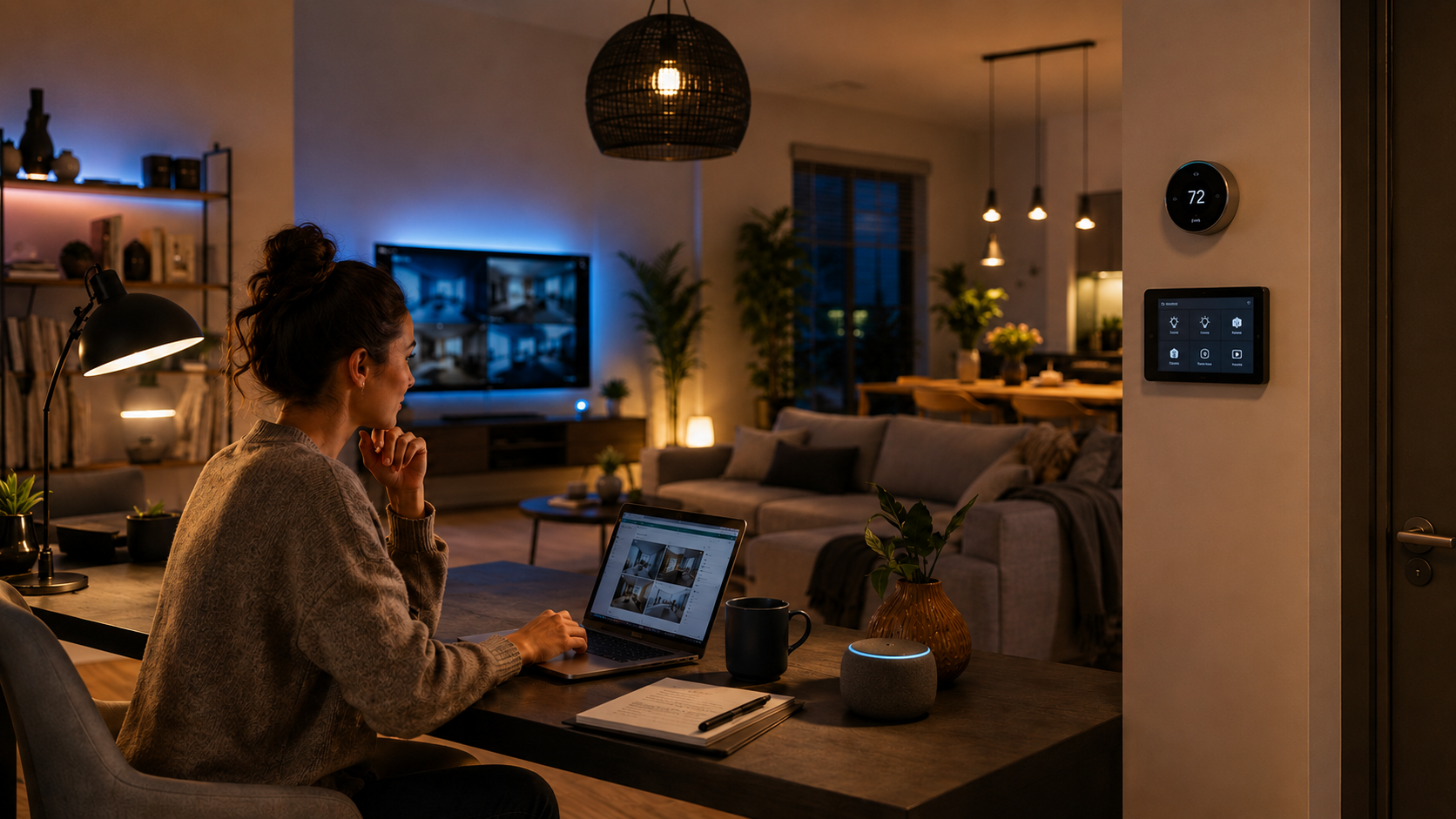
    Smart home technology refers to devices in the home that connect to the internet and can be controlled through an app, voice assistant, or automated setting.

    That includes smart speakers, lights, thermostats, cameras, doorbells, locks, appliances, and home office devices.

    A helpful way to think about it is this: smart home tools allow people to manage parts of their home without doing every task manually. Lights can turn on automatically. A thermostat can adjust based on the time of day. A security camera can send an alert. A voice assistant can set reminders, manage calendars, or control connected devices.

    The goal is not just to make a home feel futuristic. It is to make daily routines easier to manage.

    Why It Matters for Modern Professionals

    Work and personal life are more connected than they used to be.

    Many people now start their day by checking messages at home, taking video calls from a home office, managing family schedules, and moving between personal and professional tasks. When the home is also part of the workday, the technology inside it can affect focus, comfort, and productivity.

    For example, better lighting can improve a video meeting setup. A smart speaker can help manage reminders. A connected thermostat can create a more comfortable workspace. A security system can give peace of mind during a busy day.

    These may seem like small improvements, but together they can make daily life feel more organized.

    When Convenience Becomes a Connected Experience

    The real value of smart home technology is not one device by itself. It is how multiple tools work together.

    A morning routine might adjust the lights, start the coffee maker, read calendar reminders, and prepare the home office before the first meeting begins. A security alert might reach a phone while someone is away. A voice assistant might help set a reminder during a busy workday.

    This connects to a larger trend in technology: people expect tools to work together, not create extra steps.

    That same expectation exists in business communication. Companies like NEVTIS Corp help businesses modernize the way teams communicate through voice, video, messaging, and collaboration tools. Whether at home or in the workplace, people want technology that feels connected, reliable, and easy to use.

    Looking Ahead

    Smart home technology will likely become more practical and less noticeable over time.

    Instead of feeling like separate gadgets, connected devices may become part of the background of daily life, helping people save time, manage routines, and stay focused.

    For entrepreneurs, professionals, and growing teams, the bigger lesson is simple: technology works best when it reduces friction.

    Whether it is a smart home device or a business communication system, the goal should be the same: to make life and work easier, not more complicated.

    Tech Today Takeaway: Smart home technology is no longer just about convenience. It is becoming part of how people manage time, improve routines, and create more connected work-life experiences.

  • Are Too Many Work Apps Slowing Teams Down?

    Are Too Many Work Apps Slowing Teams Down?

  • Europe’s AI Rules Are Becoming a Global Business Issue

    Europe’s AI Rules Are Becoming a Global Business Issue

    Artificial intelligence is not only changing how businesses operate. It is also changing how governments regulate technology.

    In Europe, the AI Act is moving closer to full enforcement. The law is designed to create clearer rules around how artificial intelligence is built, used, and managed. According to the European Commission, the AI Act entered into force on August 1, 2024, and is scheduled to become fully applicable on August 2, 2026, with some parts already applying earlier.

    What Is the EU AI Act?

    The EU AI Act is a legal framework that sets rules for artificial intelligence based on risk.

    In simple terms, the more impact an AI system could have on people’s safety, rights, or opportunities, the more rules it may need to follow.

    For example, an AI tool used for simple writing support may face fewer requirements than an AI system used in hiring, healthcare, finance, or public services. The European Commission describes the AI Act as the first legal framework on AI designed to address AI risks and position Europe as a global leader in trustworthy AI.

    Why It Matters for Businesses

    This matters because AI regulation is becoming part of business strategy.

    Companies that use AI may need to understand where their tools come from, what data they use, how decisions are made, and whether employees or customers are affected by automated systems. Even businesses outside Europe may pay attention if they serve European customers, use European data, or work with global technology vendors.

    For business leaders, the key point is simple: AI is moving from “new tool” to “managed business system.”

    Trust Is Becoming a Competitive Advantage

    As companies adopt more digital tools, customers and partners may begin asking harder questions about privacy, security, and transparency.

    That is especially important for communication and collaboration. Businesses depend on voice, video, messaging, customer conversations, and shared information every day. If AI becomes part of those workflows, leaders will need to know how those systems are being used and protected.

    This is where companies like NEVTIS Corp fit naturally into the conversation. NEVTIS helps businesses modernize communication through voice, video, messaging, and collaboration tools. As technology becomes more advanced, businesses will need communication systems that support productivity while also helping teams operate with clarity and trust.

    Looking Ahead

    Europe’s AI Act may become more than a regional regulation. It could influence how companies around the world think about AI governance, risk, and accountability.

    For businesses, the goal is not to avoid AI. The goal is to use AI responsibly, with the right systems, policies, and partners in place.

    Tech Today Takeaway: AI regulation is becoming a business issue. Companies that understand privacy, security, and responsible technology use will be better prepared for the next phase of digital transformation.

  • Your Workday Never Really Ends—And Technology May Be the Reason Why

    Your Workday Never Really Ends—And Technology May Be the Reason Why

    Technology has made work faster, more flexible, and more connected. But for many professionals, it has also made it harder to turn off.

    Between emails, video meetings, instant messages, project updates, and after-hours notifications, employees are spending more of their day reacting to digital noise. What was designed to improve productivity can sometimes create the opposite effect: distraction, fatigue, and burnout.

    What Is Digital Burnout?

    Digital burnout is the mental exhaustion that comes from being constantly connected to work through screens, messages, meetings, and notifications.

    It is different from simply being busy. Digital burnout happens when employees feel like they are always “on,” switching between tools, responding to messages, and trying to keep up with communication across multiple platforms.

    In simple terms, the workday does not always end when the office closes.

    Why Businesses Should Pay Attention

    Digital burnout is not just an employee wellness issue. It can affect business performance.

    When employees are overwhelmed by too many meetings, alerts, and communication channels, it becomes harder to focus on meaningful work. Teams may respond slower, miss important details, or spend more time managing communication than actually completing projects.

    Recent workplace research continues to show that companies are facing challenges around burnout, disengagement, hybrid work, and communication overload. Microsoft’s Work Trend Index also focuses on how organizations can help employees thrive during ongoing changes in the way people work.

    For business leaders, the message is clear: more tools do not always mean better productivity. The real goal is to create communication systems that help teams work with clarity, not confusion.

    Building Healthier Communication Habits

    The solution is not to remove technology. It is to use technology more intentionally.

    Businesses can reduce digital burnout by setting clearer expectations around response times, limiting unnecessary meetings, organizing communication channels, and choosing tools that make collaboration easier instead of more complicated.

    This is where modern communication planning matters. NEVTIS Corp helps businesses improve the way teams communicate through voice, video, messaging, and collaboration tools that support a more connected workplace.

    When communication is organized and easy to manage, employees can spend less time chasing information and more time doing meaningful work.

    Looking Ahead

    As the workplace becomes more digital, companies will need to think carefully about how technology affects focus, productivity, and employee experience.

    The businesses that succeed will not simply adopt more tools. They will choose the right tools, create smarter communication habits, and build work environments where people can stay connected without feeling overwhelmed.

    Tech Today Takeaway: Digital burnout is a reminder that technology should support people, not exhaust them. For businesses, smarter communication habits may be just as important as the tools themselves.