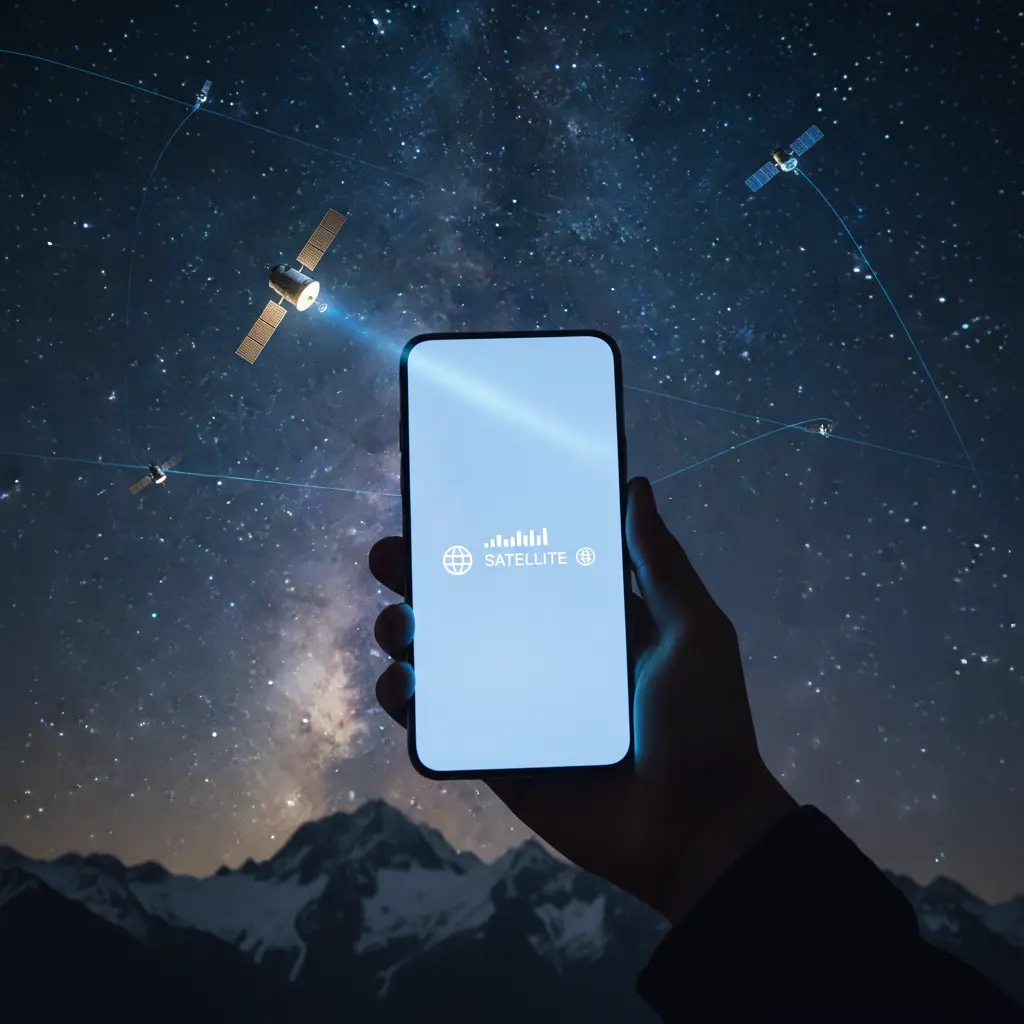
Imagine standing on the edge of a remote mountain trail, miles away from the nearest cell tower, yet holding the power to instantly connect with anyone in the world. The era of the dead zone is rapidly coming to an end thanks to the latest wave of satellite-enabled telecommunications gadgets. Welcome to the revolution of Direct-to-Device connectivity, where the sky is no longer the limit but the very foundation of our communication.
The Dawn of Direct-to-Device Communications
For decades, the telecommunications technology ecosystem has relied heavily on terrestrial networks. Cell towers, fiber optic cables, and massive underground infrastructures have successfully connected billions of people. However, this traditional architecture has a fundamental limitation: it struggles to reach remote, rural, or geographically challenging areas. Enter the era of Non-Terrestrial Networks (NTN) and Direct-to-Device (D2D) satellite gadgets, an innovation that promises to redefine how humanity stays in touch.
Historically, accessing satellite networks required bulky, expensive equipment that was strictly the domain of maritime professionals, extreme adventurers, or emergency responders. Today, incredible advancements in hardware miniaturization and sophisticated antenna design have condensed this complex technology into pocket-sized gadgets and seamlessly integrated it into consumer smartphones. This transformation represents a monumental shift in how we think about staying connected, promising a future where offline connectivity is a choice rather much rather than an environmental constraint.
Understanding the Technological Shift
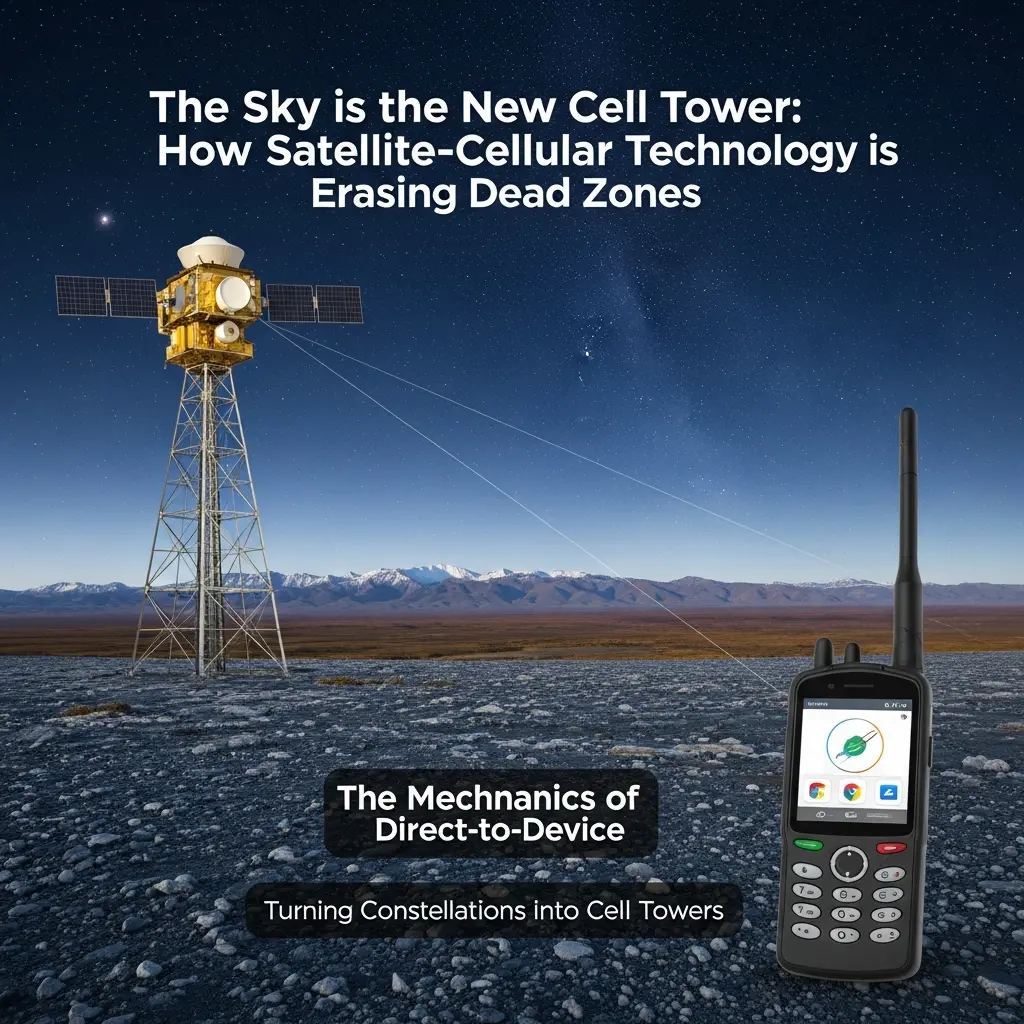
At the heart of this telecom gadget revolution is the widespread deployment of Low Earth Orbit (LEO) satellite constellations. Unlike traditional geostationary satellites that hover tens of thousands of miles above the Earth, LEO satellites orbit much closer—typically between 300 and 1,200 miles from the planet’s surface. This proximity drastically reduces network latency and allows for the reliable transmission of communication signals using much smaller, less power-hungry antennas.
Modern telecommunications gadgets leverage these LEO networks to send simple text messages, share precise location data, and trigger critical emergency SOS alerts even when standard cellular reception is entirely absent. Telecom hardware manufacturers are now embedding specialized microchips capable of communicating on satellite frequencies directly into our everyday mobile devices. The true beauty of this innovation lies in its transparency to the end-user; the transition from a standard 5G cellular network to a space-based satellite link is becoming increasingly seamless and intuitive.
By the Numbers: The Rise of Satellite Messaging
The global enthusiasm for this new connectivity frontier is not just anecdotal; it is heavily supported by compelling market data. The consumer demand for continuous, reliable connectivity is driving rapid financial and technological expansion within the broader telecommunications sector.
According to a recent market forecast published by Juniper Research, the number of users utilizing satellite messaging capabilities on their consumer devices is projected to grow exponentially, reaching an estimated 130 million globally by the year 2028. This rapid growth highlights a massive shift in user expectations regarding network availability, transitioning from a luxury feature to an expected safety standard.
Furthermore, a comprehensive industry report by CCS Insight notes that while terrestrial cellular networks have expanded significantly over the past decade, over 90 percent of the Earth’s surface still lacks standard cellular coverage. This staggering statistic is the primary catalyst behind the projected 18 billion dollar satellite IoT and consumer gadget market by 2027. These figures clearly demonstrate that bridging the connectivity gap is both a highly lucrative business opportunity and a critical step forward for the safety and unification of global communication.
Exploring the Gadget Ecosystem: Standalone vs. Integrated
The current technology market offers two distinct and highly practical approaches to consumer satellite connectivity: integrated flagship smartphones and dedicated standalone satellite messengers. Understanding the difference is key to maximizing your connectivity.
Integrated Smartphones
Leading smartphone manufacturers have recently begun embedding satellite connectivity components directly into their premium models. These devices utilize proprietary user interface software to actively guide users to point their phones at passing satellites, allowing them to send heavily compressed emergency messages or share their GPS coordinates. While currently limited mostly to text-based SOS and roadside assistance features, the technology is rapidly evolving. The eventual goal of the telecommunications ecosystem is to support high-quality voice calls and basic internet data transfers through standard cellular protocols adapted for space transmission.
Standalone Satellite Dongles and Messengers
For those who do not wish to immediately upgrade their primary smartphone, an entirely new category of telecommunications gadgets has emerged: the satellite Bluetooth dongle. These rugged, highly compact devices pair directly with your existing smartphone via standard Bluetooth. By using a companion mobile app, you can easily route your text messages through the gadget’s dedicated satellite antenna. This solution is highly practical for outdoor enthusiasts, remote field workers, and global travelers who need reliable two-way messaging capabilities without investing thousands of dollars into an entirely new mobile ecosystem.

Practical Advice: Choosing Your Next Connectivity Gadget
With the rapid influx of these cutting-edge gadgets on the market, it can be challenging to determine which specific device best suits your individual lifestyle needs. Whether you are a casual weekend hiker or a professional engineer working in remote dead zones, making an informed educational decision is crucial. Here are some essential, practical tips to guide your next tech purchase:
- Assess your exact coverage needs: Before purchasing a satellite gadget, carefully review the interactive coverage map provided by the device manufacturer. Some satellite constellations offer truly global, pole-to-pole coverage, while others are restricted to specific continents, countries, or latitudes. Match the device’s operational capabilities directly to your most frequent travel destinations to ensure optimal performance.
- Understand the diverse subscription models: Unlike traditional cell phones that operate on standard carrier data plans, most standalone satellite gadgets require a separate monthly or annual subscription fee to access the orbital network. Evaluate your lifestyle to determine whether you need a flexible pay-as-you-go plan designed for seasonal summer adventures, or a continuous, automated annual contract that provides year-round peace of mind.
- Prioritize battery life and rugged durability: When venturing deep into known dead zones, your gadget’s physical reliability is fundamentally a matter of personal safety. Look for communication devices that feature ruggedized chassis, reinforced screens, and official IP68 water and dust resistance ratings. Additionally, strictly opt for gadgets that offer a proven battery life of several days or even weeks on a single charge, ensuring you are never left disconnected during a critical, life-altering moment.
The Convergence of 5G and Non-Terrestrial Networks
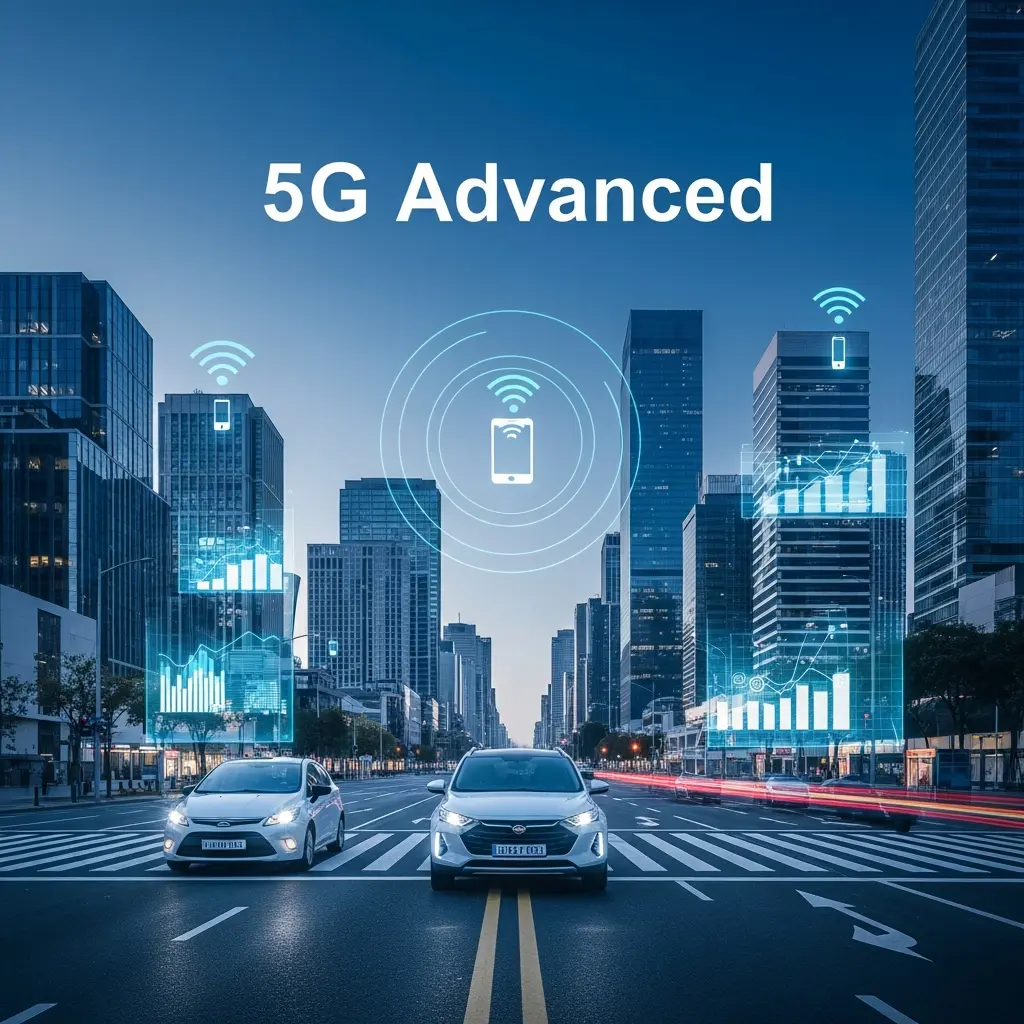
Looking ahead, the telecommunications technology ecosystem is enthusiastically preparing for an unprecedented technological convergence. The 3rd Generation Partnership Project (3GPP), the international organization responsible for developing and maintaining mobile broadband standards, has officially included Non-Terrestrial Networks in its latest 5G advanced specifications. This critical standardization means that the historical distinction between a traditional terrestrial cell tower and a floating LEO satellite will soon blur entirely.
In the near future, we will witness telecom gadgets that seamlessly switch from a localized 5G terrestrial network to a global satellite network the exact moment you drive out of town. There will be no pressing need for companion apps, external Bluetooth dongles, or awkwardly pointing your phone at the open sky. Your smart device will simply remain fully connected, automatically pulling digital data from the stratosphere to keep your text messages, GPS navigation, and eventually high-definition voice calls flowing without a single interruption.
This technological leap is not merely a matter of consumer convenience; it serves as a profound educational tool for humanity. It teaches us exactly how interconnected our modern world can truly be. By actively utilizing the exosphere to transmit human thought, voice, and vital data, we are collaboratively building a highly resilient global communication web that is virtually immune to localized terrestrial disasters, remote geographical hurdles, and traditional infrastructural limitations.
Embracing the Future of Global Connection
The rapid proliferation of satellite messaging gadgets and Direct-to-Device technology represents much more than just the latest consumer electronics trend. It is a profound equalizer. For the very first time in human history, the universal ability to seek immediate help, share a joyous experience, or simply text I am safe to a loved one is becoming untethered from the physical wires and static towers that have long dictated our personal boundaries.
As we continue to collaboratively navigate an increasingly dynamic and unpredictable world, staying educated and informed about these telecommunications advancements directly empowers us to travel farther, explore deeper, and live more boldly than previous generations ever could. The miraculous technology that once belonged exclusively to trained astronauts and deep-sea explorers now fits comfortably in the palm of our hands, quietly bridging the digital divides that have frustratingly separated global communities for generations.
Let us take a moment to celebrate this incredibly inspiring era of boundless connectivity. As we collectively look to the skies, we are beautifully reminded that telecommunications technology, at its absolute best, exists primarily to bring us closer together, no matter how far apart we may physically be. What are your personal thoughts on this thrilling new frontier of satellite gadgets? Have you ever found yourself in an unpredictable situation where instant off-grid connectivity would have changed everything? We invite you to share your unique stories and join our ever-growing community of forward-thinking tech enthusiasts in the discussion below as we continue exploring the limitless future of human connection together.