Blog

  • The Sky is the New Cell Tower: How Satellite-to-Cellular Technology is Erasing Dead Zones

    The Sky is the New Cell Tower: How Satellite-to-Cellular Technology is Erasing Dead Zones

    Have you ever looked at your smartphone in a remote location, only to see the dreaded ‘No Service’ indicator staring back at you? The telecommunications industry is currently undergoing a massive shift that will soon make cellular dead zones a relic of the past. Welcome to the era of direct-to-device satellite connectivity, where the sky is literally the limit for your mobile coverage.


    For decades, the fundamental architecture of mobile communications has relied entirely on a terrestrial network of cell towers, fiber optic cables, and localized base stations. While this infrastructure has successfully connected billions of people across urban and suburban landscapes, it has always faced a geographical limitation. Mountains, vast oceans, dense forests, and remote deserts have remained stubbornly disconnected, creating isolated pockets where standard telecommunications gadgets become virtually useless. Today, however, we are witnessing the dawn of Non-Terrestrial Networks (NTN), a revolutionary trend that integrates Low Earth Orbit (LEO) satellites directly with everyday smartphones.

    The Mechanics of Direct-to-Device Telecommunications

    Turning Constellations into Cell Towers

    To understand the magnitude of this technological leap, we must first look at how traditional satellite phones functioned. Historically, communicating via satellite required bulky, expensive equipment characterized by thick external antennas and significant power requirements. These devices were reserved for maritime professionals, extreme explorers, and military personnel. The modern direct-to-device ecosystem flips this paradigm entirely. Instead of requiring consumers to purchase specialized satellite phones, telecommunications companies are now placing the complexity in space.

    By launching highly sophisticated LEO satellites equipped with massive phased-array antennas, companies are effectively deploying cellular broadband networks in space. These satellites orbit the Earth at altitudes of approximately 300 to 500 miles, flying at incredible speeds while continuously beaming connectivity down to unmodified, standard smartphones. When a user steps out of range of a traditional terrestrial cell tower, their mobile device can seamlessly handshake with a passing satellite, maintaining a continuous link.

    Overcoming the Laws of Physics

    Achieving this seamless integration is no small feat. Engineers and telecommunications experts have had to overcome profound physical challenges, such as the Doppler effect caused by satellites moving at roughly 17,000 miles per hour. Furthermore, standard smartphones have strictly limited power outputs and small internal antennas. To bridge a connection spanning hundreds of miles through the Earth’s atmosphere without draining a smartphone’s battery in minutes requires incredibly sensitive receivers on the satellites and advanced software algorithms on the device itself. The implementation of new global network standards has provided a universal blueprint for this technology, ensuring that future telecoms gadgets are universally compatible with space-based networks.

    Bridging the Global Connectivity Gap

    The Transformative Power of Universal Coverage

    The implications of direct-to-device satellite-to-cellular technology extend far beyond the convenience of sending a text message from a remote hiking trail. At its core, this innovation represents a monumental step toward digital equity and global inclusion. In our modern digital economy, connectivity is no longer a luxury; it is a fundamental utility required for education, healthcare, financial inclusion, and emergency response.

    To put the scale of this telecommunications evolution into perspective, we must look at the current data driving the industry forward. According to a 2023 report by Juniper Research, the number of smartphones utilizing satellite connectivity is expected to reach 400 million globally by the year 2028. This staggering growth highlights the massive consumer appetite for ubiquitous coverage. Furthermore, data from GSMA Intelligence indicates that extending mobile coverage through non-terrestrial networks could help close the connectivity gap for the roughly 400 million people worldwide who currently live completely outside the footprint of any mobile broadband network. By effectively erasing terrestrial dead zones, satellite-to-cellular technology offers a lifeline to historically underserved communities, bringing them into the global digital fold.

    Everyday Impact and Telecommunications Gadgets

    Beyond the Emergency SOS

    The earliest iterations of direct-to-device connectivity focused heavily on emergency SOS messaging. While life-saving, these early features were limited to low-bandwidth text transmissions designed solely to contact emergency services. However, the rapidly advancing telecoms ecosystem is already pushing beyond these initial constraints. The next generation of non-terrestrial networks aims to support full two-way messaging, voice calls, and eventually, broadband internet browsing directly on standard smartphones.

    Imagine a world where maritime workers can coordinate operations from the middle of the Pacific Ocean using the exact same smartphone they use on land. Consider the agricultural sector, where farmers working on vast, remote expanses of land can utilize advanced Internet of Things gadgets to monitor soil moisture, track livestock, and automate machinery without having to install costly private cellular networks. The fusion of terrestrial and non-terrestrial networks will create a resilient, unified web of connectivity that adapts to the user’s environment invisibly and autonomously.

    Practical Tips for Maximizing Satellite-to-Cellular Features

    As this technology transitions from specialized niches to mainstream consumer availability, understanding how to interact with these new capabilities is crucial. If you are preparing to venture off the grid or simply want to maximize the potential of your modern telecommunications gadgets, here are some essential strategies to keep in mind:

    • Maintain a clear line of sight to the sky: Unlike traditional cellular signals that can bounce off buildings or penetrate walls, direct-to-device satellite connections require an unobstructed view of the open sky. Dense tree canopies, deep canyons, or simply being indoors will severely degrade or entirely block the satellite signal. When attempting to connect, move to an open area and hold your device naturally, allowing its internal antennas to face upward.
    • Manage your bandwidth expectations: While the technology is advancing rapidly, current satellite-to-cellular connections are primarily optimized for essential communications such as text messaging and basic voice calls. Do not expect to stream high-definition video or download large files while connected to an LEO satellite. Prioritize critical communications and use data-light messaging applications.
    • Conserve your battery life strategically: Although modern smartphones are designed to connect to satellites efficiently, searching for an overhead signal in a remote area can still consume more battery power than a standard terrestrial connection. If you are venturing into the wilderness, carry a reliable solar charger or power bank, and keep your device in airplane mode, activating the satellite connection only when you need to send or receive a message.
    • Keep your software and carrier settings updated: The software algorithms that manage the handover between terrestrial cell towers and space-based networks are constantly being refined. Ensure that your smartphone operating system and your mobile carrier settings are updated to the latest versions. This guarantees that your device has the most recent orbital data and connection protocols required to seamlessly handshake with passing satellites.
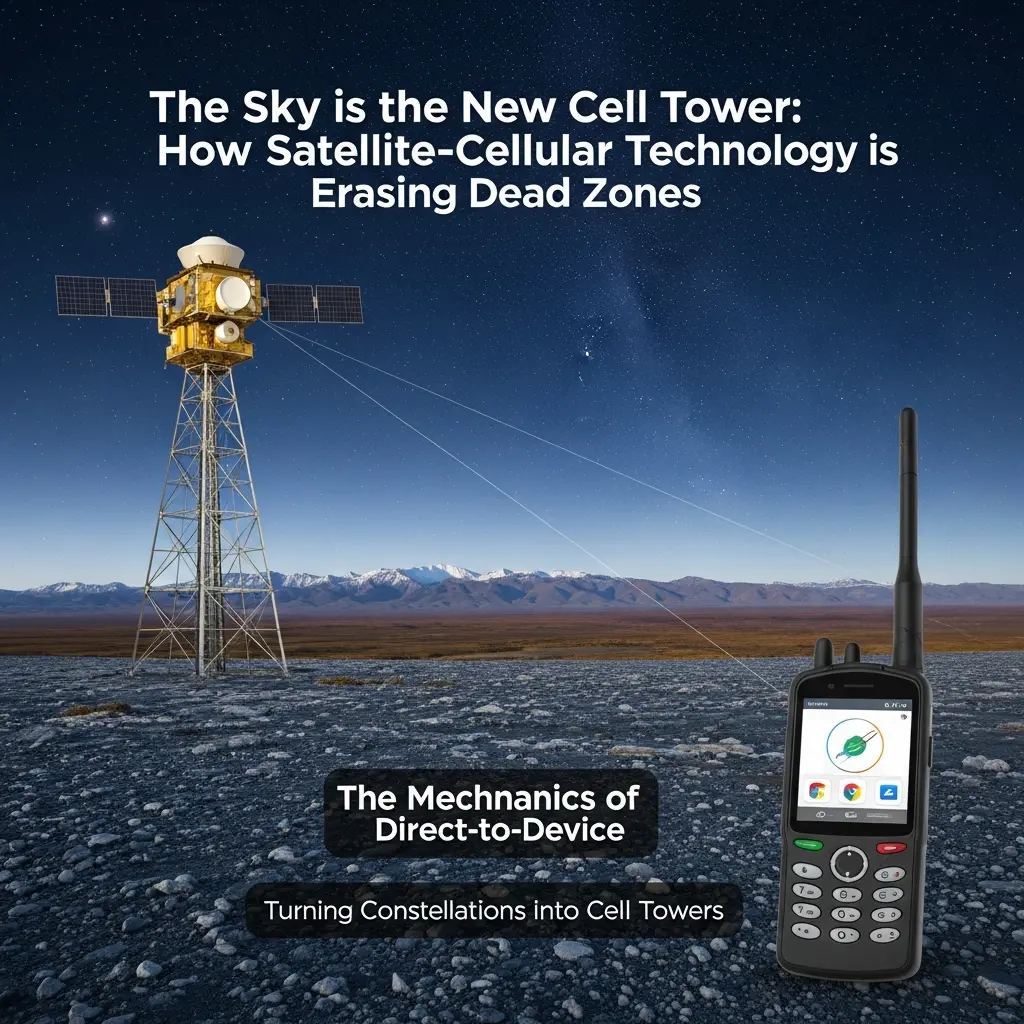
    A smartphone pointing towards a starry sky connecting to a non-terrestrial satellite network

    Looking to the Future: A Connected Planet

    The Psychological Impact of Universal Connectivity

    As we stand on the brink of this new era in telecommunications technology, it is worth reflecting on what universal connectivity truly means for humanity. The erasure of dead zones provides more than just logistical convenience; it offers a profound sense of psychological safety. The knowledge that you are never truly isolated, that a lifeline, a loved one, or emergency assistance is always just a signal away, changes the way we interact with the natural world. It empowers us to explore further, work more remotely, and live more boldly, secure in the knowledge that the sky above is watching over us, keeping us tethered to the global community.

    The evolution from terrestrial boundaries to limitless non-terrestrial networks is a testament to human ingenuity. It reminds us that when we collaborate and push the boundaries of physics and engineering, we can build a world where no one is left in the dark. As telecommunications gadgets continue to evolve, they will serve not just as tools of convenience, but as vital instruments of global unity.

    We are entering an incredibly exciting chapter in the story of human connection, and the conversation is just beginning. What are your thoughts on the future of satellite-to-cellular technology? How would ubiquitous coverage change the way you travel, work, or explore? We invite you to join our community of technology enthusiasts and forward-thinkers. Share your insights, ask questions, and help us shape the discussion around the innovations that are redefining our world. Together, let us stay connected, stay curious, and continue to look toward the sky.
  • Unlocking the Future: How 5G Advanced is Redefining Smart Cities and IoT Connectivity

    Unlocking the Future: How 5G Advanced is Redefining Smart Cities and IoT Connectivity

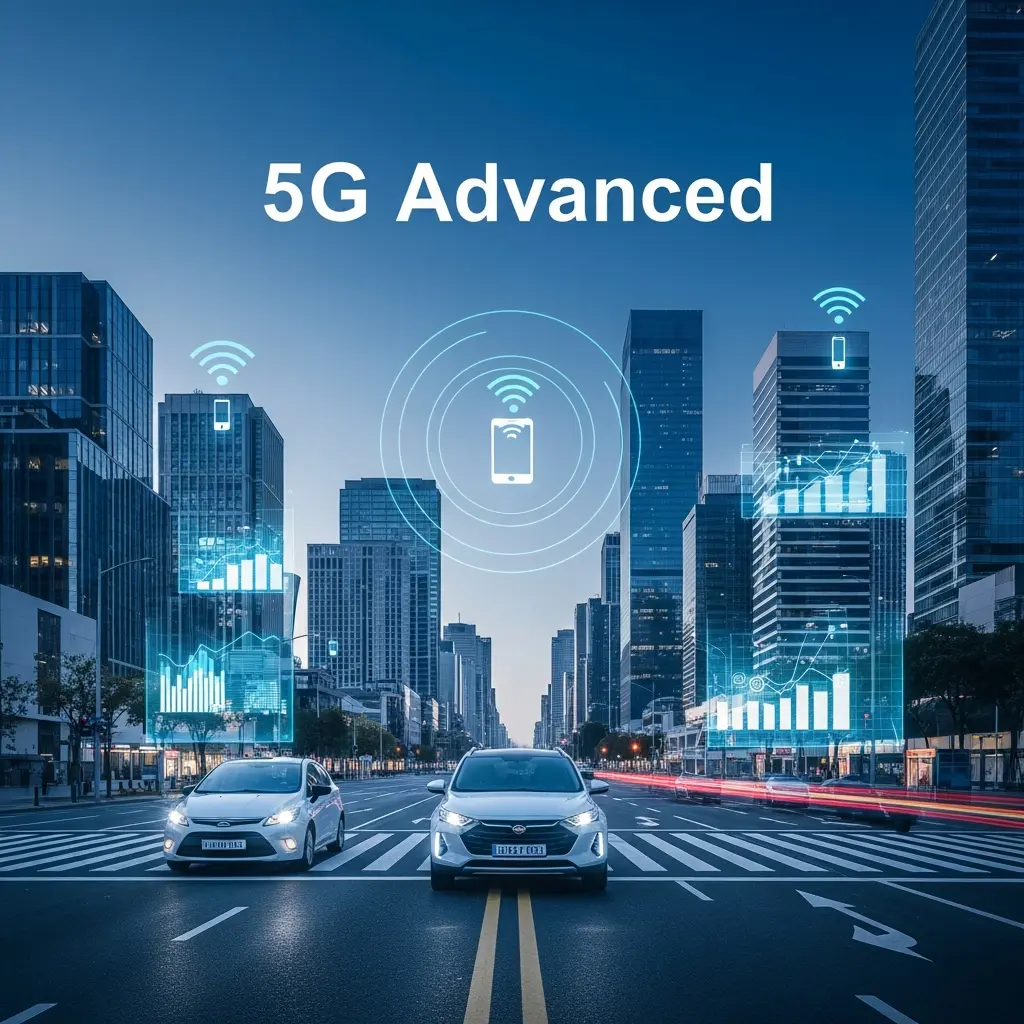
    Imagine walking through a city where traffic lights anticipate congestion before it happens and your wearable devices communicate flawlessly with emergency services in real time. This is no longer the plot of a science fiction novel, but the imminent reality brought to life by the latest telecommunications evolution. The dawn of 5G Advanced is quietly transforming our technological ecosystem, bridging the gap between human ambition and everyday connectivity.

    The Next Frontier: Understanding 5G Advanced

    For the past few years, the rollout of standard fifth-generation mobile networks has captured the attention of consumers and enterprise leaders alike. However, the telecommunications technology ecosystem is never static. We are now entering the era of 5G Advanced, commonly referred to as 5.5G. This is not merely an incremental software update, but a foundational upgrade that redefines the parameters of wireless connectivity, latency, and device density. While standard 5G introduced us to the possibilities of gigabit speeds and reduced lag, 5G Advanced serves as the critical bridge to the eventual realization of 6G, offering a massive improvement in network performance and introducing native artificial intelligence into the core network infrastructure.


    The implications for telecom gadgets and everyday devices are truly staggering. Historically, network architecture was designed primarily for human-to-human communication, focusing heavily on downlink speeds to support video streaming and web browsing. In stark contrast, 5G Advanced fundamentally redesigns the network to support seamless machine-to-machine interactions, drastically improving uplink capabilities. This shift is essential for edge technologies that require massive data uploads, such as autonomous vehicles, high-definition security cameras, and automated industrial robotic systems. By integrating sensing capabilities directly into the communication network, 5.5G allows the infrastructure itself to act as a sophisticated radar, detecting objects, measuring distances, and tracking movements without the need for redundant external sensor hardware.

    The Statistical Reality of Hyper-Connectivity

    To truly comprehend the monumental scale of this technological leap, we must look at the data driving the telecommunications sector forward. According to the GSMA Mobile Economy Report 2024, 5G connections are expected to represent 51 percent of total mobile connections globally by the year 2030, fundamentally shifting the global economic reliance toward hyper-fast wireless networks. This growth highlights the rapid adoption rate of advanced telecom infrastructure across both developed and emerging markets.

    Furthermore, the explosion of compatible endpoints is equally impressive. Research by Gartner indicates that the number of connected IoT devices will exceed 29 billion by the end of 2030. This massive proliferation is heavily dependent on the widespread deployment of 5G Advanced, which uniquely provides the necessary bandwidth, reliability, and deterministic latency to orchestrate billions of simultaneous data streams without suffering from network degradation. These statistics are not just numbers on a page; they serve as the architectural blueprints of our digitally connected future.

    Revolutionizing Telecom Gadgets and the IoT Landscape

    When discussing the telecommunications technology ecosystem, it is impossible to ignore the physical devices that serve as the vital endpoints of these networks. Modern telecom gadgets are rapidly evolving from passive receivers into intelligent, edge-computing nodes. One of the most significant breakthroughs facilitated by 5G Advanced is the widespread adoption of RedCap, or Reduced Capability, devices. RedCap technology is designed specifically for IoT gadgets that do not require the ultra-high gigabit speeds of premium smartphones but still demand the absolute low latency and flawless reliability of a robust 5G network.

    By streamlining the internal hardware requirements, RedCap significantly reduces the cost and power consumption of essential telecom gadgets, allowing them to operate remotely on battery power for years rather than days. This is an absolute game-changer for the Internet of Things. Imagine vast agricultural fields monitored continuously by thousands of miniaturized soil sensors, or expansive global logistics networks where every individual package is tracked with pinpoint precision in real-time. The miniaturization and energy efficiency of these gadgets, powered by 5.5G, mean that pervasive, uninterrupted connectivity is finally economically viable.

    Moreover, modern Customer Premises Equipment (CPE) is undergoing a radical transformation. Advanced 5.5G CPE routers are functioning as the digital central nervous system for both modern homes and enterprise businesses. These innovative telecom gadgets no longer simply distribute basic Wi-Fi; they utilize integrated AI to dynamically allocate bandwidth, prioritize mission-critical applications, and seamlessly transition between frequency bands to ensure a flawless user experience.

    Building the Resilient Smart Cities of Tomorrow

    The ultimate potential of modern telecommunications culminates in the realization of the smart city. Urban environments are incredibly complex, highly chaotic, and notoriously resource-intensive. By overlaying a resilient, high-capacity 5G Advanced network across a sprawling metropolis, municipal planners can transition from reactive crisis management to proactive urban orchestration. A functioning smart city relies entirely on a continuous, encrypted dialogue between public infrastructure, autonomous vehicles, private citizens, and the surrounding environment.

    Consider urban traffic management, a universal pain point for municipalities globally. Traditional traffic systems operate on fixed timers or rudimentary localized sensors that cannot adapt to sudden changes. With the power of 5G Advanced, forward-thinking cities are deploying interconnected telecom gadgets at major intersections that communicate directly with approaching vehicles through Cellular Vehicle-to-Everything (C-V2X) technology. The central municipal network constantly analyzes real-time data from thousands of connected vehicles, pedestrian smartphones, and public transit systems to dynamically adjust traffic light phases, effectively eliminating phantom traffic jams and drastically reducing harmful carbon emissions from idling engines.

    Public safety and emergency response are also being deeply revolutionized by this connectivity. First responders equipped with augmented reality (AR) headsets—acting as advanced, high-bandwidth telecom gadgets—can instantly receive real-time structural blueprints of burning buildings, monitor the vital signs of individuals trapped inside, and stream live drone reconnaissance feeds directly to their visors. Because 5.5G provides guaranteed deterministic latency, these critical, life-saving applications can function flawlessly in the most challenging and unpredictable urban environments.

    Actionable Strategies for Navigating the Telecom Evolution

    As we aggressively transition into this new hyper-connected era, enterprise organizations, urban planners, and everyday technology enthusiasts must proactively adapt to maximize the boundless benefits of the evolving telecommunications technology ecosystem. Embracing this future requires intentional preparation. Here are essential, practical steps to seamlessly integrate these advancements into your daily operational framework:

    • Conduct a Comprehensive Infrastructure Audit: Before deploying an array of new IoT sensors or telecom gadgets, thoroughly evaluate your existing core routing and switching hardware. Ensure your local infrastructure supports robust edge-computing capabilities and is fully compatible with forthcoming 5.5G networking standards, preventing unexpected bottlenecks that could stifle performance.
    • Embrace RedCap Technology for IoT Deployments: When systematically scaling your Internet of Things initiatives, actively source specialized devices that utilize Reduced Capability (RedCap) networking modules. This specific approach will empower you to maintain highly reliable, low-latency connections for remote sensors while dramatically lowering your initial hardware procurement costs and extending the operational battery life of your fleet.
    • Implement Zero-Trust Security Architectures: As the total number of wirelessly connected devices multiplies exponentially, so does the potential digital attack surface. Move swiftly away from traditional perimeter-based defenses and confidently adopt end-to-end encryption combined with strict zero-trust protocols. Ensure every single telecom gadget, regardless of its physical size or primary function, is continuously authenticated before it is ever granted access to the broader municipal or corporate network.

    Sustainability: The Green Telecom Imperative

    While the industry focus is frequently placed on download speeds and global connectivity, the environmental impact of scaling physical telecommunications infrastructure simply cannot be ignored. The modern tech industry is acutely aware that supporting billions of new telecom gadgets requires a massive amount of baseline energy. Fortunately, environmental sustainability is a foundational design pillar of 5G Advanced. The absolute latest generation of cellular base stations and transmission antennas naturally incorporate advanced machine learning algorithms designed to autonomously optimize overall power usage based entirely on real-time traffic demand.

    During extended periods of low network activity, such as late at night, these highly intelligent systems automatically transition into advanced deep sleep modes. They selectively shut down unnecessary radio transmitters while simultaneously maintaining just enough baseline capacity to serve any active users in the immediate area. Furthermore, incredible advancements in passive IoT—where specialized devices operate indefinitely without a built-in power source by harvesting ambient radio frequency energy from the air—are significantly reducing the global need for toxic lithium-ion batteries across billions of disposable sensors. This steadfast commitment to green telecom practices rigorously ensures that our ambitious pursuit of a seamlessly connected world does not come at the devastating expense of our planet’s ecological health.

    A Vision of Connectivity: Looking Ahead

    We are firmly standing at the threshold of a profound technological renaissance, an era where the traditional boundaries between the digital and physical worlds are rapidly becoming indistinguishable. The continued evolution of the telecommunications technology ecosystem, enthusiastically spearheaded by 5G Advanced, is not merely about achieving faster smartphone downloads; it is fundamentally about empowering humanity with the exact tools necessary to solve incredibly complex global challenges. From engineering sustainable, highly intelligent smart cities to successfully democratizing widespread access to life-saving edge computing technologies, the very gadgets and networks we are building today will undeniably define the shared prosperity of tomorrow.

    Let this exciting new era of unprecedented digital connectivity serve as a powerful reminder of our vast collective potential when bold innovation seamlessly aligns with a noble purpose. As we continue to eagerly explore, meticulously refine, and widely implement these transformative digital tools, your unique voice, perspective, and hands-on experience remain absolutely invaluable. We warmly invite you to join our rapidly growing community of passionate forward-thinkers. Share your personal insights, ask challenging questions, and collaborate closely with us as we confidently navigate the truly extraordinary future of telecommunications together.

  • Unlocking the Future: How 5G Advanced is Redefining Telecommunications and Smart Connectivity

    Unlocking the Future: How 5G Advanced is Redefining Telecommunications and Smart Connectivity

    Imagine a world where your devices communicate with zero lag, autonomous vehicles navigate bustling streets flawlessly, and entire cities manage their energy grids in real-time. This is no longer science fiction, but the imminent reality brought forth by the latest evolution in telecommunications technology. Welcome to the era of 5G Advanced, the bridge to tomorrow’s hyper-connected ecosystem.


    The Dawn of 5G Advanced in Telecommunications


    As the digital landscape continuously shifts, the telecommunications industry is already looking beyond the initial rollouts of 5G networks. Enter 5G Advanced, often referred to as 5.5G. This new standard is not merely a supplementary update; it is a profound architectural enhancement that promises to redefine how consumers and industries interact with digital networks. While standard 5G introduced us to faster download speeds and lower latency, 5G Advanced is engineered to integrate artificial intelligence and machine learning natively into the core of the network. This intelligence allows the network to predict traffic patterns, self-optimize bandwidth allocation, and drastically reduce power consumption during off-peak hours.


    The implications for telecommunications technology are staggering. For years, the industry has focused heavily on human-to-human or human-to-machine connectivity. Now, the paradigm is shifting toward massive machine-type communications (mMTC). This means the infrastructure is finally capable of handling millions of simultaneous connections within a single square kilometer without dropping a single packet of data. Whether it is an array of sensors in a smart factory or a fleet of delivery drones communicating in real-time, 5.5G acts as the invisible, ultra-reliable nervous system of the modern world.

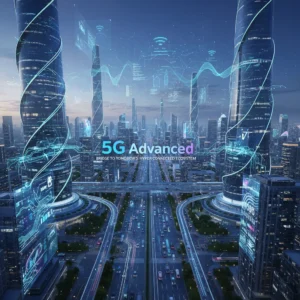
    Futuristic telecommunications network and smart city

    By the Numbers: The Trajectory of Hyper-Connectivity


    To truly grasp the magnitude of this technological leap, we must look at the data driving the investments and infrastructural upgrades worldwide. The adoption rates of advanced cellular networks are outpacing all previous generations of mobile technology.


    According to a 2023 report by GSMA Intelligence, 5G connections are expected to reach 2 billion globally by the end of 2025, laying the vital groundwork and consumer readiness for 5G Advanced deployments. This massive user base provides the economic incentive for telecom operators to upgrade their cell towers and core networks to the 5.5G standard.


    Furthermore, research from Ericsson in their widely cited Mobility Report highlights that IoT (Internet of Things) connections will top 34 billion by 2028. This exponential growth is largely driven by the enhanced capabilities of 5.5G networks, which provide the ultra-reliable low-latency communication required for mission-critical IoT deployments across various industrial sectors.


    Revolutionizing Telecom Gadgets and Consumer Technology


    Extended Reality (XR) and Spatial Computing


    One of the most exciting aspects of 5G Advanced is its direct impact on consumer telecom gadgets. For a long time, virtual reality, augmented reality, and mixed reality—collectively known as extended reality (XR)—have been hindered by bulky hardware and tethered connections. Because processing heavy graphical data required significant local computing power, headsets remained large and battery life was notoriously short. 5.5G changes this dynamic by enabling split rendering. This telecommunications technology allows the heavy computational lifting to be processed in edge cloud servers, while the headset merely receives the final rendered images in milliseconds.


    The result is a new generation of XR glasses that are indistinguishable from regular eyewear. These gadgets will rely on the 10 Gbps downlink speeds and sub-millisecond latency of 5G Advanced to overlay high-definition digital information onto the physical world flawlessly. From immersive remote learning experiences to highly interactive virtual workspaces, spatial computing will finally break free from the constraints of local hardware limitations.


    Next-Generation Smart Home Routers and CPEs


    Customer Premises Equipment (CPE) and smart home routers are also undergoing a massive transformation. As 5G Advanced rolls out, we will see the rise of fixed wireless access solutions that easily rival, and often surpass, traditional fiber-optic broadband. A 5.5G-enabled CPE gadget will pull multi-gigabit speeds from the cellular network and distribute them throughout the home using the latest Wi-Fi 7 standards. This synergy between advanced cellular and local wireless technologies ensures that every smart TV, gaming console, and connected device in the household enjoys a flawless, un-throttled connection, effectively democratizing high-speed internet access in areas where laying physical fiber cables is economically unviable.


    Transforming Smart Cities and the Internet of Things (IoT)


    Intelligent Traffic and Autonomous Transit


    The vision of the smart city has long been a holy grail for urban planners and technologists alike. However, previous network iterations lacked the sheer capacity and reliability to make fully autonomous urban ecosystems a reality. With 5G Advanced, telecommunications technology finally meets the rigorous demands of smart city infrastructure. Consider the concept of vehicle-to-everything (V2X) communication. Autonomous vehicles require constant streams of data from traffic lights, pedestrian crosswalks, and other vehicles to make split-second driving decisions. 5.5G networks ensure that these critical data packets are prioritized and delivered without fail, drastically reducing traffic accidents and optimizing traffic flows to eliminate congestion.


    Passive IoT and Sustainable Networks


    Perhaps one of the most groundbreaking innovations introduced by 5G Advanced is the support for passive IoT. Unlike traditional IoT gadgets that require batteries or a direct power source to transmit data, passive IoT devices harvest ambient energy from the surrounding cellular radio waves. This capability is revolutionary for industries such as logistics, retail, and agriculture.


    Imagine a smart city where millions of sensors monitor structural integrity on bridges, track inventory in warehouses, and measure soil moisture in public parks—all without ever needing a battery replacement. By eliminating the environmental and financial cost of manufacturing and disposing of billions of small batteries, telecommunications technology is taking a massive stride toward a greener, more sustainable future.


    Practical Tips for Adapting to the 5G Advanced Era


    As this new wave of connectivity approaches, both consumers and businesses must prepare their technological ecosystems to take full advantage of the upcoming capabilities. Embracing the future of telecom requires proactive steps today. Here are some actionable strategies to ensure you are ready for the 5.5G revolution:


      • Audit Your Device Ecosystem: Evaluate your current telecommunications gadgets, including smartphones, routers, and wearables, to determine if they support upcoming firmware updates for advanced 5G networks, or if hardware upgrades will be necessary in the next upgrade cycle.


      • Invest in Wi-Fi 7 Infrastructure: To maximize the benefits of 5G Advanced Fixed Wireless Access in your home or office, consider upgrading your local network to Wi-Fi 7. These new routers are specifically designed to seamlessly bridge incoming multi-gigabit cellular speeds to your local area network without creating bottlenecks.


    • Prioritize IoT Cybersecurity: As the number of connected devices in your smart home or business grows, so does your potential attack surface. Proactively secure all telecom gadgets by changing default manufacturer passwords, enabling multi-factor authentication, and segmenting your IoT devices onto a separate guest network.


    The Role of Artificial Intelligence in Network Management


    It is impossible to discuss the future of telecommunications technology without highlighting the symbiotic relationship between 5G Advanced and Artificial Intelligence (AI). In legacy networks, human engineers were largely responsible for monitoring network health, identifying faults, and rerouting traffic during localized outages. This reactive approach is no longer sufficient for a network that supports critical infrastructure, remote robotic surgery, and autonomous transportation.


    5.5G networks are inherently intent-driven. Operators can simply define a specific goal—such as maintaining a minimum latency threshold for a hospital’s network slice—and the AI core will autonomously adjust radio frequencies, allocate edge computing resources, and optimize the data path to ensure the goal is met. This autonomous, self-healing network architecture significantly reduces downtime and operational costs. Furthermore, it allows telecom companies to offer highly customized Service Level Agreements to enterprise clients, ensuring that every industry gets exactly the network performance it requires.

    A Sustainable Approach to Global Connectivity


    As global data consumption continues to skyrocket, the environmental impact of powering immense telecommunications networks has become a pressing concern. Fortunately, 5G Advanced is built with sustainability as a core design principle. While it offers up to ten times the capacity of early 5G networks, it does so with significantly greater energy efficiency per gigabyte of data transmitted. Advanced sleep modes allow cell towers to power down components dynamically during milliseconds of inactivity, drastically reducing the overall carbon footprint of the network.


    This commitment to green telecommunications ensures that as we connect more gadgets and build smarter cities, we are not simultaneously degrading the planet. The technology industry is finally aligning its ambitious goals for hyper-connectivity with the urgent necessity of environmental stewardship.


    Looking Ahead: The Human Element of Hyper-Connectivity


    Ultimately, the evolution of telecommunications technology is about much more than raw speed, bandwidth, and impressive technical specifications. It is about empowering human potential. 5G Advanced represents a fundamental shift in our relationship with the digital realm. By removing the friction of latency and the limitations of local computing power, we are freeing ourselves to focus on creativity, innovation, and meaningful human connection.


    The tools and gadgets of tomorrow will no longer be active distractions; instead, they will fade into the background, silently and intelligently anticipating our needs. Whether it is through immersive educational experiences that transport students to ancient civilizations, or smart agricultural systems that ensure food security for a growing global population, the ripple effects of this connectivity will touch every aspect of our lives.


    As we stand on the threshold of this exciting new era in telecommunications, it is crucial to stay informed, adaptable, and open to the possibilities. We invite you to join our growing community of tech enthusiasts, innovators, and forward-thinkers. Share your thoughts in the comments below, join the conversation on our social forums, and together, let us explore the boundless opportunities that await in the hyper-connected world of tomorrow.

  • Taylor Prop (Customer spotlight)

    Taylor Prop (Customer spotlight)

    Taylor Properties: Supporting Clients Through Every Step of the Real Estate Journey

    The real estate market can be one of the most complex and important decisions people make in their lives. Whether buying a first home, selling a property, or investing in real estate, having knowledgeable professionals guiding the process can make all the difference.

    That’s where Taylor Properties stands out.

    With decades of experience in the real estate industry, Taylor Properties has built a reputation for helping clients successfully navigate the process of buying and selling residential and commercial properties. Their team focuses on providing the information and support clients need to make confident decisions in an ever-changing real estate market.

    A Focus on Information and Guidance

    Real estate transactions involve many moving parts—from market analysis and property searches to negotiations and closing processes. Taylor Properties emphasizes the importance of accurate market information and personalized guidance to help clients understand their options.

    By providing access to property listings, local market insights, and professional advice, the company helps buyers and sellers stay informed throughout the entire process.

    Serving Clients Across Multiple Markets

    Taylor Properties operates across several markets including Maryland, Virginia, Washington D.C., Pennsylvania, and Delaware, offering services that support both buyers and sellers throughout the region.

    Their services include:

    • Property buying and selling support
    • Market insights and property listings
    • Home value estimation tools
    • Guidance for real estate investments
    • Professional support throughout the transaction process

    This broad reach allows Taylor Properties to connect clients with opportunities across multiple communities.

    A Modern Approach to Real Estate

    Real estate is evolving quickly, and successful companies are those that combine industry expertise with modern technology and tools.

    Taylor Properties continues to grow by providing agents and clients with access to technology, market data, and support systems that help streamline the real estate experience.

    Their approach reflects a broader shift in the industry—one where technology and information empower both professionals and customers to make better decisions.

    Building Relationships Through Trust

    At the heart of Taylor Properties is a commitment to service. Buying or selling a home is a significant milestone, and the company understands the importance of trust and transparency throughout the process.

    By focusing on communication, expertise, and client relationships, Taylor Properties continues to support individuals and families as they navigate one of the most important financial decisions they will ever make.

  • The Global Shift Toward Cloud Infrastructure

    The Global Shift Toward Cloud Infrastructure

    Why Businesses Around the World Are Moving to the Cloud

    Over the past decade, the way businesses manage technology has changed dramatically. What once required physical servers, dedicated IT rooms, and expensive maintenance contracts can now be handled through cloud infrastructure.

    Today, companies across the globe are shifting toward cloud platforms to power everything from file storage and communication systems to accounting software and customer relationship management tools.

    For many organizations, the cloud has become the backbone of their digital operations.

    What Cloud Infrastructure Really Means

    Cloud infrastructure refers to technology services that run on remote servers rather than on computers or hardware located inside a company’s office.

    Instead of maintaining their own equipment, businesses access these systems through the internet.

    Major providers such as:

    • Amazon Web Services (AWS)
    • Microsoft Azure
    • Google Cloud Platform

    offer scalable computing resources that businesses can use on demand.

    This means companies can run applications, store data, host websites, and manage workloads without purchasing or maintaining physical servers.

    Why Businesses Are Moving Away from On-Premise Systems

    Traditional on-premise infrastructure has several limitations.

    Companies must purchase hardware, maintain equipment, install updates, manage backups, and plan for future capacity.

    This often requires dedicated IT staff and ongoing operational costs.

    Cloud infrastructure changes that model.

    Instead of investing heavily in hardware, businesses can pay only for the resources they use while the cloud provider manages the underlying infrastructure.

    This allows companies to scale up or down depending on their needs.

    Flexibility and Remote Access

    One of the biggest advantages of cloud infrastructure is accessibility.

    Employees can securely access business systems from anywhere with an internet connection.

    This has become especially important as remote and hybrid work models continue to grow.

    Cloud-based systems allow teams to collaborate, access documents, and run applications whether they are working from the office, home, or on the road.

    For small businesses, this flexibility can significantly improve productivity and operational resilience.

    Built-In Security and Reliability

    Modern cloud platforms also provide strong security features.

    Leading providers invest heavily in cybersecurity, data protection, and redundancy systems to protect customer data.

    Many cloud services include:

    • encrypted data storage
    • automated backups
    • disaster recovery systems
    • multi-factor authentication
    • access control management

    For small businesses that may not have dedicated cybersecurity teams, these built-in protections can provide a higher level of security than traditional in-house systems.

    Supporting Business Growth

    Another reason cloud adoption is growing globally is scalability.

    As a business expands, its technology needs increase.

    Cloud infrastructure allows companies to quickly add storage, computing power, or additional services without purchasing new hardware.

    This allows small businesses to grow without constantly redesigning their IT infrastructure.

    Instead of planning years ahead for capacity, businesses can adjust resources as their needs evolve.

    The Future of Business Technology

    The global shift toward cloud infrastructure is not just a technology trend—it’s a transformation in how businesses operate.

    Cloud platforms allow companies to move faster, collaborate more effectively, and adapt to changing market conditions.

    For small businesses in particular, the cloud levels the playing field by giving them access to powerful tools that were once only available to large enterprises.

    As digital transformation continues, businesses that embrace cloud infrastructure will be better positioned to operate efficiently, protect their data, and scale for future growth.

  • NVIDIA’s AI-Native 6G Revolution: Telecom Titans Unite for the Next Wireless Era

    NVIDIA’s AI-Native 6G Revolution: Telecom Titans Unite for the Next Wireless Era

    NVIDIA is spearheading the development of AI-native 6G networks, promising unprecedented connectivity and performance while incorporating physical AI solutions. NVIDIA’s vision extends beyond speed enhancements, aiming for intelligent, adaptable networks supporting AI-driven applications and autonomous systems. By forging strategic alliances, NVIDIA is laying the foundation for a future where 6G becomes the backbone of an increasingly interconnected world.

    Partnership Ecosystem

    Strategic Alliances with Telecom Leaders

    NVIDIA’s strategy for realizing its vision of AI-native 6G hinges on strong collaborations with industry leaders in the telecom sector. These partnerships are crucial for integrating NVIDIA’s AI platform into existing and future wireless network infrastructure. The alliances aim to accelerate the path to 6G by combining NVIDIA’s expertise in AI and compute with the extensive network infrastructure and market reach of global telecom leaders. These collaborations will facilitate the development of open and trusted 6G networks capable of handling the demands of the AI era. This focus on collaborative development, supported by a global coalition of industry leaders, is vital for ensuring that 6G networks are both innovative and secure, paving the way for the next generation of wireless technology.

    Collaborations with Tech and Research Partners

    Beyond telecom leaders, NVIDIA is also actively engaging with technology and research partners to advance AI-native 6G. These collaborations extend to companies like Booz Allen and research institutions such as MITRE, which bring unique expertise in areas like system integration, security, and advanced research. This diverse ecosystem of partners enables NVIDIA to leverage a broad range of skills and perspectives, fostering innovation in AI-RAN architecture and integrated sensing and communications. By working closely with these partners, NVIDIA aims to develop an all-American AI-RAN stack to accelerate the path to 6G, ensuring that the next generation of wireless technology is built on open and secure platforms.

    Building on 2025 GTC Announcements

    The 2025 GTC announcements laid the groundwork for NVIDIA’s involvement in the future of wireless networks, showcasing the company’s commitment to advancing AI-native wireless networks. These earlier announcements highlighted the potential of NVIDIA AI to transform telecom networks into AI infrastructure everywhere, paving the way for more intelligent and efficient 6G wireless technology. The focus is on advancing AI-native platforms that can support the demands of autonomous devices and emerging applications in the next generation of wireless networks. By building on these foundations, NVIDIA is solidifying its position as a key player in shaping the future of 6G innovation.

    Engineer working on a building site The telephone and internet network signal systems of the construction building are being inspected.

    AI-RAN and Technical Core

    NVIDIA’s AI Aerial Toolkit Explained

    The NVIDIA AI Aerial toolkit represents a pivotal component in the journey towards AI-native 6G networks. This toolkit provides a robust platform for developing software-defined Radio Access Networks (AI-RAN), which are essential for realizing the full potential of the stack for 6G. The AI Aerial toolkit is designed to enable developers and researchers to build and test advanced wireless solutions, facilitating innovation in areas such as dynamic spectrum sharing and integrated sensing and communications. By offering a comprehensive set of tools and resources, NVIDIA is empowering the wireless industry to accelerate the development and deployment of AI-native wireless technology. This initiative underscores NVIDIA’s commitment to fostering a collaborative ecosystem and driving the evolution of telecom infrastructure.

    Software-Defined RANs and Dynamic Spectrum Sharing

    Software-defined Radio Access Networks (AI-RAN) are crucial for unlocking the capabilities of 6G networks, offering a flexible and adaptable approach to wireless communication. Dynamic spectrum sharing, enabled by AI-RAN, allows for more efficient use of available radio frequencies, optimizing network performance and increasing capacity. With NVIDIA AI, AI-RAN can intelligently allocate spectrum resources based on real-time demand, ensuring that network resources are used efficiently. This level of dynamic optimization is essential for supporting the diverse and demanding applications anticipated in the 6G era, including autonomous systems and advanced AI services. By enabling dynamic spectrum sharing, software-defined AI-RAN is set to revolutionize wireless communication and unlock new possibilities for connectivity.

    Comparing 5G Limitations to 6G Advancements

    While 5G represents a significant advancement over previous generations of wireless technology, 5G Advanced aims to overcome the limitations that 6G will address. 5G networks often struggle with providing consistent and reliable connectivity in densely populated areas and supporting the massive number of devices expected in future events. 6G, with the help of NVIDIA AI and its AI-RAN architecture, promises to address these limitations by offering increased capacity, lower latency, and greater energy efficiency. The shift towards AI-native wireless networks will also enable more sophisticated network management and optimization, ensuring that 6G networks can adapt to changing demands and deliver a superior user experience. By surpassing the constraints of 5G, 6G is poised to revolutionize industries and enable new possibilities for connectivity.

    Goals and Transformative Impact

    Targets for Extreme Spectral Efficiency

    One of the primary goals of 6G networks is to achieve extreme spectral efficiency, maximizing the amount of data that can be transmitted over a given frequency band. NVIDIA is playing a crucial role in this endeavor by leveraging its AI platform to develop advanced signal processing algorithms and radio access technologies that can optimize spectrum utilization. This involves using AI to intelligently manage radio resources, adapt to changing network conditions, and minimize interference, ultimately leading to a more efficient and reliable wireless network in the context of future events. Through its AI-RAN architecture, NVIDIA is enabling telecom industry leaders, including T-Mobile, to push the boundaries of spectral efficiency and unlock the full potential of 6G. The aim is to create AI-native wireless networks that can support a wide range of applications while minimizing the consumption of valuable spectrum resources.

    AI Applications in Autonomous Technologies

    AI is set to revolutionize autonomous technologies, and 6G networks will provide the necessary infrastructure to support these advancements. NVIDIA’s AI-RAN architecture is designed to enable low-latency, high-bandwidth connectivity for autonomous systems, allowing them to operate safely and efficiently. This includes applications such as self-driving cars, drones, and industrial robots, which require real-time data processing and communication to function effectively. By integrating AI into every aspect of the wireless network, NVIDIA is creating an AI-native wireless platform that can support the demands of autonomous devices and enable new possibilities for transportation, logistics, and manufacturing. With NVIDIA AI, 6G networks can become the backbone of an autonomous future, driving innovation and transforming industries.

    Enhancing Telco Revenue Streams through Optimization

    6G networks present significant opportunities for enhancing telco revenue streams through optimization and the development of AI-native networks. By leveraging NVIDIA AI to optimize network performance and resource allocation, telecom leaders can deliver enhanced services and create new revenue streams. This includes offering customized network slices for different applications, providing guaranteed quality of service for critical services, and enabling new business models based on AI-driven analytics and automation. Furthermore, AI can be used to predict and prevent network outages, reducing downtime and improving customer satisfaction. By partnering with NVIDIA, telecom companies can transform their wireless networks into intelligent platforms that drive innovation and unlock new revenue opportunities in the AI era. These revenue opportunities extend to infrastructure providers including Booz Allen.

    Challenges and Future Outlook

    Open-Sourcing Tensions with Industry Leaders

    The development of 6G wireless technology is not without its challenges, one of which is the tension surrounding open-sourcing initiatives. While NVIDIA advocates for open and trusted 6G networks, some industry leaders, such as Ericsson and Nokia, may have reservations about fully embracing open-source solutions. These companies have invested heavily in proprietary technologies and may be hesitant to share their intellectual property. Addressing these tensions requires finding a balance between open collaboration and protecting proprietary interests, which networks must navigate to thrive in the evolving landscape. The ultimate goal is to build 6G on open and secure platforms, ensuring that the benefits of this technology are widely accessible while also incentivizing innovation and investment. NVIDIA’s role is to facilitate dialogue and collaboration to overcome these challenges and foster a more open and inclusive ecosystem for 6G development. The path to 6G depends on overcoming these obstacles, which networks must address to ensure seamless connectivity.

    Standardization Timelines and Expectations for 6G

    Standardization is a crucial aspect of 6G development, ensuring that networks are interoperable and can support a wide range of devices and applications. However, the standardization process can be lengthy and complex, involving numerous stakeholders and competing interests. While some anticipate early deployments of 6G technology around 2026, most experts believe that widespread adoption will not occur until after 2030. This timeline is influenced by factors such as the pace of technological innovation, the availability of funding, and the resolution of regulatory and policy issues. Despite these challenges, the wireless industry is committed to advancing the development of 6G and working towards a common set of standards that will enable the full potential of this technology. NVIDIA is playing a key role in this process by contributing its expertise in AI and compute to the development of 6G standards.

    Visions for AI-Driven Connectivity in Various Industries

    The future of connectivity is inextricably linked to AI, with AI-driven wireless technology poised to transform industries and reshape the way we live and work. From autonomous vehicles to smart cities to remote healthcare, AI-native wireless networks will enable a wide range of new applications and services. NVIDIA’s vision for 6G extends beyond mere connectivity, aiming to create intelligent infrastructure that can adapt to changing demands and optimize performance in real-time. This involves leveraging AI to manage network resources, predict and prevent outages, and provide personalized experiences for users. By partnering with industry leaders and fostering innovation in AI and wireless technology, NVIDIA is helping to build a future where connectivity is seamless, ubiquitous, and transformative. The company is enabling telecom networks to become AI infrastructure everywhere. With NVIDIA AI, 6G becomes the backbone of this connected future.


  • The Invisible Revolution: How eSIM Technology is Redefining Global Connectivity

    The Invisible Revolution: How eSIM Technology is Redefining Global Connectivity

    Imagine landing in a foreign country, turning off airplane mode, and instantly connecting to a local network without ever visiting a kiosk or fumbling with a tiny plastic card. This seamless experience is no longer a futuristic concept but a rapidly expanding reality driven by the evolution of the Subscriber Identity Module (SIM) into purely digital software. As physical barriers to communication dissolve, embedded SIM (eSIM) technology stands at the forefront of a telecommunications revolution that promises to make staying connected easier, greener, and more secure.

    The Evolution from Plastic to Digital

    For decades, the physical SIM card has been the gatekeeper of mobile identity. We watched it shrink from the size of a credit card to the mini, micro, and eventually the nano-SIM. However, the fundamental concept remained the same: a physical token was required to authenticate a user on a network. The eSIM, or embedded SIM, shatters this limitation by soldering the chip directly onto the device’s motherboard during manufacturing. This shift is not merely cosmetic; it represents a fundamental architectural change in how mobile devices communicate with network providers.

    This transition allows for Remote SIM Provisioning (RSP), which enables users to download carrier profiles over the air. Instead of inserting a piece of plastic, users scan a QR code or use a carrier’s app to install a data plan. This technology has profound implications for smartphone design, freeing up valuable internal space that manufacturers can use for larger batteries, better cooling systems, or additional sensors. Furthermore, it paves the way for a truly dust-proof and water-resistant device by eliminating one of the last remaining ingress points on the phone chassis.

    Global Adoption and Market Trends

    The adoption of eSIM technology is accelerating at an unprecedented rate, driven by consumer demand for flexibility and the aggressive push by major device manufacturers. The telecommunications industry is currently witnessing a ‘digital-first’ approach to connectivity, where the convenience of switching carriers instantly is becoming a standard consumer expectation rather than a luxury feature.

    Data supports this massive shift in the ecosystem. According to a comprehensive study by Juniper Research, the value of the global eSIM market is expected to skyrocket, with the number of eSIM-connected devices projected to reach 3.4 billion by 2025, rising from 1.2 billion in 2021. This statistic underscores the rapid integration of this technology beyond just smartphones, extending into tablets, smartwatches, and laptops.

    Furthermore, the industry body GSMA Intelligence has reported that by 2025, 60% of all smartphone unit sales will be eSIM-compatible. This suggests that within the next few years, the physical SIM slot may become a legacy feature, much like the headphone jack or the removable battery, eventually disappearing entirely from flagship devices.

    The Traveler’s Advantage: Breaking Down Borders

    While the technological underpinnings of eSIM are fascinating, the most tangible benefit for the average user lies in international travel. In the past, roaming charges were a significant source of anxiety for travelers, often resulting in exorbitant bills upon returning home. The alternative involves hunting for local SIM cards, dealing with language barriers, and temporarily losing access to one’s primary phone number.

    eSIM technology democratizes access to local data rates. Travelers can now browse marketplaces of global network providers, purchase a data plan for their destination before they even pack their bags, and activate it the moment they touch down. This capability allows for ‘Dual SIM Dual Standby’ functionality. A user can keep their primary number active for urgent calls and SMS text messages while routing all data traffic through a temporary, affordable local eSIM profile. This hybrid approach ensures that travelers remain reachable without incurring heavy costs.

    Security and the Internet of Things (IoT)

    Beyond convenience, security is a major pillar of the eSIM argument. A physical SIM card can be removed from a stolen phone, making it harder to track the device and allowing the thief to use the SIM in another phone to intercept authentication texts. An eSIM, however, cannot be physically removed. If a device is stolen, the profile remains embedded, making it significantly easier for network operators to track the device’s location and for owners to remotely disable connectivity, rendering the device less valuable to potential thieves.

    This security aspect extends to the burgeoning Internet of Things (IoT). As we connect everything from cars and utility meters to agricultural sensors and shipping containers, physically changing SIM cards in millions of devices is logistically impossible. eSIM allows for the remote management of these massive fleets of devices. An automotive manufacturer, for example, can switch the network provider for an entire fleet of vehicles with a software push, ensuring the best possible coverage and rates without a single mechanic touching a car.

    Practical Tips for Transitioning to eSIM

    As we move toward a cardless future, navigating the transition requires a bit of knowledge. Adopting this technology is straightforward, but maximizing its benefits requires understanding how to manage your digital profiles effectively. Here are three practical tips to help you get the most out of your eSIM-enabled device:

    • Verify Compatibility and Carrier Locks: Before purchasing an eSIM plan, ensure your device is not only eSIM-compatible but also carrier-unlocked. Many carriers lock phones purchased on payment plans to their network. Even if your phone has an eSIM chip, you cannot install a profile from a different provider until the device is fully unlocked. Check your settings or contact your current carrier to confirm your device’s status.
    • Label Your Data Plans Clearly: Most smartphones allow you to store multiple eSIM profiles (often 5 to 10), even though only one or two can be active at a time. When you add new profiles for travel or business, take a moment to label them custom names (e.g., ‘Japan Trip 2024’ or ‘Business Data’). This prevents confusion when switching between lines and ensures you don’t accidentally use your expensive home data plan while abroad.
    • Understand the ‘Remove’ vs. ‘Turn Off’ Function: A common mistake new users make is deleting an eSIM profile when they are done using it for the day. Once a profile is deleted, it often cannot be reinstalled without buying a new one or contacting customer support. Instead, simply toggle the switch to ‘Off’ in your cellular settings. Only delete the profile once you are certain you will never need that specific plan again.

    The Environmental Impact

    A frequently overlooked aspect of this technological shift is its environmental impact. The telecommunications industry produces billions of plastic SIM cards annually. These cards are accompanied by credit-card-sized plastic holders and paper packaging, creating a significant amount of waste that often ends up in landfills. By digitizing the SIM, we eliminate the need for this plastic manufacturing, shipping, and disposal cycle.

    While the reduction of plastic is a clear benefit, the reduction in logistics is equally important. Shipping physical cards to thousands of retail stores globally requires transportation fuel and logistics resources. eSIM profiles are delivered over the internet, carrying a carbon footprint that is infinitesimal compared to the physical supply chain. For the eco-conscious consumer, switching to eSIM is a small but meaningful step toward reducing electronic waste and supporting sustainable tech practices.

    Looking Ahead: The Integrated SIM (iSIM)

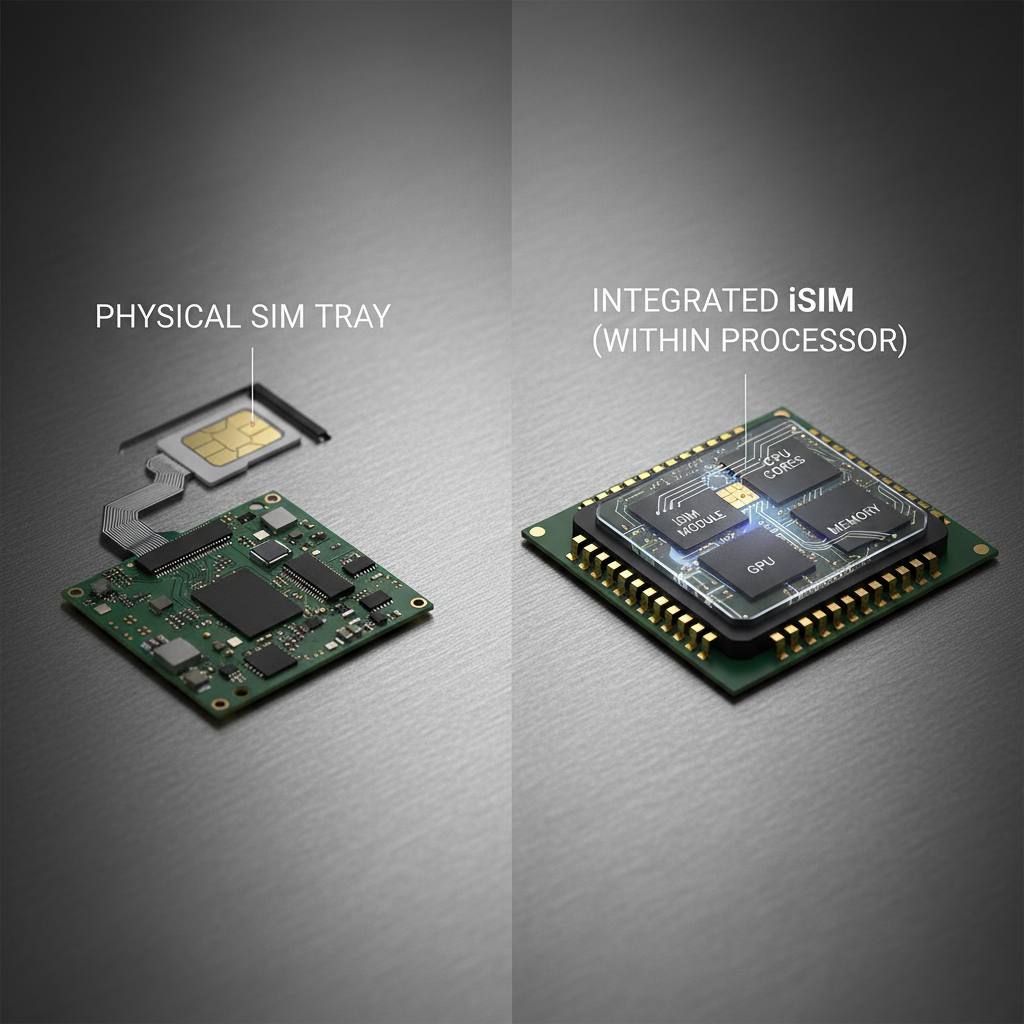
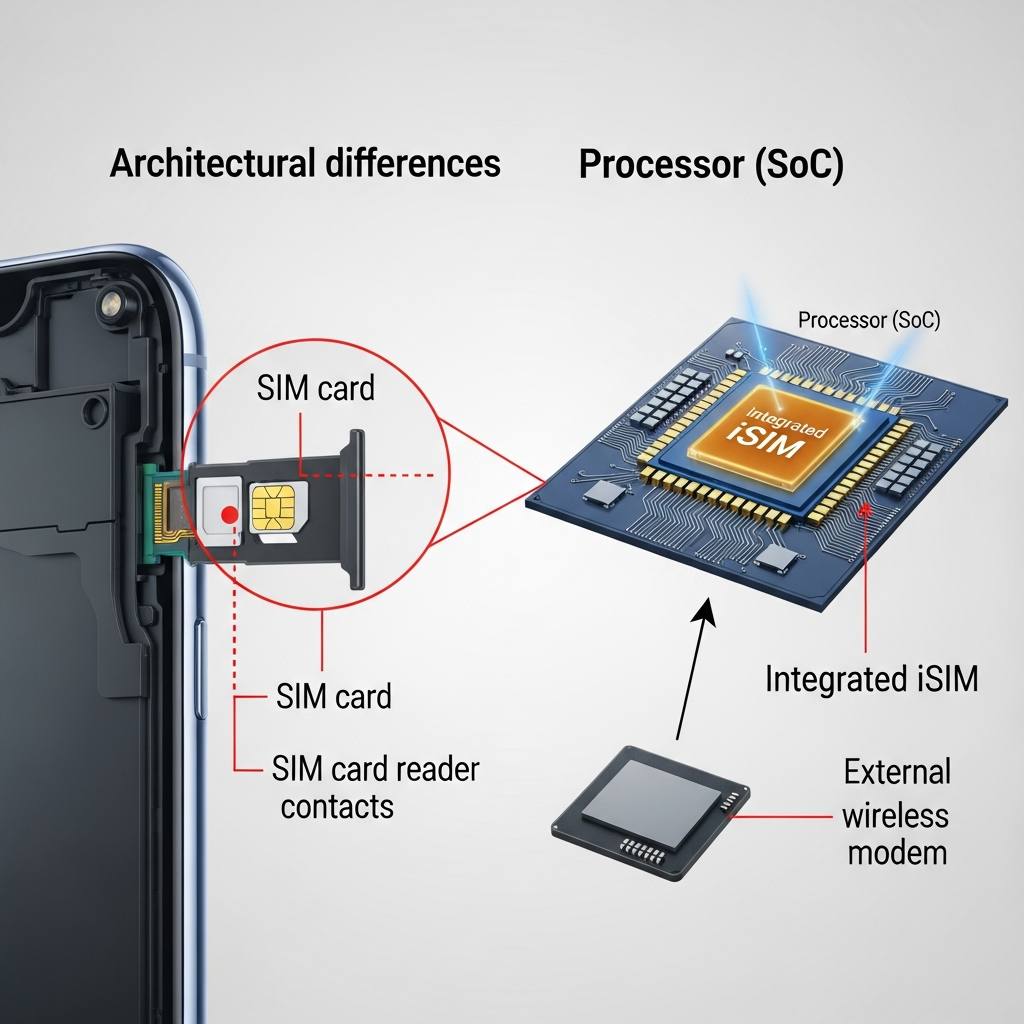
    Technology never stands still. Even as eSIM adoption grows, the industry is already looking toward the next evolution: the iSIM (Integrated SIM). While eSIM is a separate chip soldered to the board, iSIM moves the functionality directly into the device’s main processor (System on a Chip). This integration frees up even more space, consumes less power, and reduces manufacturing costs.

    This relentless drive toward integration and efficiency highlights the dynamic nature of the telecommunications sector. We are moving toward a world where connectivity is an intrinsic property of our devices, not an accessory we plug into them. The distinction between the hardware and the network is blurring, creating a more unified and seamless user experience.

    Conclusion

    The shift to eSIM technology is more than just a new feature on a spec sheet; it is a fundamental change in how we relate to our mobile devices and the global network. It offers freedom from physical constraints, enhanced security for our digital identities, and a more sustainable model for the industry. As the world becomes increasingly interconnected, the ability to switch networks as easily as we switch apps will become essential.

    We encourage you to embrace this shift. Next time you upgrade your device or plan a trip abroad, explore the digital possibilities of eSIM. It is a step toward a frictionless future where boundaries are digital, not physical. Join the community of forward-thinkers who are navigating the world lighter, smarter, and faster. The future of connectivity is here, and it is invisible.

  • The Invisible Revolution: How eSIM and iSIM Are Redefining Global Connectivity

    The Invisible Revolution: How eSIM and iSIM Are Redefining Global Connectivity

    Imagine landing in a foreign country after a long flight and instantly connecting to a local high-speed 5G network before your plane has even taxied to the gate, all without hunting for a kiosk or fumbling with a paperclip. This seamless experience is no longer a scene from a science fiction novel but the tangible reality of embedded SIM technology, a trend that is rapidly rendering the plastic cards we have known for decades obsolete. As the telecommunications industry pivots toward more integrated solutions, the shift from physical SIMs to eSIMs and now iSIMs represents one of the most significant architectural changes in mobile device history.


    Beyond the Plastic Card: A Historical Perspective


    To understand the magnitude of this shift, we must first look back at the humble beginnings of the Subscriber Identity Module (SIM). Originally the size of a credit card, the SIM was designed to securely store the international mobile subscriber identity (IMSI) number and its related key, which are used to identify and authenticate subscribers on mobile telephony devices. Over the years, the relentless drive for smaller, sleeker devices forced the SIM card to shrink—first to Mini, then Micro, and finally to the Nano-SIM. However, even the Nano-SIM requires a physical tray, contacts, and internal volume within the device that engineers are desperate to reclaim for larger batteries or additional sensors.


    The introduction of the eSIM (embedded SIM) changed the paradigm completely. Unlike its predecessors, the eSIM is a rewritable chip soldered directly onto the device’s motherboard. It cannot be removed, but it can be updated wirelessly. This technology, known technically as eUICC (Embedded Universal Integrated Circuit Card), allows users to download data profiles from different carriers over the air. The evolution does not stop there; we are now witnessing the dawn of the iSIM (integrated SIM), where the SIM functionality is moved directly into the device’s main processor (SoC), eliminating the need for a dedicated chip entirely.


    The Mechanics of Freedom: How It Works


    The magic behind this technology lies in Remote SIM Provisioning (RSP). In a traditional setup, changing a carrier meant physically replacing the card provided by the operator. With eSIM and iSIM technology, the credentials are software-defined. When a user selects a plan—whether through a QR code scan or a carrier’s app—the profile is securely downloaded and decrypted by the embedded chip. This architecture supports multiple profiles stored simultaneously, although usually only one or two can be active at a time depending on the device’s Dual SIM Dual Standby (DSDS) capabilities.


    This flexibility fundamentally alters the relationship between the consumer and the Mobile Network Operator (MNO). It democratizes connectivity, allowing users to treat mobile data much like they treat Wi-Fi networks—hopping between providers based on coverage, cost, or data requirements without the friction of physical logistics. For device manufacturers, the removal of the SIM tray removes a significant point of liquid ingress, making it easier to design waterproof and dustproof devices, while freeing up precious millimeter-level space for other components.


    Data-Driven Adoption: The Surge in Numbers


    The adoption of this technology is not merely a niche trend for tech enthusiasts; it is a global industrial shift supported by robust statistical data. The convenience for consumers and the logistical savings for operators are driving exponential growth in the sector.


    According to a comprehensive study by Juniper Research, the value of the global eSIM market is expected to skyrocket. They forecast that the number of eSIM-connected devices will reach 3.4 billion by 2025, rising from 1.2 billion in 2021. This growth is primarily driven by the consumer sector, specifically smartphones and wearables, where Apple and Samsung have led the charge.


    Furthermore, the travel industry is acting as a massive catalyst. Kaleido Intelligence reports that roaming data traffic generated by consumer eSIMs will increase by 500% by 2028. This statistic underscores a behavioral shift: travelers are abandoning expensive carrier roaming packages in favor of local or regional digital data plans that can be purchased and activated in seconds.


    The Security and Enterprise Advantage


    While consumer convenience grabs the headlines, the implications for enterprise security and the Internet of Things (IoT) are perhaps even more profound. Physical SIM cards are susceptible to theft; if a phone is stolen, the thief can remove the SIM to stop the owner from tracking the device or place it in another phone to intercept OTPs (One-Time Passwords). An eSIM cannot be physically removed. This adds a layer of security, as the device remains connected to the network—and trackable—as long as it has power.


    For enterprises managing vast fleets of devices, such as logistics companies with thousands of tracking sensors or smart utility meters, the iSIM is revolutionary. It allows for “zero-touch” provisioning. A company can deploy ten thousand sensors globally and program them to connect to the strongest local network automatically upon activation. This eliminates the logistical nightmare of manually inserting SIM cards into thousands of industrial devices and managing physical inventory.

    A diagram illustrating the architectural difference between a physical SIM tray and an integrated iSIM within a processor

    Mastering the Transition: Practical Tips for Users


    Switching from a physical card to a digital profile can seem daunting to those accustomed to the tangible reassurance of a plastic chip. However, the process is designed to be user-friendly. To help you navigate this transition smoothly and secure your mobile identity, consider the following practical advice:


      • Verify Carrier Locking Status: Before attempting to buy a third-party travel eSIM or switching carriers digitally, ensure your device is “unlocked.” Even if your phone has eSIM hardware, if it is contractually locked to a specific carrier, you will not be able to install a profile from a competitor until the device is paid off or the lock is removed.


      • Preserve Your QR Codes: When a carrier provides an eSIM activation QR code, treat it like a password. Do not throw it away immediately. While many carriers allow you to regenerate these through their app, having the original code can save you hours of customer service calls if you accidentally delete the profile or need to reset your device.


    • Label Your Profiles: Modern devices allow you to store five, eight, or even more eSIM profiles, though usually only two are active. Go into your settings and label them clearly (e.g., “Work Home,” “Japan Travel,” “Emergency Backup”). This prevents you from accidentally activating a roaming profile while at home or using your expensive primary data while abroad.


    The Future is Integrated and Green


    The environmental impact of this trend cannot be overstated. The telecommunications industry produces billions of plastic SIM cards annually, along with the paper and plastic packaging that accompanies them. The shift to eSIM and iSIM significantly reduces this e-waste stream. It also reduces the carbon footprint associated with shipping these physical items around the globe. As we look toward the future, the iSIM will likely become the standard for 6G devices, integrating connectivity so deeply into the hardware that the concept of a “subscriber module” becomes completely invisible to the end user.


    We are entering an era where connectivity is fluid, software-defined, and borderless. The technology is here to liberate us from the constraints of physical hardware, offering a level of flexibility that aligns perfectly with the modern, mobile lifestyle. As you upgrade your devices in the coming years, you will likely find that the SIM slot has vanished, replaced by a smarter, more efficient digital soul.


    We invite you to embrace this invisible revolution. Have you already made the switch to an eSIM for your daily driver or your travels? How has it changed the way you manage your connectivity? Join the conversation in our community forums and share your experiences as we navigate this exciting new chapter in telecommunications together.

  • The End of the Green Bubble Divide: Embracing the RCS Revolution in Mobile Messaging

    The End of the Green Bubble Divide: Embracing the RCS Revolution in Mobile Messaging


    For years, the mobile landscape has been silently divided by a color-coded chasm that dictated the quality of our digital conversations, splitting users into distinct camps based on their operating systems. This technological segregation often resulted in pixelated videos, broken group chats, and a lack of basic typing indicators, creating friction in our daily communications. However, with the widespread adoption of Rich Communication Services (RCS) and its recent integration into the iOS ecosystem, we are finally witnessing the dawn of a truly unified messaging era.

    Understanding the Shift: From SMS to RCS

    To truly appreciate the magnitude of this trend, we must look back at the humble beginnings of mobile messaging. Short Message Service (SMS) was the bedrock of mobile communication for decades, limited to 160 characters and devoid of rich media capabilities. Multimedia Messaging Service (MMS) attempted to bridge the gap but was plagued by low file size limits and compression issues. These legacy protocols were sufficient for the flip-phone era, but they struggled to keep pace with the smartphone revolution.

    RCS, or Rich Communication Services, is the industry’s answer to modernizing carrier-based messaging. Unlike proprietary apps that require both users to download specific software (like WhatsApp or Telegram), RCS operates directly through the native messaging app on your phone, provided by the carrier network and the internet. It transforms the standard texting experience into something akin to instant messaging, offering high-resolution photo and video sharing, read receipts, typing indicators, and better group chat management.

    The most significant catalyst in this recent trend is the adoption of the RCS Universal Profile by major industry players, culminating in Apple’s integration of RCS support in iOS 18. This move effectively ends the era where cross-platform messaging was a degraded experience. It signifies a maturation of the telecommunications ecosystem, where interoperability is prioritized over walled gardens, ensuring that communication remains seamless regardless of the device in your pocket.

    The Technical Architecture of Connectivity

    At its core, RCS relies on data connectivity (Wi-Fi or cellular data) rather than the cellular voice signaling path used by SMS. This architectural shift allows for a much richer payload of information. When a device sends an RCS message, it queries the capability of the recipient’s device. If the recipient is RCS-enabled, the message is sent with full rich features. If not, it seamlessly falls back to SMS or MMS, ensuring the message is always delivered.

    This \”capability discovery\” mechanism is vital for the user experience. It happens instantly in the background, allowing the interface to adjust dynamically. For instance, the input field might change to indicate \”Chat message\” instead of \”Text message,\” signaling that rich features are active. This sophisticated backend negotiation is what makes the technology feel like magic to the end-user, erasing the frustration of failed media uploads or garbled group texts.

    Why This Matters: The Impact on Consumer Experience

    The practical benefits of this shift are profound. For families and friend groups with mixed device preferences, the \”green bubble\” stigma is rapidly fading. No longer will a video of a grandchild’s first steps arrive as a blurry, stamp-sized thumbnail on a relative’s phone. High-fidelity media sharing is now standard across platforms, democratizing the quality of connection.

    Furthermore, reliability has improved. Because RCS can operate over Wi-Fi, users in areas with poor cellular reception but strong internet connectivity can continue to message without interruption. This is particularly crucial for remote workers and travelers who may rely on hotel or coffee shop Wi-Fi networks where cellular signals are unable to penetrate.

    By the Numbers: The Rise of Rich Messaging

    The trajectory of RCS adoption paints a clear picture of a technology that has moved from niche to norm. According to recent data from GSMA Intelligence, there are now over 1.2 billion monthly active users of RCS globally as of 2024, a figure that is expected to surge significantly following wider iOS integration. This massive user base underscores that RCS is not just a feature; it is the new global standard.

    From a business perspective, the engagement metrics are equally compelling. Research by Mobilesquared indicates that RCS business messaging generates click-through rates (CTR) roughly 10 times higher than traditional SMS. This statistic highlights how rich interactivity—such as carousel menus, quick-reply buttons, and verified sender branding—creates a more trustworthy and engaging environment for users compared to the plain text links of the past.

    Security and Trust in the Modern Age

    With great connectivity comes the responsibility of security. Traditional SMS is notoriously insecure, susceptible to spoofing and interception. RCS introduces verified sender profiles, which help combat phishing attempts (smishing) by allowing businesses to register their brand identity. When you receive a message from your bank via RCS, you can see their logo and a verification badge, providing an immediate visual layer of trust.

    However, it is important to note that encryption standards can vary. While Google’s implementation of RCS typically includes end-to-end encryption (E2EE) for one-on-one chats, the Universal Profile standard itself requires robust implementation by all carriers to ensure total privacy. As the technology matures, we are seeing a push toward making E2EE the default across all cross-platform communications, further securing our digital conversations against prying eyes.

    A high-end, photorealistic editorial photograph depicting a seamless, unified mobile messaging experience, with diverse smartphones displaying a single, continuous chat thread, symbolizing the end of green and blue bubble divisions, with subtle futuristic digital interface elements.

    Practical Tips for Optimizing Your Messaging Experience

    To fully benefit from this telecommunications evolution, users should ensure their devices are correctly configured. Here are three practical tips to maximize your RCS experience:

    • Check Your Carrier Settings: While most modern updates enable RCS automatically, it is sometimes buried in settings. On Android, check the settings within the Messages app under \”RCS chats.\” On iOS, navigate to Settings > Apps > Messages and ensure \”RCS Messaging\” is toggled on. If this option is missing, you may need to update your carrier settings or contact your provider to confirm support on your plan.
    • Monitor Data Usage for Media: Unlike SMS, which does not consume your mobile data plan, RCS uses data to send high-resolution images and videos. If you have a limited data cap, be mindful when sharing large video files while off Wi-Fi. Configure your messaging app to \”Send photos faster\” or compress media when not connected to Wi-Fi if data conservation is a priority.
    • Utilize Reactions to Reduce Clutter: One of the best features of RCS is the ability to react to messages with emojis (heart, thumbs up, laugh) rather than sending a separate text saying \”Okay\” or \”Haha.\” Use these reactions to keep group chats clean and readable. This prevents the notification fatigue that often occurs when multiple people reply with short confirmations to a single message.

    The Future: Beyond Texting

    Looking ahead, the evolution of mobile messaging is set to blur the lines between an app and a platform. We are moving toward an era of \”Conversational Commerce,\” where users can book appointments, buy tickets, or track packages entirely within their native messaging app, powered by RCS. This reduces app fatigue—the need to download a separate application for every service—and streamlines our digital lives.

    The integration of AI assistants into these messaging streams is the next logical step. Imagine an RCS thread with a travel airline where an AI helps you rebook a flight in real-time using rich cards and secure payment buttons, all without leaving the chat. The infrastructure being laid today with RCS is the foundation for these future interactions.

    Reflecting on Connection

    As we embrace these technological advancements, it is worth reflecting on what they represent. The move toward a unified messaging standard is not just about clearer photos or typing bubbles; it is about removing the barriers that separate us. In a world that often feels fragmented, technology should serve as a bridge, not a wall. The end of the \”green bubble vs. blue bubble\” war is a small but symbolic victory for inclusivity in the digital age.

    We invite you to explore these settings on your device today and reach out to someone you haven’t spoken to in a while. Experience the clarity of modern connection. Join the community of users who are prioritizing the quality of conversation over the brand of the device, and let’s build a more connected future together.

  • Nakoma Mortgage Company (Customer Spotlight)

    Nakoma Mortgage Company (Customer Spotlight)

    Nakoma Mortgage Company: Personalized Guidance for One of Life’s Most Important Decisions

    Buying a home is one of the most significant financial events in a person’s life — and for many, it can be overwhelming.

    That’s where Nakoma Mortgage Company shines.

    For almost two decades, Nakoma has helped individuals and families in California understand and navigate the mortgage process with clarity, trust, and integrity. Founded on a simple but powerful principle — “Say what you mean then do what you say” — the word Nakoma itself comes from the Chippewa language and reflects the company’s commitment to honoring its word in every transaction.


    A Foundation Built on Trust and Understanding

    Mortgage lending involves:

    • Evaluating numerous loan programs
    • Understanding interest rate structures
    • Gathering and reviewing detailed financial documentation
    • Balancing long-term financial goals with short-term needs

    For many homebuyers — especially first-timers — this can feel intimidating.

    Nakoma Mortgage Company’s mission is to simplify this process without diminishing its importance. Their team takes time to listen to each client’s goals, clarify options, and create a tailored strategy that meets both financial needs and life objectives.

    Whether clients are purchasing their first home, refinancing an existing loan, or exploring specialized mortgage options, Nakoma offers solutions designed with the homeowner in mind. From conforming and non-conforming loans to government-backed programs, they help clients evaluate which path makes the most sense for both short- and long-term planning.


    Personalized Service That Makes a Difference

    What truly sets Nakoma apart is their client-first approach.

    Rather than treating customers as another application in the queue, Nakoma’s associates work with each borrower as a partner. They break down complex financial terms, explain the pros and cons of different loan structures, and provide ongoing support throughout the mortgage journey. kind of personalized attention isn’t just good service — it builds confidence. When clients understand the process, they can make decisions that align with their vision for homeownership and financial stability.


    Experience That Matters

    With nearly 20 years in the industry, Nakoma brings both experience and perspective to every conversation. Their advisors have guided countless clients through different market conditions, helping them make informed choices at every step.

    In an industry where terms and rates change rapidly, having a trusted guide can make all the difference.


    Empowering Clients with Knowledge

    Nakoma offers more than mortgage solutions — they provide education.

    Through their learning center and consultations, borrowers gain valuable knowledge about:

    • How the homebuying process works
    • What loan types are available
    • How to prepare financially
    • What to expect at closing

    This focus on education helps clients feel confident and in control, rather than overwhelmed, as they approach one of life’s biggest commitments.