Professional Phone System: Ditch Drama 2025
Upgrade Your Business Communications with a Professional Phone System
Choosing the right professional phone system for your business can feel overwhelming. Many small business owners struggle with outdated systems that are expensive, lack modern features, and don’t support today’s flexible work environments. This guide simplifies that choice, exploring how modern, cloud-based solutions like Voice over Internet Protocol (VoIP) offer clear advantages:
- Significant Cost Savings: Businesses often save 50-70% compared to traditional landlines.
- Improved Mobility: Make and receive calls from any internet-connected device, anywhere.
- Advanced Features: Benefit from auto-attendants, call routing, voicemail-to-text, and more.
- Scalability: Easily add or remove users and lines as your business grows.
- Improved Collaboration: Integrate communication channels for better team productivity.
I’m Juan Olmedo, a Tech | SaaS | UCaaS Engineer and entrepreneur. I’ve spent years advising businesses on innovative solutions, including the professional phone system, to drive growth and efficiency.
What is a Modern Business Phone System?
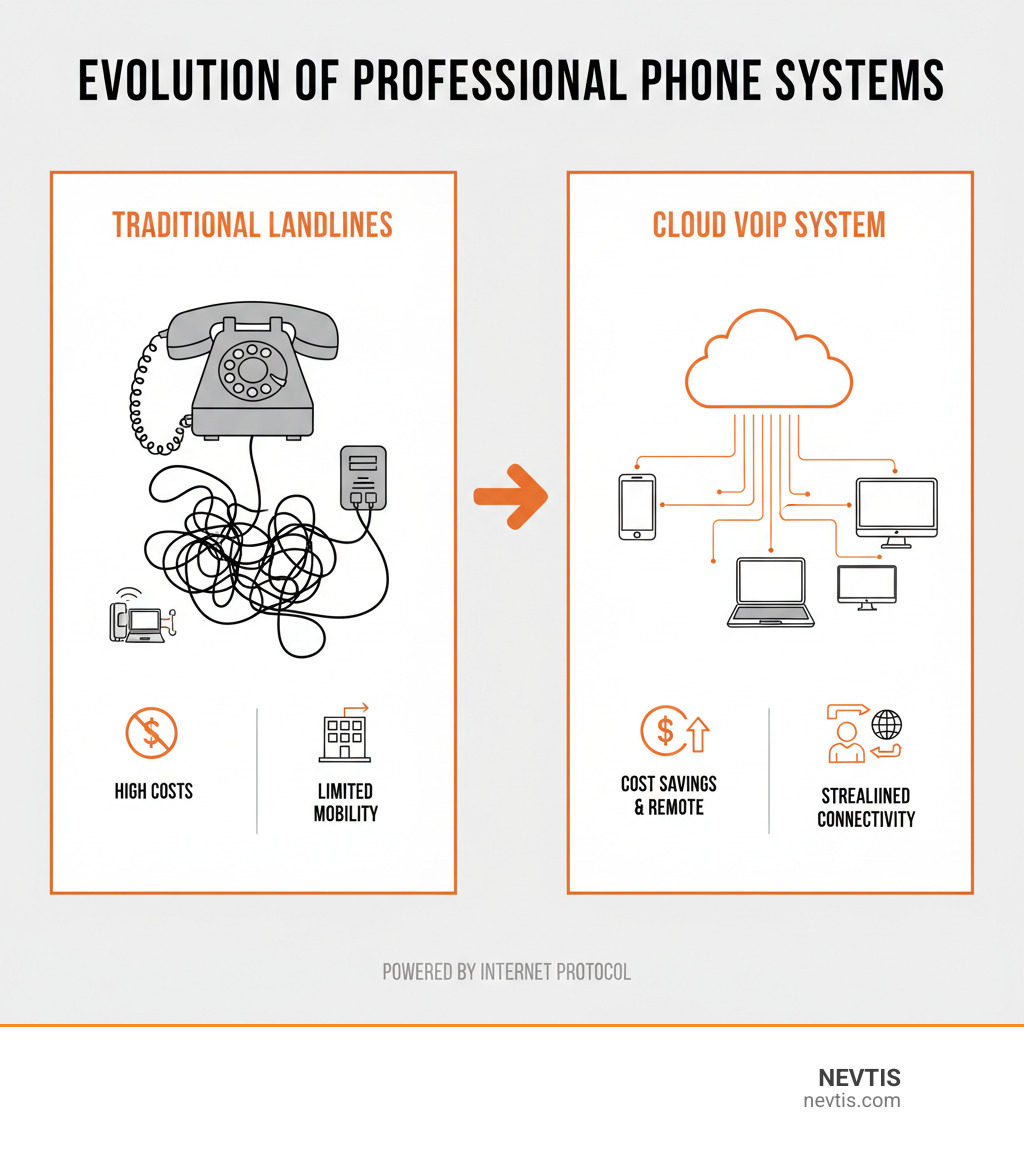
Forget the maze of wires from old office phones. A modern professional phone system is internet-powered and built for how we work today. Whether you’re in Los Angeles, Anaheim, or Newport Beach, today’s phone systems are designed to move with you. The key is Voice over Internet Protocol (VoIP), which sends calls over the internet instead of old copper lines. The result is simple: crystal-clear calls, powerful features, and savings of 50-70% compared to traditional landlines.
VoIP vs. Landline
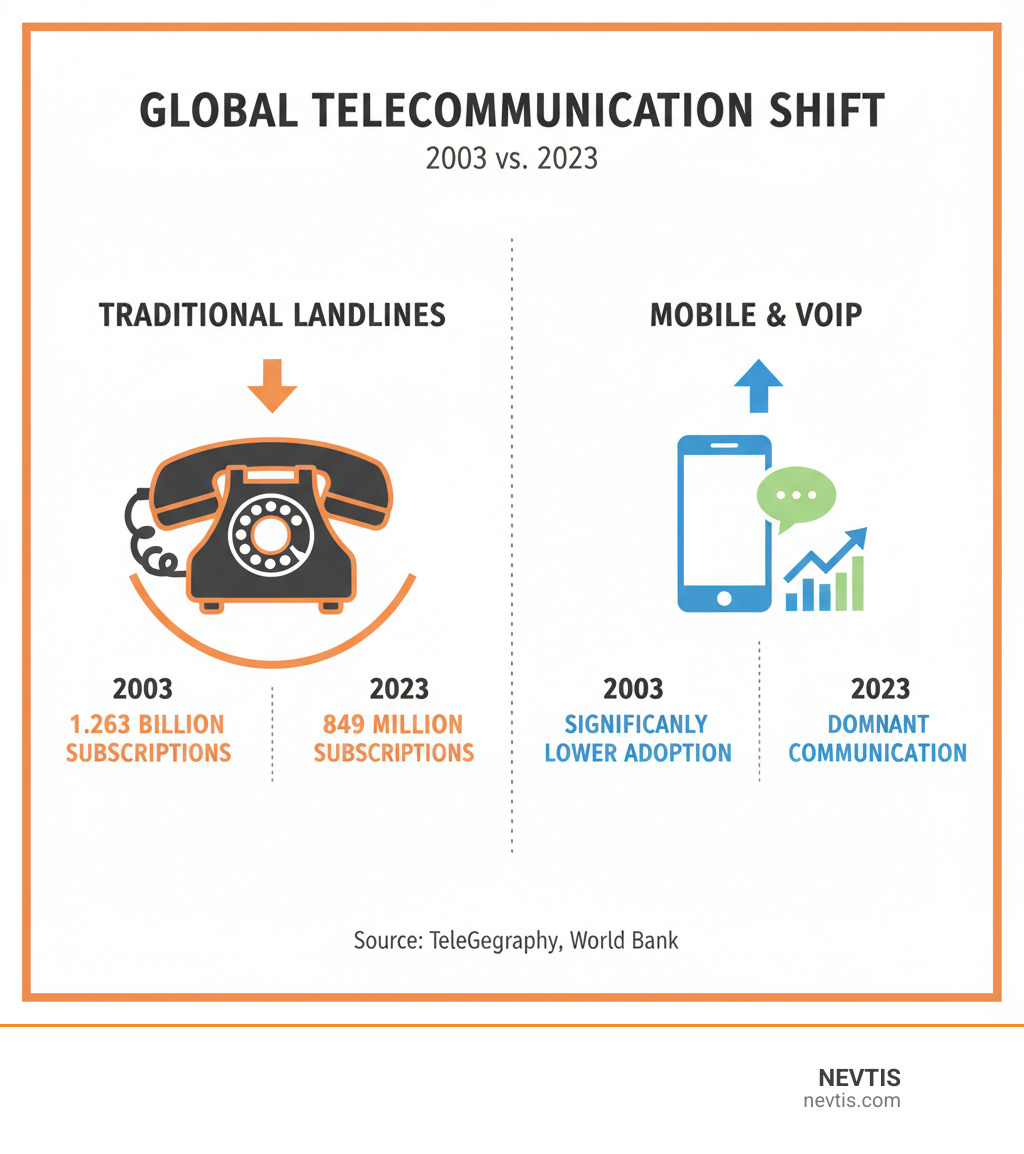
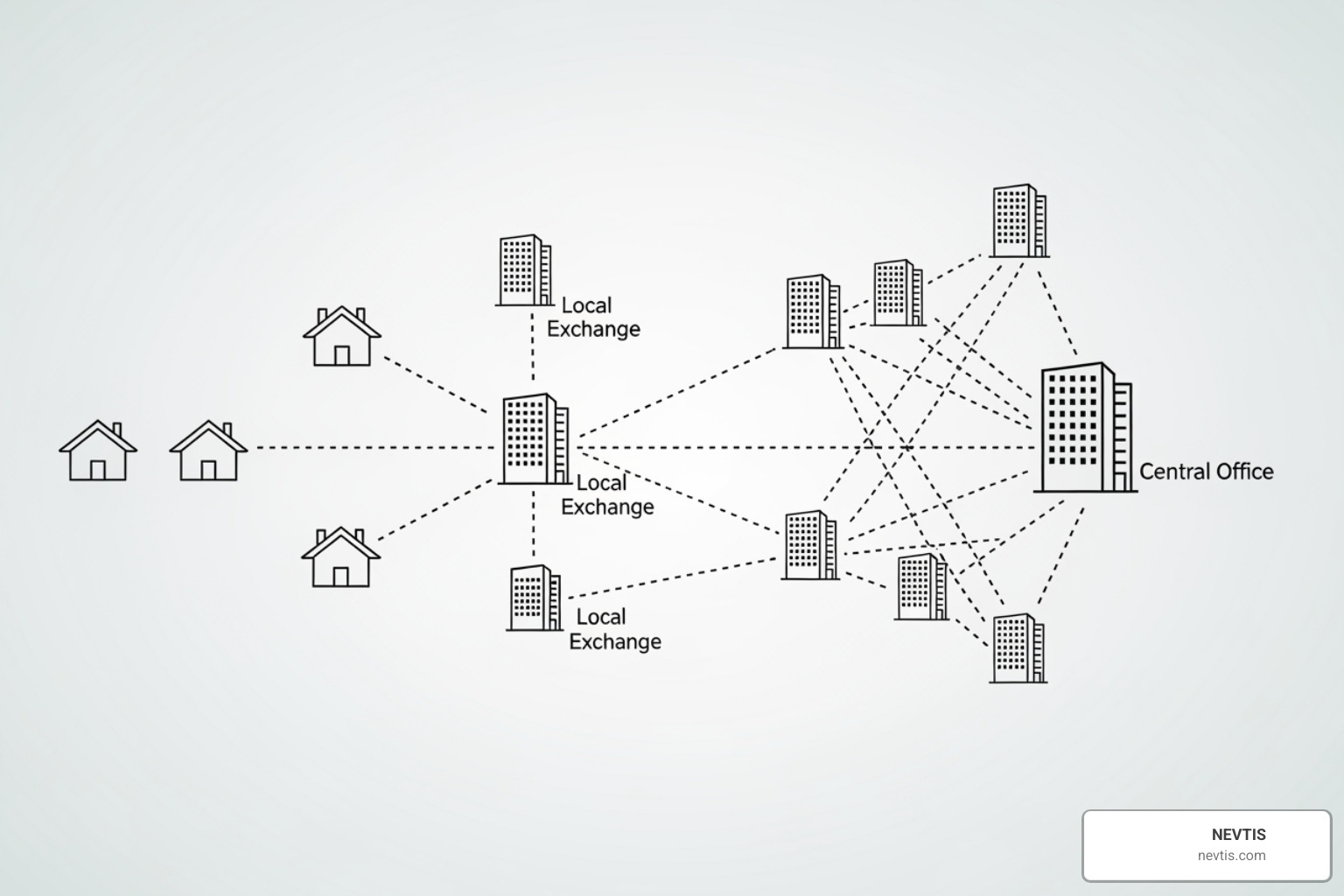
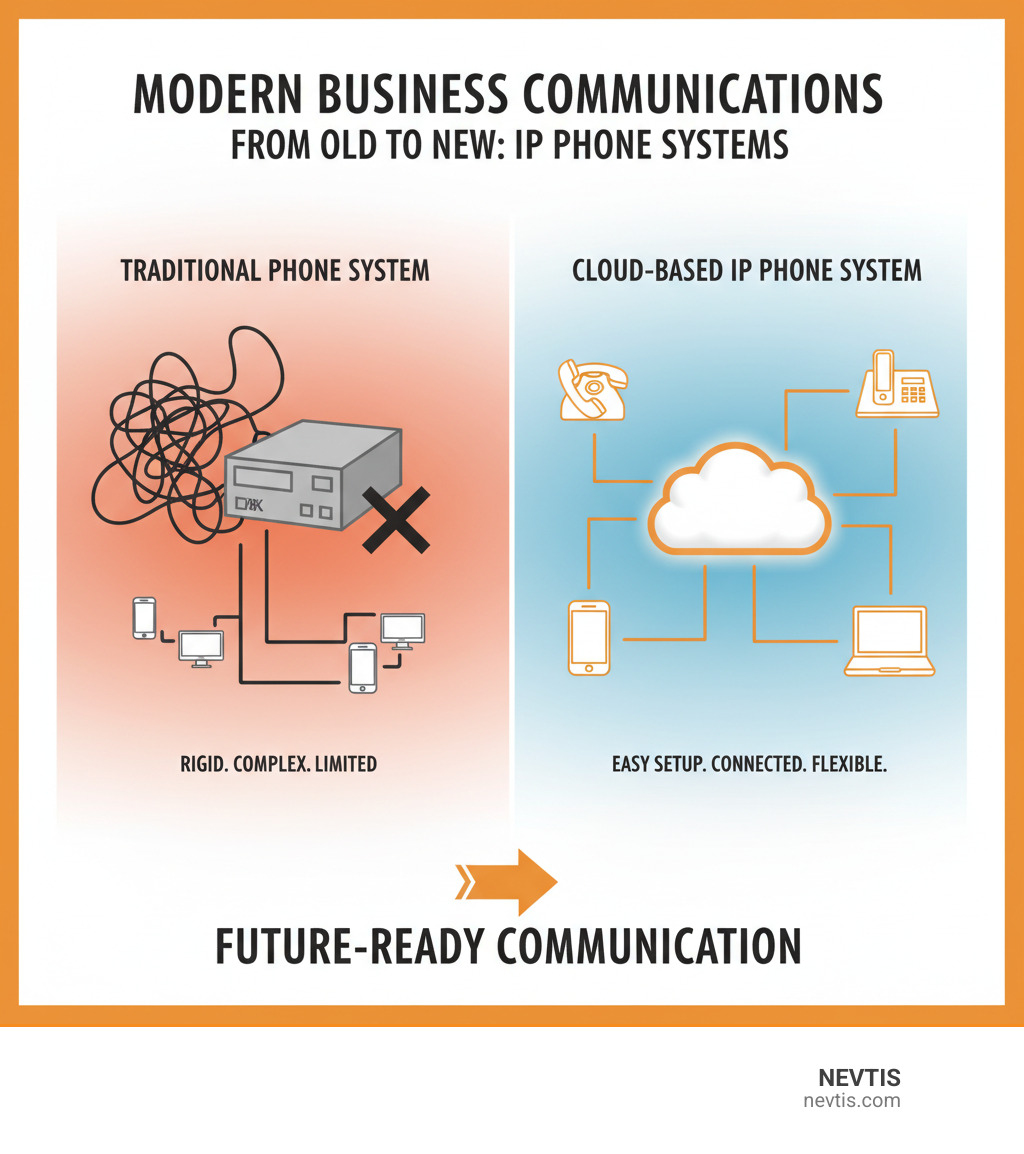
Traditional landlines use the Public Switched Telephone Network (PSTN)—physical copper wires that are expensive, difficult to expand, and limited in features. Adding a new line often means costly installation. In contrast, VoIP systems send calls over the internet, so no new wiring is needed. Adding an extension takes a few clicks, allowing your team in Pasadena or remote workers in Riverside to stay connected on laptops or smartphones. If you have internet, you have a phone system.
Cloud PBX vs. Traditional PBX
System management has also evolved. The old traditional PBX (Private Branch Exchange) was bulky, expensive on-site hardware that required maintenance and had physical limitations. The modern solution is the cloud PBX (or hosted PBX). With a cloud-based professional phone system, the provider manages the hardware and software off-site. You only need an internet connection and your preferred devices (IP phones, computers, or smartphones). This is ideal for teams with remote workers in locations like Burbank or Hawthorne, as everyone connects to the same system. The benefits are clear: significant cost savings on hardware and maintenance, effortless scalability, greater flexibility for your team, and access to advanced features.
Key Features of a Professional Phone System
A modern professional phone system is a complete communication hub. Here are the features that make the biggest difference:
- Auto-attendant: Greets callers with a professional message and menu options to direct them to the right person or department, creating a polished first impression 24/7.
- Call routing: Uses smart rules (e.g., time of day, caller ID) to direct calls to the right person or group. Create ring groups or sequential ringing to ensure calls are answered.
- Voicemail-to-text: Transcribes voicemails and sends them to your email or mobile app, allowing you to read messages quickly.
- Call recording: Captures conversations for training, quality control, or compliance.
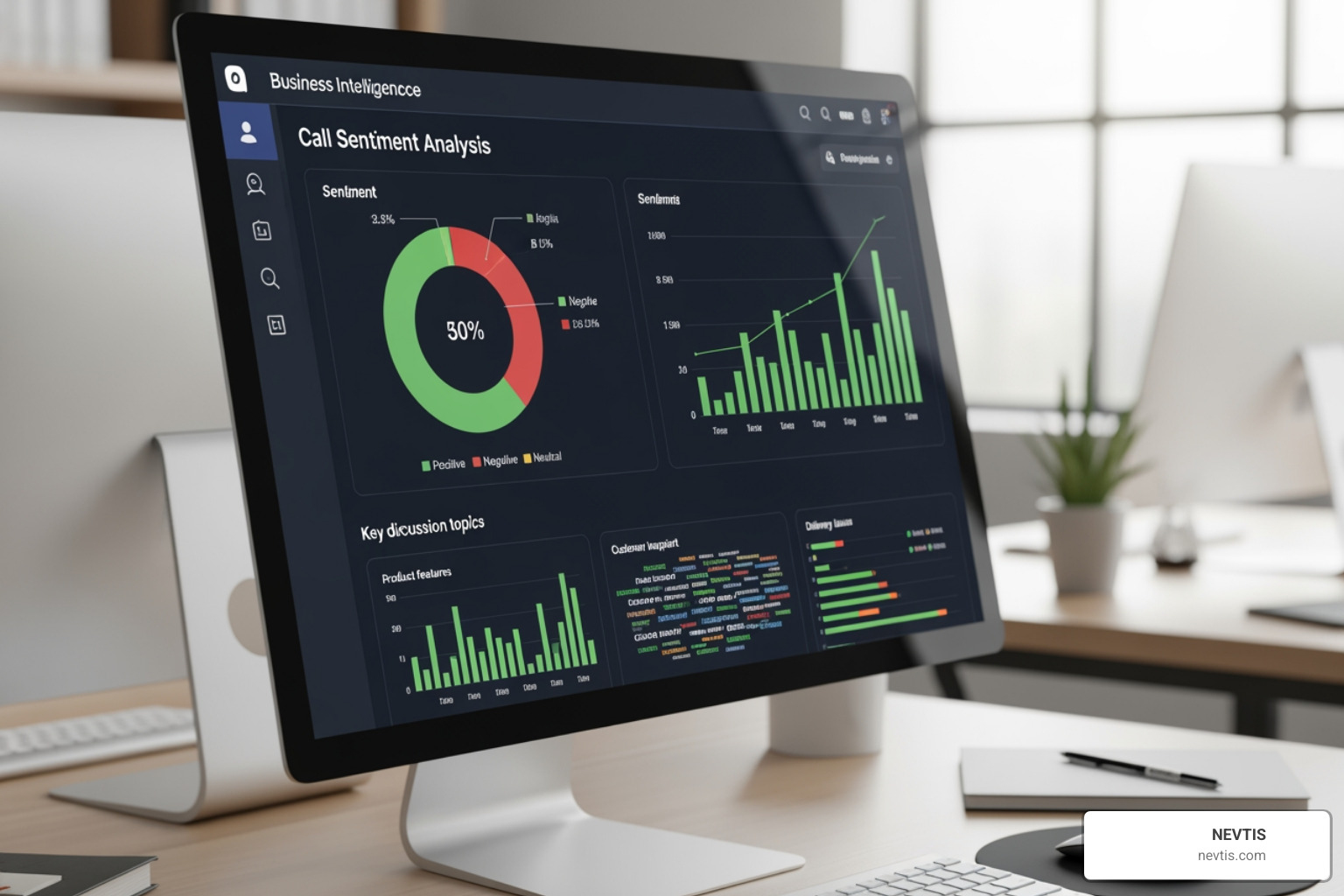
- Analytics and reporting: Provide detailed data on call volumes, peak times, and team performance to help you make smarter business decisions.
- Business texting: Integrates professional SMS into your phone system for quick reminders and follow-ups.
- Visual voicemail: Displays your voicemails in a list, like email, so you can manage messages without listening in order.
These features work together to streamline operations and improve customer service. More info about our services.
The Power of Unified Communications (UCaaS)
Unified Communications as a Service (UCaaS) integrates your professional phone system with other tools like video meetings, team chat, and file sharing onto a single cloud-based platform. Instead of juggling separate apps, your team works from one unified platform.
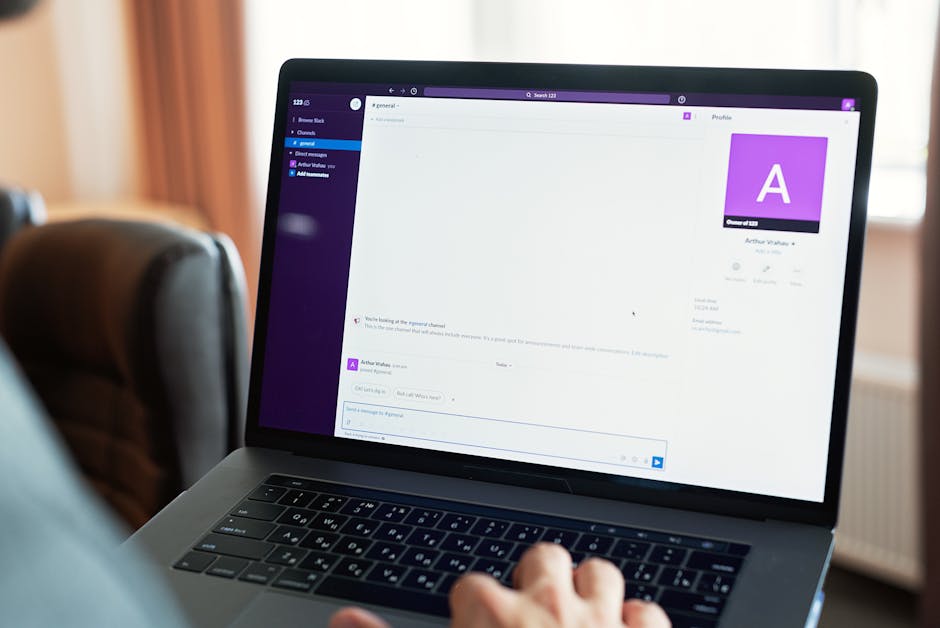
Collaboration improves as team members in Los Angeles can easily video call colleagues in Orange County without switching apps. Our NEVTIS Plus mobile app bundles over 50 enterprise features to enable this seamless interaction. Productivity increases as your team spends less time managing tools and more time communicating. The experience is consistent across all devices, whether at a desk in Pasadena or a coffee shop in Burbank.
Crucially, UCaaS platforms are built for remote and hybrid work, keeping your employees connected and productive anywhere. This flexibility is essential for business continuity and attracting modern talent.
How to Choose the Right Professional Phone System for Your Business
Choosing the right professional phone system is a strategic decision that impacts your operations, customer satisfaction, and bottom line. Since every business in Southern California is unique, the goal is to find a system that fits your specific needs. This is an investment in a communication hub that grows with you—a process we call future-proofing.

Evaluating Your Core Needs and Features
Before looking at providers, first evaluate what your business truly needs.
- Business Size and Scalability: Consider your current number of users and future growth plans. Our solutions scale effortlessly, making it easy to add or remove users whether you’re a startup in Anaheim or an enterprise in Riverside.
- Must-Have Features: Identify essential functions. Do you need an auto-attendant, CRM integration, analytics, or business texting?
- Remote Work and Mobility: Your team needs to stay productive anywhere. A great system offers a powerful mobile app for secure communication without using personal numbers. Our NEVTIS Plus app empowers remote teams with over 50 advanced features.
- Call Volume: High volume may require call queuing and an IVR (Interactive Voice Response) system to manage calls efficiently.
- Industry-Specific Needs: Consider requirements like HIPAA compliance for healthcare in Hawthorne or advanced contact center features for a service business in Newport Beach.
Understanding Pricing Models for a Professional Phone System
Understanding pricing models is key to setting a budget and avoiding surprises.
- Per-User Pricing: A common model where you pay a monthly fee for each user. Plans typically range from $15 to $60+ per user, depending on features. This model scales with your team, making costs predictable.
- Tiered Plans: Providers offer different service levels (e.g., Basic, Standard, Premium) with varying features and prices. You choose the tier that fits your needs and budget.
- Annual Licensing: Some solutions involve a yearly software license fee rather than a monthly per-user charge, which can sometimes offer savings.
- Hidden Fees: Watch for extra costs like setup, activation, or number porting fees. We believe in transparent, small-business-friendly pricing without surprises.
- Hardware Costs: While cloud systems support Bring Your Own Device (BYOD), you may want dedicated IP desk phones. These range from around $50 for basic models to $500 for high-end phones. Factor any purchase or rental costs into your budget.
Opening up Peak Efficiency and Security
Let’s talk about what a professional phone system can really do for your business beyond just making calls ring. When you get the right system in place, something remarkable happens—your entire operation starts running smoother, your customers feel more valued, and your team can focus on what they actually do best.
Business Efficiency and Customer Service Improvement
Think about all those little frustrations that add up throughout the day. Someone has to manually transfer calls. Voicemails get lost in the shuffle. A customer calls back three times because they keep getting bounced around. These aren’t just minor annoyances—they’re costing you time and money.
A modern professional phone system tackles these challenges head-on. When your auto-attendant greets callers professionally and routes them to exactly the right person or department, you’re not just saving time—you’re creating a better first impression. Your team isn’t scrambling to figure out who should handle what call. Everything flows naturally.
The impact on customer service is particularly striking. When your system integrates with your other business tools, your agents can see who’s calling and pull up their history before they even answer. This means higher first call resolution rates because your team has the context they need to solve problems quickly. No more “let me transfer you to someone who can help” or “can you repeat that information?”
And here’s something we hear from businesses all the time: the professional image matters. Whether you’re a startup in Anaheim or an established firm in Newport Beach, when customers call and experience a polished, efficient system, they immediately perceive your business differently. You sound bigger, more established, more reliable—even if you’re a team of five working from home offices across Orange County.
The Value of Integrating with Business Tools
This is where things get really interesting. Your professional phone system shouldn’t live in isolation—it should talk to the other tools you use every day.
When your phone system connects with your CRM platform, magic happens. A customer calls, and boom—their information pops up on your screen automatically. You can see their purchase history, previous conversations, and any open tickets. Your agent greets them by name and already knows why they might be calling. No awkward “can I get your account number?” dance. Click-to-dial means no more misdialing numbers from your database. Every call gets logged automatically, so you’re not relying on your team to remember to update records.
Integration with productivity suites like Google Workspace or Microsoft 365 creates similar efficiencies. Your phone system knows your calendar, so it can route calls to voicemail during meetings or send them to a colleague when you’re unavailable. Some systems even use AI to transcribe voicemails to text and block spam calls automatically, saving you precious time throughout the day. We’ve designed our solutions to work seamlessly with the tools you already use, creating a unified workflow that just makes sense.
These integrations eliminate the tedious data entry and context switching that slows everyone down. Your team spends less time managing their tools and more time actually helping customers. More info about our services. And if you’re curious about how these integrations handle your business data, you can review Google’s business safety & privacy terms.
Security and Reliability in VoIP Systems
Now, let’s address something that keeps business owners up at night: security. When your communication moves to the internet, you need absolute confidence that your conversations stay private and your system stays online.
The good news is that modern VoIP security is incredibly robust. Advanced encryption protects your calls from eavesdropping—your conversations are scrambled into unreadable data as they travel across the internet. This isn’t optional security; it’s built into the core of how these systems work.
Access controls add another layer of protection. Multi-factor authentication, secure portals, and strict user permissions ensure that only the right people can access and manage your professional phone system. This is particularly important for businesses handling sensitive information, whether you’re in healthcare in Hawthorne or financial services in Pasadena.
Reliability is equally crucial. When we talk about carrier-grade resilience with 99.999% uptime, we’re talking about systems that are online virtually all the time—that’s less than six minutes of downtime per year. Many providers offer automatic failover and backup options that keep your phones working even during internet outages. For businesses across Los Angeles, Riverside, or anywhere in Southern California, this means you’re always reachable.
Our voice service is designed with robust security measures from the ground up, including HIPAA compliance for healthcare providers and built-in protections against international toll fraud—one of those industry headaches you shouldn’t have to worry about. We’ve built our infrastructure on a global network that prioritizes both security and reliability.
One important note about VoIP and emergency services: unlike traditional landlines that automatically tie your phone to a physical address, VoIP systems require you to register your actual location for 911 calls. This ensures emergency responders can find you when it matters most. It’s a simple step during setup, and any reputable provider will walk you through it.
The businesses that trust us—like those who’ve left 5-star reviews—understand that choosing a secure, reliable provider isn’t just about features. It’s about peace of mind, knowing your communication backbone is solid so you can focus on growing your business.
Frequently Asked Questions about Business Phone Systems
When we talk with business owners about upgrading their communication systems, we hear the same questions over and over. These are legitimate concerns that deserve clear, honest answers. Let’s walk through the most common ones together.
Can I keep my current business phone number?
This is usually the first question we hear, and we completely understand why. Your business phone number is part of your identity—it’s on your website, business cards, marketing materials, and in your customers’ contact lists. The good news? Yes, you can absolutely keep your existing number!
The process is called number porting, and it’s become quite straightforward thanks to regulations from the Federal Communications Commission (FCC) that protect your right to take your number with you. Most cloud phone service providers, including us, will guide you through the entire process.
Here’s what you need to know: The porting process typically takes one to two weeks to complete. During this time, your number will transfer from your old provider to your new professional phone system. The most important thing to remember is don’t cancel your old service before the porting is complete. This is a common mistake that can actually cause you to lose your number permanently.
Your new provider will need some basic information from you, like your account number and billing address from your previous service. As long as your current number is active and eligible for porting, the transition should be smooth. We’ve helped countless businesses in Los Angeles, Orange County, and throughout Southern California keep their established numbers while upgrading to modern cloud systems.
Do I need to buy special hardware or desk phones?
This question often comes with a hint of worry about upfront costs. Here’s the refreshing truth: No, you probably don’t need to buy any special hardware at all!
One of the most liberating aspects of a modern cloud-based professional phone system is its flexibility. The whole point of moving to the cloud is to free you from expensive equipment. Your existing devices—smartphones, laptops, tablets—can all function as your business phones. This is what we call Bring Your Own Device (BYOD), and it’s a game-changer for keeping costs down.
Softphones are software applications that turn your computer into a phone, complete with a headset for clear audio. Meanwhile, mobile apps like our NEVTIS Plus bring the full power of your business phone system right to your smartphone. With over 50 enterprise features accessible from your mobile device, your team can work from anywhere—whether that’s a home office in Pasadena, a coffee shop in Newport Beach, or a client site in Riverside.
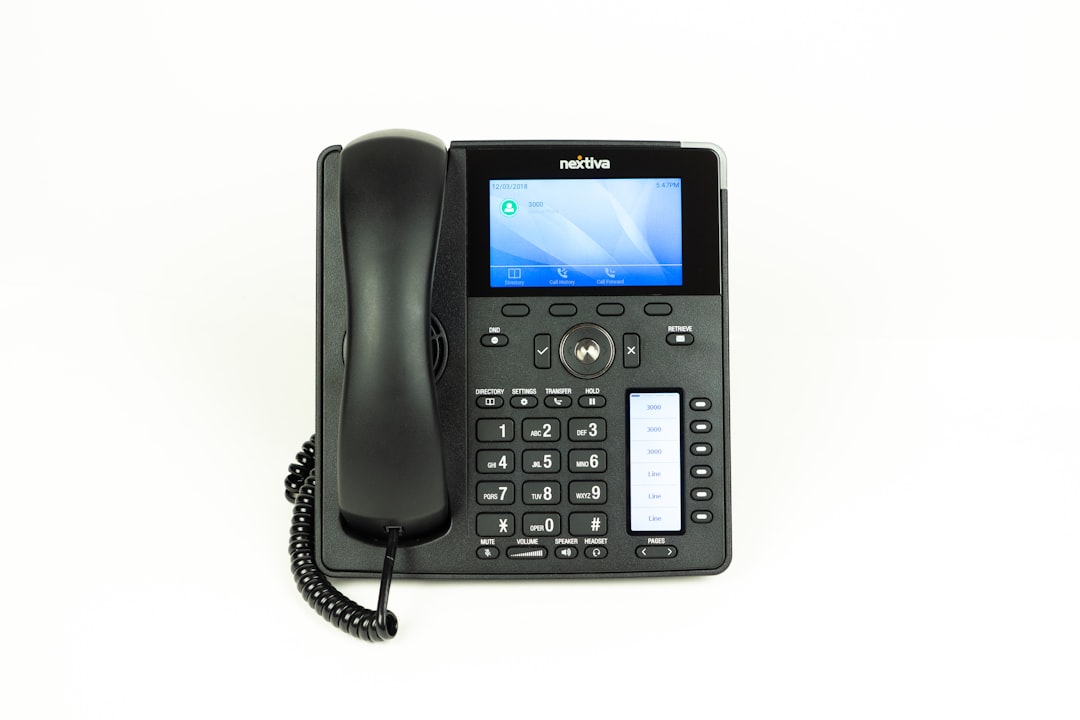
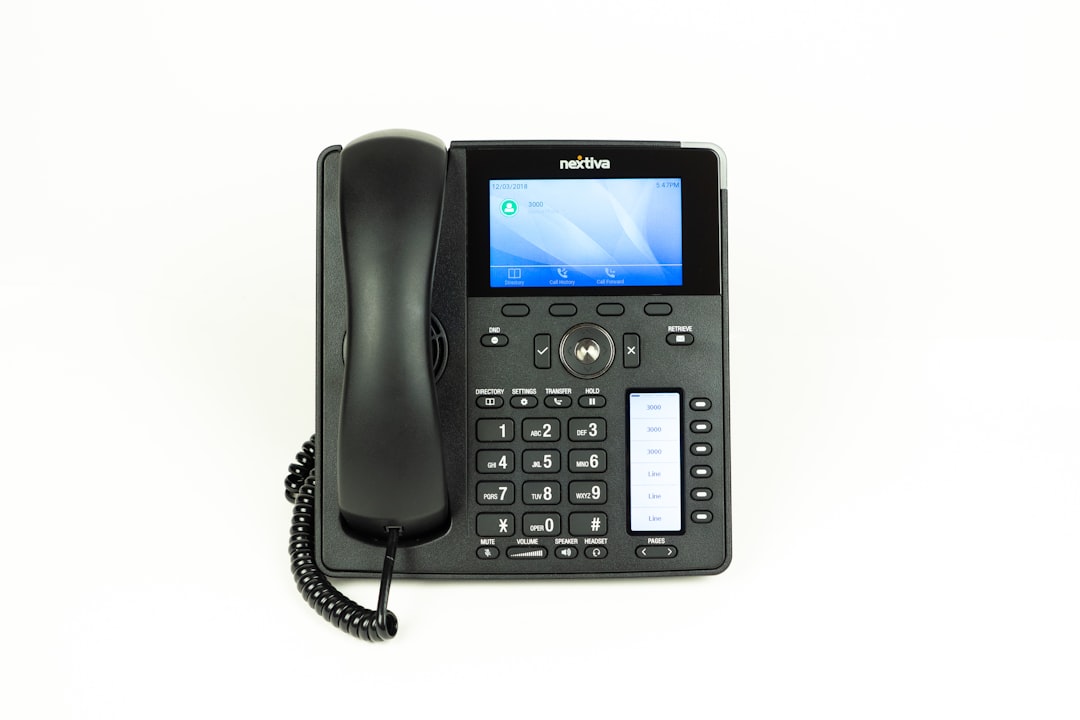
That said, if you prefer the feel of a traditional desk phone, IP phones are certainly available. They look and feel like conventional phones but connect through your internet rather than old copper lines. They’re particularly popular for reception desks or for team members who simply prefer a physical handset. Basic models start around $50, while high-end conference phones can run up to $500. Some systems even work with your existing analog phones using an Analog Telephone Adapter (ATA).
The key word here is optional. You choose what works best for your team and your budget.
How difficult is it to set up a cloud-based phone system?
If you’re picturing technicians running cables through your walls or spending days configuring complex equipment, take a breath. Setting up a modern cloud-based professional phone system is surprisingly simple—often easier than setting up a new email account.
Most basic setups take less than an hour. Seriously. Because everything lives in the cloud, there’s no physical equipment to install beyond plugging in devices you already have. The entire configuration happens through user-friendly dashboards that are designed for business owners, not IT specialists.
You don’t need a dedicated IT team to get started or to make changes later. Want to add a new user? A few clicks. Need to adjust your call routing? Done in minutes through an app-based configuration interface. Setting up ring groups, multi-level auto attendants, or voicemail settings is straightforward and intuitive.
We’ve designed our system so you can manage your business connections, assign numbers, port your existing numbers, and handle billing all from one central location. Whether you’re accessing it from your desktop in your Anaheim office or from your tablet while traveling, the experience is consistent and clear.
Of course, if you do want help with custom setups or have specific questions, we offer guided onboarding and personal support. We’re here to make sure your transition is smooth and your team is confident using the new system from day one. More info about our services.
Conclusion: Make the Right Call for Your Business’s Future
Choosing the right professional phone system doesn’t have to feel like solving a puzzle in the dark. Throughout this guide, we’ve walked through the landscape of modern business communications together, and hopefully, the path forward feels clearer now.
The shift from traditional landlines to cloud-based VoIP systems isn’t just about keeping up with technology—it’s about opening doors for your business. When you can save 50-70% on communication costs, work from anywhere with confidence, and give your team tools that actually make their jobs easier, you’re not just upgrading a phone system. You’re investing in how your business grows and adapts.
Think about what matters most to your business. Maybe it’s the flexibility to hire talented people regardless of where they live in Southern California or beyond. Perhaps it’s the professional image that comes from never missing a call, even when you’re away from your desk. Or it could be the peace of mind that comes from knowing your communication system is secure, reliable, and won’t let you down when it matters most.
Modern professional phone systems with unified communications bring everything together—voice calls, video meetings, team messaging, and business texting—all in one place. This isn’t just convenient; it fundamentally changes how teams collaborate and how quickly you can respond to customers. When your receptionist in Anaheim can seamlessly transfer a call to your sales manager working from home in Riverside, with full context about the customer, that’s the kind of efficiency that moves businesses forward.
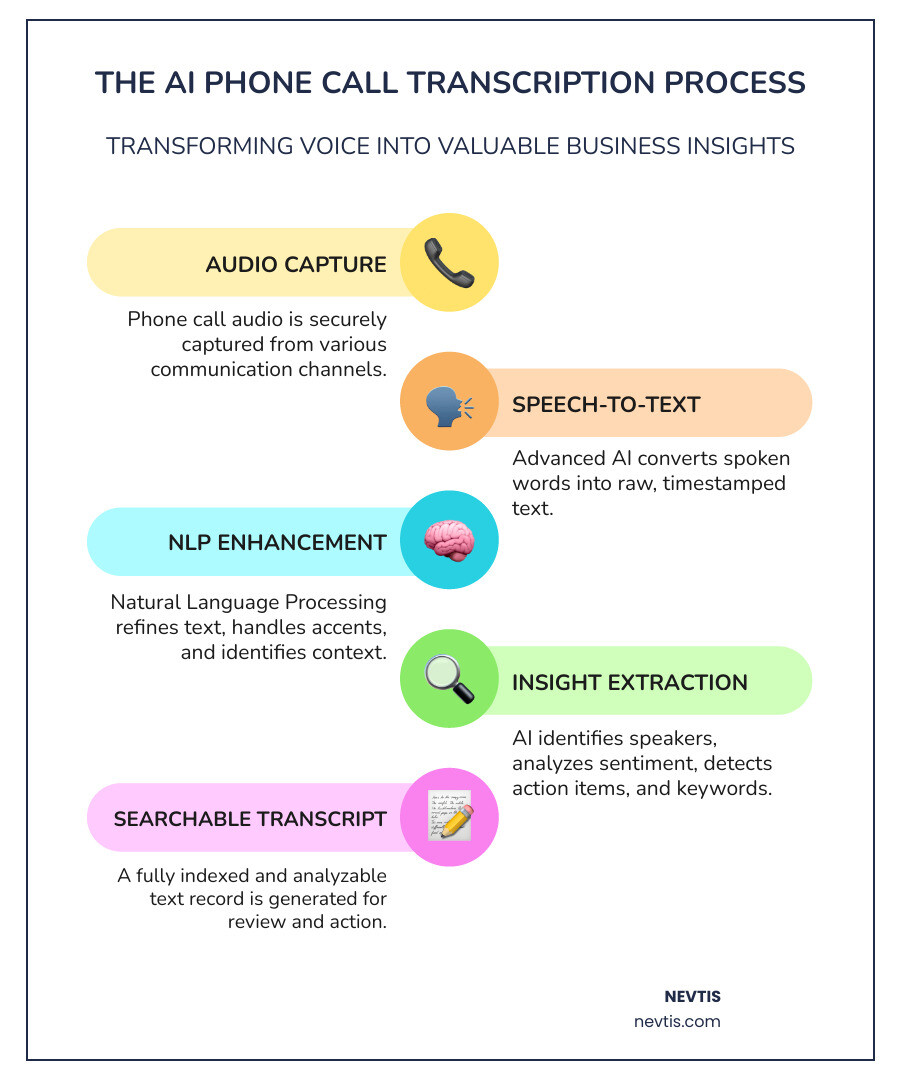
At NEVTIS, we’ve built our solutions around what businesses like yours actually need. Our NEVTIS Plus mobile app puts 50+ enterprise features right in your pocket, with AI-powered call transcription that turns conversations into actionable insights. We believe communication technology should empower your team, not complicate their day.
Whether you’re a small startup in Burbank or an established company in Newport Beach, the right phone system grows with you. It supports your team when they’re remote, impresses your customers with professionalism, and gives you the analytics to make smarter decisions about your business.
The future of business communication is flexible, intelligent, and remarkably cost-effective. It’s designed for how we actually work today—and how we’ll work tomorrow. Your business deserves a communication partner who understands that.
Ready to leave behind the limitations of outdated phone systems? We’d love to show you what’s possible. Explore our VoIP solutions and find how NEVTIS can transform the way your business connects, collaborates, and serves customers. The right call for your business’s future might be easier than you think.