Category: Telecom

  • Ransomware Has Changed: Why Backups Alone Are No Longer Enough

    Ransomware Has Changed: Why Backups Alone Are No Longer Enough

    For years, the standard advice for protecting a business against ransomware was straightforward: maintain good backups. If cybercriminals encrypted your files, you could restore your information, rebuild your systems, and avoid paying the ransom.

    That strategy is still essential—but it is no longer enough.

    Modern ransomware attacks have evolved from simple data encryption into sophisticated extortion operations. Cybercriminals increasingly try to steal sensitive information before disrupting systems, giving them another way to pressure a company even when its backups work perfectly.

    At the same time, organizations are becoming more reluctant to pay ransom demands. That is positive news, but it also changes what businesses need to prepare for.

    The new ransomware strategy is no longer simply about recovering files. It is about protecting data, maintaining business operations, responding quickly to an incident, and managing what happens when confidential information may have left the organization.

    The Rise of Double Extortion

    Traditional ransomware followed a relatively simple formula.

    Attackers entered a company’s network, encrypted important files and systems, and demanded money in exchange for a decryption key.

    Businesses with reliable backups had an important advantage: they could potentially restore their systems without negotiating with the criminals.

    Attackers adapted.

    Today, many ransomware operations use a technique known as double extortion. Before encrypting the victim’s systems, criminals copy or “exfiltrate” valuable information. They can then make two threats:

    1. Pay us if you want your encrypted files restored.
    2. Pay us or we will publish or sell the information we stole.

    CISA specifically identifies this combination of encryption and threatened publication of stolen information as double extortion. Some criminal groups have gone even further, using data theft alone as an extortion method without encrypting systems at all.

    This fundamentally changes ransomware recovery.

    Imagine a company has excellent backups and restores every server within hours. Operations return to normal and no decryption key is needed.

    Technically, the backup strategy succeeded.

    But what happens if attackers copied customer records, employee information, contracts, financial documents, passwords or proprietary business information before the ransomware was activated?

    Restoring the server does not restore the company’s privacy.

    The organization may still need to determine exactly what information was accessed, whether customers or partners need to be notified, whether credentials have been compromised and whether additional systems remain exposed.

    That is why ransomware should increasingly be treated as both a business continuity event and a potential data breach.

    Paying the Ransom Does Not Eliminate the Risk

    Double extortion also creates an uncomfortable reality for businesses considering payment.

    There is no guarantee that paying criminals will solve the problem.

    The FBI does not support paying ransomware demands and warns that payment does not guarantee that an organization will recover its data. U.S. cybersecurity authorities also warn that paying does not guarantee stolen information will not eventually be leaked.

    After all, a company dealing with cybercriminals has no contractual guarantee that the attackers will delete their copies of stolen data.

    Even if criminals provide a decryption key, the organization still needs to investigate how the attackers entered, how long they remained inside the network, what information they accessed and whether they left additional malicious tools behind.

    Recovery therefore cannot begin and end with restoring a backup.

    More Organizations Are Learning to Operate Without Paying

    There are also indications that organizations are becoming better at resisting ransomware demands.

    Chainalysis reported that total on-chain ransomware payments declined approximately 8% in 2025 to about $820 million, despite a significant increase in claimed ransomware attacks.

    Coveware reported an even more dramatic trend within the incidents it tracks: by the fourth quarter of 2025, approximately 20% of ransomware cases resulted in payment, which it described as a historical low. The company attributed part of that decline to better backup integrity, incident response preparation and organizations becoming more capable of maintaining operations without relying on attackers’ decryption keys.

    Different cybersecurity studies use different samples and methodologies, so payment percentages should not be treated as universal. For example, Sophos’ 2026 ransomware research found that 48% of surveyed organizations whose data had been encrypted ultimately paid.

    The important lesson is not a particular percentage.

    It is that businesses need the ability to make decisions from a position of preparedness rather than desperation.

    The New Ransomware Recovery Plan

    A modern ransomware strategy therefore needs several layers.

    Maintain secure and tested backups. Backups remain one of the most important defenses against ransomware, but organizations should regularly test whether systems can actually be restored. Critical backups should also be protected so attackers cannot easily encrypt or delete them.

    Know what information you have. Businesses should understand where customer information, employee records, financial documents and other sensitive data are stored. You cannot accurately evaluate a breach if you do not know what information was exposed.

    Create an incident response plan before an attack. Decide who will make critical decisions, who will contact cybersecurity specialists, how systems will be isolated and how employees, customers, partners and authorities will be informed when appropriate.

    Preserve forensic evidence. Immediately rebuilding every affected computer may destroy information investigators need. CISA recommends preserving relevant logs, system images and other forensic evidence when responding to ransomware incidents.

    Prepare your communications strategy. A ransomware incident can quickly become a reputation problem as well as an IT problem. Management, legal advisers, cybersecurity teams and communications personnel should know their responsibilities before a crisis occurs.

    Protect identities and credentials. Attackers frequently target legitimate user accounts. Sophos reported in its 2026 ransomware research that compromised credentials were involved in a large share of the incidents it studied, reinforcing the importance of strong identity security, monitoring and appropriate multi-factor authentication coverage.

    Cybersecurity Is Now a Business Resilience Issue

    Ransomware is no longer simply an IT problem where encrypted computers need to be restored.

    A modern attack can disrupt operations, expose confidential information, damage customer trust, generate legal and compliance responsibilities and create difficult decisions for company leadership—all at the same time.

    That is why the strongest ransomware strategy is not based on one security product or one backup server.

    It is based on resilience.

    Businesses should assume that prevention may eventually fail and ask a more important question:

    If an attacker gets inside tomorrow, can we detect the intrusion, protect our most important information, restore operations, understand what was stolen and continue running the business without depending on the attacker?

    Companies that can confidently answer that question are taking away one of the cybercriminal’s most powerful weapons: leverage.

  • Are Smart Glasses Finally Becoming Useful for Work?

    Are Smart Glasses Finally Becoming Useful for Work?

    Smart glasses have had a complicated history.

    For years, they sounded futuristic but felt awkward in real life. Many people saw them as too expensive, too distracting, or too unusual to become part of the average workday. But the newest wave of AI-powered smart glasses is starting to change that conversation.

    Companies including Google, Meta, and Samsung are investing in wearable AI devices that could help people access information, translate conversations, capture notes, and interact with digital tools without constantly reaching for a phone or laptop. Google has been working with partners including Samsung, Warby Parker, and Gentle Monster on Gemini-powered smart glasses, while Meta reportedly has several new smart glasses planned for 2026.

    What Are Smart Glasses?

    Smart glasses are wearable devices that look like regular eyewear but include built-in technology such as cameras, microphones, speakers, sensors, or AI assistants.

    A practical way to think about them is this: smart glasses are designed to bring digital help into the real world without requiring someone to constantly look down at a screen.

    For example, a professional could use smart glasses to hear a translated conversation, capture a quick note, receive directions, review meeting reminders, or get hands-free assistance while working.

    Why Professionals Are Paying Attention

    Most professionals already know the feeling of juggling too many screens.

    A meeting on the laptop. A message on the phone. Notes in another app. A calendar reminder pops up right when the conversation gets important.

    Smart glasses could reduce some of that friction by making certain tasks more hands free. Instead of stopping to type a note or search for information, a worker may eventually be able to ask a wearable assistant for help in the moment.

    That could matter in industries where people need to keep their hands free, such as healthcare, field service, logistics, manufacturing, training, travel, and customer support.

    The value is not just looking futuristic. The value is helping people stay focused while still having access to useful information.

    The Trust Question

    The biggest challenge may not be the technology itself. It may be trust.

    Smart glasses can include cameras, microphones, and real-time AI assistance. That raises important questions about privacy, consent, workplace policies, and how information is stored. Recent reporting on AI eyewear has pointed out that these devices could create new opportunities, but also new concerns around data ethics, bystander privacy, and transparency.

    In a workplace, that matters. Employees, customers, and partners need to know when devices are recording, what information is being captured, and how that data is being protected.

    This is where the conversation connects back to business communication. Companies like NEVTIS Corp help organizations modernize the way teams communicate through voice, video, messaging, and collaboration tools. As new devices enter the workplace, companies will need communication systems and policies that support both productivity and trust.

    UCaaS, or Unified Communications as a Service, brings business phone, video meetings, messaging, and collaboration into one connected system. If wearable tools become part of daily work, businesses will need to think carefully about how those tools connect to meetings, customer conversations, and internal communication.

    Looking Ahead

    Smart glasses may not replace laptops or phones anytime soon.

    But they could become useful in specific moments where hands-free access, quick information, or real-time assistance make work easier. The companies that benefit most will be the ones that treat wearable technology as a tool with a clear purpose, not just a trend.

    For teams, the question is not only, “Can this device do something impressive?”

    The better question is, “Does it help people work better without creating new confusion or privacy risks?”

    Tech Today Takeaway: Smart glasses are moving from a futuristic idea to a practical workplace experiment. Their success will depend on whether they can deliver real productivity while earning trust from the people expected to use them.

  • What Happens to All the Data Your Business Collects?

    What Happens to All the Data Your Business Collects?

    Every digital interaction leaves a trail.

    A customer fills out a contact form. A prospect schedules a demo. An employee joins a video meeting. A client sends a message. A website tracks behavior. A support team saves conversation history.

    Individually, these moments may seem small. Together, they create a large amount of business data, and many companies do not always realize how much information they are collecting.

    That is why data privacy is becoming a bigger business issue.

    What Is Data Privacy?

    Data privacy is about how personal information is collected, used, stored, shared, and protected.

    That information can include names, email addresses, phone numbers, payment details, customer records, employee information, location data, and communication history.

    Think of it this way: data privacy is not only about stopping hackers. It is also about knowing what information your company has, where it lives, who can access it, and whether it is being handled responsibly.

    Why Companies Should Pay Attention

    Businesses are using more digital tools than ever before.

    Customer platforms, payment systems, employee software, marketing tools, websites, AI systems, and communication platforms all collect or process information in some way. That can help companies work smarter, but it also creates more responsibility.

    For many organizations, the challenge is not intentional misuse. It is lack of visibility.

    A company may not realize how many tools are storing customer details, how many employees have access to certain records, or how long information is being kept.

    That can become a problem in the long run as privacy rules become stricter and customers become more aware of how their information is used.

    Trust Depends on How Data Is Handled

    Customers want convenience, but they also want confidence.

    They want quick responses, easy online forms, smooth communication, and personalized service. But they also expect businesses to protect their information.

    If a company mishandles data, the damage can go beyond a technical issue. It can affect trust, reputation, and customer relationships.

    This is especially important for communication.

    Calls, messages, video meetings, customer conversations, and shared files often contain information that businesses need to protect. Companies like NEVTIS Corp help organizations modernize the way teams communicate through voice, video, messaging, and collaboration tools.

    As communication becomes more digital, companies need more than convenience. They need systems, habits, and policies that help teams stay connected while treating business and customer information responsibly.

    UCaaS, or Unified Communications as a Service, brings business phone, video meetings, messaging, and collaboration into one connected system. For teams, this can make communication easier to manage. For companies, it also highlights the importance of choosing reliable tools and setting clear expectations for how information is handled.

    Looking Ahead

    Data privacy will continue to shape how businesses use technology.

    As companies adopt more AI tools, automation platforms, connected devices, and digital communication systems, they will need to be more intentional about the information they collect and protect.

    This does not mean companies should avoid technology. It means they should use it with more awareness.

    Executives, managers, and entrepreneurs should ask practical questions: What information are we collecting? Where is it stored? Who can access it? Are employees trained on privacy basics? Are our communication tools managed properly? Do customers understand how their information is being used?

    The companies that answer these questions early will be better prepared for a business environment where trust is part of the technology experience.

    Tech Today Takeaway: Your business may collect more data than you realize. Companies that understand, protect, and responsibly manage that information will be better positioned to build trust in a more connected digital world.

  • The Invisible Network Powering Modern Business

    The Invisible Network Powering Modern Business

    Most people think of the internet as something invisible.

    You open a video meeting, send a message, upload a file, or check a customer platform, and it just works. But behind every digital task is a large physical network carrying information across cities, countries, and oceans.

    That network is getting more attention as businesses rely more heavily on digital communication, remote collaboration, cloud software, and connected services.

    What Is Internet Infrastructure?

    Internet infrastructure refers to the physical systems that make online communication possible.

    That includes fiber-optic cables, data centers, telecom networks, satellites, routers, cell towers, and undersea cables that connect different parts of the world.

    A helpful way to think about it is this: the internet may feel wireless, but much of it depends on physical connections. Undersea cables, for example, carry large amounts of global internet traffic between continents. They are part of the hidden foundation that allows businesses to communicate across borders.

    Why It Matters Globally

    Global demand for bandwidth continues to grow as companies use more video meetings, digital platforms, AI tools, customer portals, and connected devices.

    TeleGeography reported that new subsea cable construction has averaged more than $2 billion per year over the past nine years, with investment remaining strong in 2026 as demand for capacity continues to rise.

    At the same time, connectivity gaps remain a business issue in many markets. A recent UK report found that more than 40% of mobile users struggle with poor 4G or 5G signal at least half the time while on the move, showing that even advanced economies still face reliability challenges.

    For companies, this matters because weak connectivity can slow down communication, disrupt customer service, and make digital tools less effective.

    Reliable Communication Depends on Strong Infrastructure

    When a business call drops, a video meeting freezes, or a customer platform loads slowly, the issue may not always be the software. Sometimes, the problem is the network behind it.

    That is why internet infrastructure has become more than a technical topic. It affects how teams collaborate, how customers reach support, and how businesses deliver services.

    This connects naturally to companies like NEVTIS Corp. NEVTIS helps organizations modernize the way they communicate through voice, video, messaging, and collaboration tools. Those tools work best when supported by reliable connectivity and a communication strategy designed for today’s digital workplace.

    UCaaS, or Unified Communications as a Service, brings business phone, video meetings, messaging, and collaboration into one connected system. For teams, that can mean fewer communication gaps, better flexibility, and a smoother experience across daily operations.

    Looking Ahead

    As global internet demand continues to grow, digital infrastructure will become even more important to business planning.

    Companies may not need to understand every cable, tower, or network route behind their systems. But they do need to understand that reliable connectivity is now part of productivity, customer experience, and business continuity.

    The organizations that plan for stronger communication systems and dependable digital access will be better prepared for a workplace that depends on constant connection.

    Tech Today Takeaway: The internet may feel invisible, but it runs on real infrastructure. Businesses that depend on digital tools also depend on the networks that keep communication moving.

  • From Smart Lights to Smarter Living: How Connected Homes Are Changing Daily Life

    From Smart Lights to Smarter Living: How Connected Homes Are Changing Daily Life

    Smart home technology used to feel like a luxury.

    A voice assistant could play music. A smart light could turn on from a phone. A thermostat could adjust itself automatically. For many people, these tools seemed useful, but not essential.

    That is starting to change.

    As more professionals work flexible schedules, manage busy households, and rely on connected devices throughout the day, smart home technology is becoming part of everyday productivity.

    What Is Smart Home Technology?

    Smart home technology refers to devices in the home that connect to the internet and can be controlled through an app, voice assistant, or automated setting.

    That includes smart speakers, lights, thermostats, cameras, doorbells, locks, appliances, and home office devices.

    A helpful way to think about it is this: smart home tools allow people to manage parts of their home without doing every task manually. Lights can turn on automatically. A thermostat can adjust based on the time of day. A security camera can send an alert. A voice assistant can set reminders, manage calendars, or control connected devices.

    The goal is not just to make a home feel futuristic. It is to make daily routines easier to manage.

    Why It Matters for Modern Professionals

    Work and personal life are more connected than they used to be.

    Many people now start their day by checking messages at home, taking video calls from a home office, managing family schedules, and moving between personal and professional tasks. When the home is also part of the workday, the technology inside it can affect focus, comfort, and productivity.

    For example, better lighting can improve a video meeting setup. A smart speaker can help manage reminders. A connected thermostat can create a more comfortable workspace. A security system can give peace of mind during a busy day.

    These may seem like small improvements, but together they can make daily life feel more organized.

    When Convenience Becomes a Connected Experience

    The real value of smart home technology is not one device by itself. It is how multiple tools work together.

    A morning routine might adjust the lights, start the coffee maker, read calendar reminders, and prepare the home office before the first meeting begins. A security alert might reach a phone while someone is away. A voice assistant might help set a reminder during a busy workday.

    This connects to a larger trend in technology: people expect tools to work together, not create extra steps.

    That same expectation exists in business communication. Companies like NEVTIS Corp help businesses modernize the way teams communicate through voice, video, messaging, and collaboration tools. Whether at home or in the workplace, people want technology that feels connected, reliable, and easy to use.

    Looking Ahead

    Smart home technology will likely become more practical and less noticeable over time.

    Instead of feeling like separate gadgets, connected devices may become part of the background of daily life, helping people save time, manage routines, and stay focused.

    For entrepreneurs, professionals, and growing teams, the bigger lesson is simple: technology works best when it reduces friction.

    Whether it is a smart home device or a business communication system, the goal should be the same: to make life and work easier, not more complicated.

    Tech Today Takeaway: Smart home technology is no longer just about convenience. It is becoming part of how people manage time, improve routines, and create more connected work-life experiences.

  • Are Too Many Work Apps Slowing Teams Down?

    Are Too Many Work Apps Slowing Teams Down?

  • Europe’s AI Rules Are Becoming a Global Business Issue

    Europe’s AI Rules Are Becoming a Global Business Issue

    Artificial intelligence is not only changing how businesses operate. It is also changing how governments regulate technology.

    In Europe, the AI Act is moving closer to full enforcement. The law is designed to create clearer rules around how artificial intelligence is built, used, and managed. According to the European Commission, the AI Act entered into force on August 1, 2024, and is scheduled to become fully applicable on August 2, 2026, with some parts already applying earlier.

    What Is the EU AI Act?

    The EU AI Act is a legal framework that sets rules for artificial intelligence based on risk.

    In simple terms, the more impact an AI system could have on people’s safety, rights, or opportunities, the more rules it may need to follow.

    For example, an AI tool used for simple writing support may face fewer requirements than an AI system used in hiring, healthcare, finance, or public services. The European Commission describes the AI Act as the first legal framework on AI designed to address AI risks and position Europe as a global leader in trustworthy AI.

    Why It Matters for Businesses

    This matters because AI regulation is becoming part of business strategy.

    Companies that use AI may need to understand where their tools come from, what data they use, how decisions are made, and whether employees or customers are affected by automated systems. Even businesses outside Europe may pay attention if they serve European customers, use European data, or work with global technology vendors.

    For business leaders, the key point is simple: AI is moving from “new tool” to “managed business system.”

    Trust Is Becoming a Competitive Advantage

    As companies adopt more digital tools, customers and partners may begin asking harder questions about privacy, security, and transparency.

    That is especially important for communication and collaboration. Businesses depend on voice, video, messaging, customer conversations, and shared information every day. If AI becomes part of those workflows, leaders will need to know how those systems are being used and protected.

    This is where companies like NEVTIS Corp fit naturally into the conversation. NEVTIS helps businesses modernize communication through voice, video, messaging, and collaboration tools. As technology becomes more advanced, businesses will need communication systems that support productivity while also helping teams operate with clarity and trust.

    Looking Ahead

    Europe’s AI Act may become more than a regional regulation. It could influence how companies around the world think about AI governance, risk, and accountability.

    For businesses, the goal is not to avoid AI. The goal is to use AI responsibly, with the right systems, policies, and partners in place.

    Tech Today Takeaway: AI regulation is becoming a business issue. Companies that understand privacy, security, and responsible technology use will be better prepared for the next phase of digital transformation.

  • AI-Powered Cyberattacks Are Raising the Stakes for Businesses

    AI-Powered Cyberattacks Are Raising the Stakes for Businesses

    Artificial intelligence is helping businesses work faster, but it is also giving cybercriminals new tools.

    Cybersecurity experts are warning that AI-powered attacks could become more common as bad actors use artificial intelligence to create realistic phishing emails, automate scams, find system weaknesses, and launch attacks at a larger scale.

    For businesses, this means cybersecurity can no longer be treated as just an IT issue. It is becoming a business risk that affects operations, customers, employees, and reputation.

    What Is an AI-Powered Cyberattack?

    An AI-powered cyberattack is a digital attack that uses artificial intelligence to make scams faster, smarter, or more convincing.

    For example, instead of writing one fake email manually, an attacker could use AI to create hundreds of personalized phishing emails that sound professional and realistic. AI can also help attackers study company websites, social media profiles, and public information to make scams feel more believable.

    In simple terms, AI can help cybercriminals move faster and look more legitimate.

    Why Businesses Should Pay Attention

    Businesses depend on digital tools every day. Email, cloud software, online phone systems, customer databases, payment platforms, and collaboration apps all help companies operate efficiently.

    But the more connected a business becomes, the more important security becomes.

    AI-powered cyberattacks could target employees through fake emails, suspicious links, fraudulent messages, or impersonation attempts. If one employee clicks the wrong link or shares sensitive information, the impact can spread across the organization.

    For business leaders, the key issue is preparation. Companies need stronger security practices, employee awareness, and reliable systems that protect communication and customer information.

    Why Secure Communication Matters

    Many cyberattacks begin with communication. A fake email, suspicious link, impersonated message, or fraudulent call can be enough to put sensitive business information at risk.

    That is why secure communication systems are becoming more important as companies rely on cloud-based tools to manage daily operations. Businesses need platforms that help teams stay connected while also supporting reliability, control, and protection across voice, video, messaging, and collaboration.

    This is where companies like NEVTIS Corp fit into the larger conversation. As a UCaaS software technology company, NEVTIS helps businesses modernize their communication systems through cloud-based solutions designed to support more efficient and connected workplaces.

    As cyber threats become more advanced, communication technology is no longer just about convenience. It is becoming part of how businesses protect productivity, customer trust, and daily operations.

    Looking Ahead

    AI-powered cyberattacks are a reminder that every new technology brings both opportunity and risk.

    Businesses that adopt AI and cloud tools should also invest in cybersecurity training, stronger passwords, multi-factor authentication, secure communication platforms, and clear internal policies.

    The goal is not to avoid technology. The goal is to use it wisely.

    Tech Today Takeaway: AI is changing both business productivity and cybersecurity. Companies that strengthen their digital defenses now will be better prepared to protect their teams, customers, and communications in the future.

  • Your Workday Never Really Ends—And Technology May Be the Reason Why

    Your Workday Never Really Ends—And Technology May Be the Reason Why

    Technology has made work faster, more flexible, and more connected. But for many professionals, it has also made it harder to turn off.

    Between emails, video meetings, instant messages, project updates, and after-hours notifications, employees are spending more of their day reacting to digital noise. What was designed to improve productivity can sometimes create the opposite effect: distraction, fatigue, and burnout.

    What Is Digital Burnout?

    Digital burnout is the mental exhaustion that comes from being constantly connected to work through screens, messages, meetings, and notifications.

    It is different from simply being busy. Digital burnout happens when employees feel like they are always “on,” switching between tools, responding to messages, and trying to keep up with communication across multiple platforms.

    In simple terms, the workday does not always end when the office closes.

    Why Businesses Should Pay Attention

    Digital burnout is not just an employee wellness issue. It can affect business performance.

    When employees are overwhelmed by too many meetings, alerts, and communication channels, it becomes harder to focus on meaningful work. Teams may respond slower, miss important details, or spend more time managing communication than actually completing projects.

    Recent workplace research continues to show that companies are facing challenges around burnout, disengagement, hybrid work, and communication overload. Microsoft’s Work Trend Index also focuses on how organizations can help employees thrive during ongoing changes in the way people work.

    For business leaders, the message is clear: more tools do not always mean better productivity. The real goal is to create communication systems that help teams work with clarity, not confusion.

    Building Healthier Communication Habits

    The solution is not to remove technology. It is to use technology more intentionally.

    Businesses can reduce digital burnout by setting clearer expectations around response times, limiting unnecessary meetings, organizing communication channels, and choosing tools that make collaboration easier instead of more complicated.

    This is where modern communication planning matters. NEVTIS Corp helps businesses improve the way teams communicate through voice, video, messaging, and collaboration tools that support a more connected workplace.

    When communication is organized and easy to manage, employees can spend less time chasing information and more time doing meaningful work.

    Looking Ahead

    As the workplace becomes more digital, companies will need to think carefully about how technology affects focus, productivity, and employee experience.

    The businesses that succeed will not simply adopt more tools. They will choose the right tools, create smarter communication habits, and build work environments where people can stay connected without feeling overwhelmed.

    Tech Today Takeaway: Digital burnout is a reminder that technology should support people, not exhaust them. For businesses, smarter communication habits may be just as important as the tools themselves.

  • NVIDIA SHIELD TV Review: The Premium Streaming Device for Power Users (2026)

    NVIDIA SHIELD TV Review: The Premium Streaming Device for Power Users (2026)

    If you’ve ever felt frustrated by your smart TV’s sluggish streaming performance, the NVIDIA SHIELD TV promises to be the solution. Launched in 2019 but still thriving in 2026, this compact streaming device connects via HDMI and transforms your television into a powerhouse of performance, upscaling, and versatility. At $149.99, it’s one of the most expensive streaming devices on the market—but does it deliver value worth the premium price?

    Design and Hardware

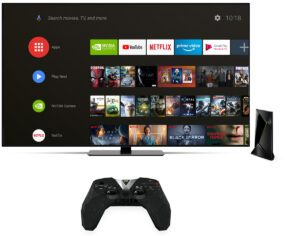
    The SHIELD TV’s design is instantly recognizable. The Pro version features a unique triangular shape with a sleek black finish, while the standard model is more compact and rectangular. Both measure under 7 inches in depth and weigh less than 5 ounces, making them virtually invisible when placed near your TV.

    The device packs NVIDIA’s Tegra X1+ processor with a 256-core GPU and 2GB of RAM in the standard model (the Pro has even more memory and storage). This hardware组合 is significantly more powerful than budget streamers like Chromecast or Fire TV sticks. The SHIELD Experience includes regular software updates directly from NVIDIA, keeping the device fresh years after launch.

    Connectivity options are impressive: Gigabit Ethernet, 802.11ac Wi-Fi (2.4GHz and 5GHz), Bluetooth 5.0, USB ports, and a microSD slot for expandable storage. The included SHIELD Remote features voice control, motion-activated backlit buttons, IR blaster for TV control, and even a remote locator feature.

    Streaming Performance and Video Quality

    The AI Upscaling Advantage

    The SHIELD TV’s standout feature is its AI-enhanced upscaling, which can boost older or lower-resolution content up to 4K at 30 FPS. This isn’t just a gimmick—it genuinely improves the visual quality of YouTube videos, older movies, and streaming content that doesn’t natively support 4K. While competitors like Apple TV 4K and Chromecast lack AI upscaling entirely, the SHIELD makes your entire library look better.

    The device supports 4K HDR playback at 60 FPS with Dolby Vision HDR, HDR10, and H.265/HEVC decoding. Whether you’re watching Netflix, Disney+, Amazon Prime Video, or YouTube, the image quality is consistently crisp and vibrant.

    Audio Excellence

    Audio support is another area where the SHIELD TV shines. It handles Dolby Atmos, Dolby TrueHD pass-through, DTS-X surround sound pass-through, and high-resolution audio up to 24-bit/192 kHz. For audiophiles with quality sound systems, this means lossless audio passthrough that budget streamers simply can’t match.

    User Interface and Apps

    Running Android 11.0 powered by Android TV with Chromecast 4K built-in, the SHIELD TV offers one of the most versatile platforms available. The interface is clean, intuitive, and notably ad-free compared to Google’s own streaming devices. You get access to thousands of Android apps through the Google Play Store, including:

    • Popular streaming apps: Netflix, Hulu, HBO Max, YouTube, Disney+, Amazon Prime Video

    • Advanced tools: SmartTube (YouTube with SponsorBlock), Plex media player, RetroArch for emulation

    • Gaming: GeForce NOW for 4K HDR cloud gaming

    The performance is noticeably snappier than Chromecast or Fire TV. Menu navigation is instant, app switching is seamless, and there’s virtually no lag or freeze-ups that plague cheaper devices.

    best streaming device 2026

    Gaming Capabilities

    The SHIELD TV isn’t just for streaming—it’s a legitimate gaming device. Through GeForce NOW, you can stream 4K HDR games from NVIDIA’s cloud servers, requiring only a compatible controller or keyboard/mouse. The device also supports local game streaming from your PC via Steam Link and can run Android games natively.

    For retro gaming enthusiasts, the SHIELD TV’s power allows it to emulate older consoles smoothly through RetroArch, making it a handy all-in-one gaming solution.

    Smart Home Integration

    In 2025, NVIDIA added “SHIELD AI Home,” a feature that integrates the SHIELD TV with your smart home ecosystem. The device works with Google Home, Amazon Echo (Alexa), and includes built-in voice control with the Google Assistant. You can use it to control smart lights, cameras, thermostats, and more—making it a central hub for your connected home.

    Pros and Cons

    Pros

    • Superior performance: Fastest streaming device with no lag

    • AI upscaling: Unique feature that improves lower-resolution content

    • Lossless audio: Dolby TrueHD and DTS Master Audio passthrough

    • Ports and connectivity: USB, Ethernet, microSD for local content

    • Plex server: Pro version can run your own media server

    • Gaming: GeForce NOW support and retro emulation

    • Ad-free interface: More intuitive than competitors

    • Regular updates: NVIDIA continues supporting the device

    Cons

    • High price: $149.99 is 3x more than Chromecast

    • No AV1 codec: Missing the latest video compression standard

    • Old hardware: Processor hasn’t been updated since 2019

    • Size: Pro version is larger than stick-based alternatives

    • Not for casual users: Most people won’t need all its features

    Comparison with Competitors

    Feature NVIDIA SHIELD TV Chromecast 4K Apple TV 4K Roku Ultra
    Price $149.99 ~$50 ~$179 ~$100
    AI Upscaling Yes No No No
    Performance Excellent Laggy Excellent Good
    USB Ports Yes No No Yes
    Ethernet Yes No Yes Yes
    Plex Server Yes (Pro) No No No
    Gaming GeForce NOW Minimal Apple Arcade Limited
    Audio Passthrough Lossless Limited Good Good

    The SHIELD TV is the “sports car” while Chromecast is the “horse and buggy”—but at three times the price, you need to actually use its advanced features to justify the cost.

    Who Should Buy It?

    The NVIDIA SHIELD TV is ideal for:

    • Power users who want the fastest, most reliable streaming experience

    • PC gamers interested in GeForce NOW cloud gaming

    • Audiophiles needing lossless audio passthrough

    • Media enthusiasts running Plex servers or local content

    • Retro gaming fans using emulation apps

    • Smart home users wanting a central hub

    It’s not worth it for:

    • Casual streamers who just watch Netflix and YouTube

    • Budget-conscious buyers (Chromecast works fine)

    • People who only need basic 4K streaming

    Final Verdict

    The NVIDIA SHIELD TV remains the best streaming device for power users in 2026, despite its aging hardware. Its AI upscaling, lossless audio support, extensive connectivity options, and gaming capabilities make it unique in the market. The performance is unmatched—snappy, reliable, and lag-free.

    However, at $149.99, it’s a premium investment. For most casual viewers, cheaper alternatives like Chromecast ($50) or even your smart TV’s built-in software will suffice. The SHIELD TV is worth the price only if you’ll actually use its advanced features: Plex server, GeForce NOW gaming, AI upscaling, or lossless audio.

    Rating: 8.5/10 — The ultimate streaming device for enthusiasts and geeks, but overkill for average users. If you’re a power user who demands the best performance and features, the SHIELD TV is still the king. If you’re just watching TV shows occasionally, save your money and grab a Chromecast instead.