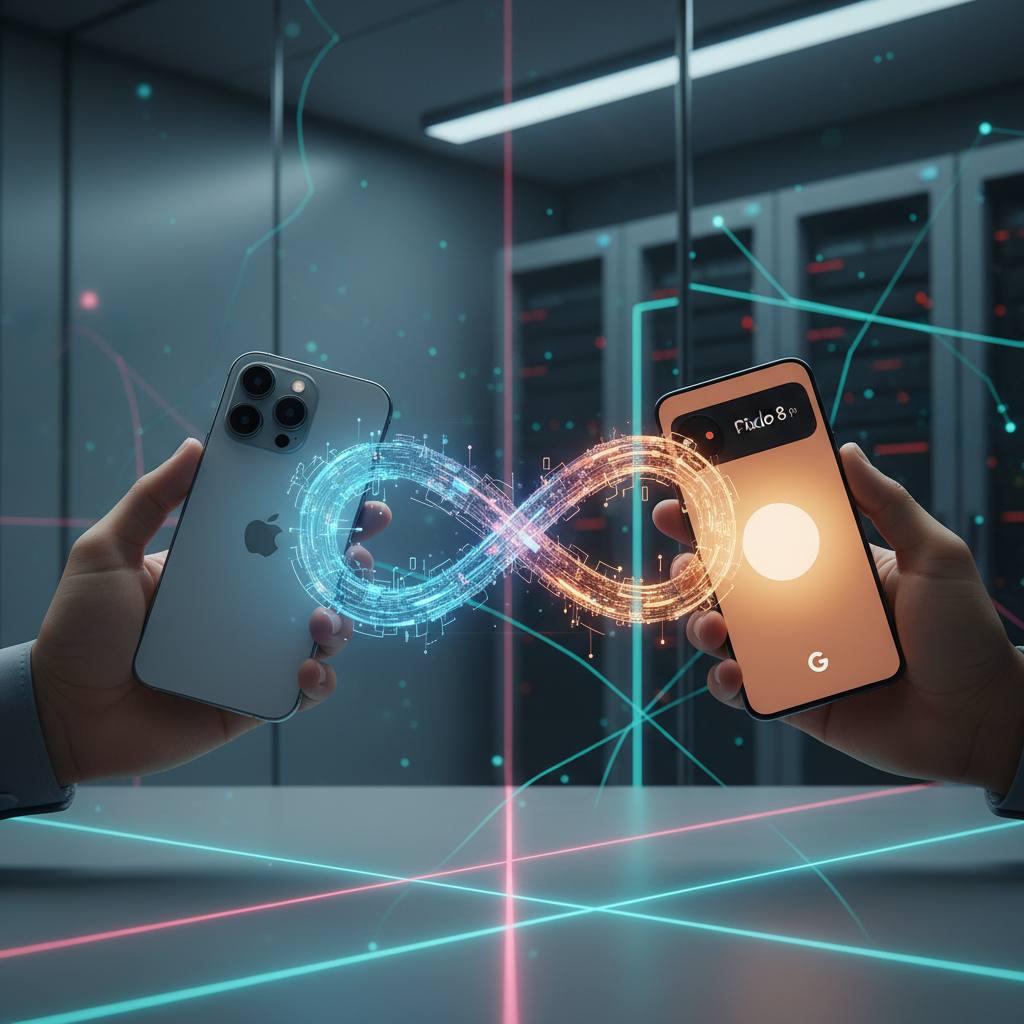
For over a decade, the mobile messaging landscape has been fragmented by a distinctive color war between blue and green bubbles, creating social friction and technical limitations for users worldwide. With the landmark integration of Rich Communication Services (RCS) into iOS 18, the telecommunications industry is finally dismantling these walls to create a unified messaging standard. This pivotal shift promises to modernize cross-platform communication, ensuring that clarity and connection are no longer dictated by the device in your pocket.
The Evolution of Mobile Messaging Standards
To understand the magnitude of the current shift toward RCS, one must look back at the origins of mobile text messaging. Short Message Service (SMS) was defined in the 1980s and became the backbone of mobile communication in the 1990s. While revolutionary at the time, SMS was severely limited by a 160-character cap and a lack of support for rich media. Multimedia Messaging Service (MMS) followed, allowing for grainy images and low-quality video, but it remained prone to compression artifacts and delivery failures.
As smartphones evolved, proprietary messaging apps like WhatsApp, Telegram, and Apple’s iMessage filled the void left by outdated carrier standards. They offered high-resolution photos, read receipts, and typing indicators. However, these features were locked within specific ecosystems or required third-party applications. This created a fractured experience where an iPhone user messaging an Android user was forced back into the archaic SMS/MMS protocol, resulting in pixelated videos and broken group chats. The adoption of RCS by Apple in late 2024 marks the first time in history that the native messaging apps of the world’s two dominant mobile operating systems speak the same modern language.
Understanding Rich Communication Services (RCS)
RCS is often described as the next generation of SMS. Developed under the guidance of the GSM Association (GSMA), it is an open standard designed to bring the features of modern instant messaging apps directly to the default texting app on your phone. Unlike iMessage, which routes messages through Apple’s proprietary servers, RCS operates through the carrier’s data network, adhering to the Universal Profile standard. This ensures interoperability across different networks and device manufacturers.
The technical benefits of this transition are immediate and tangible for the average user. When devices utilizing the RCS Universal Profile communicate, images retain their original quality, and videos are no longer compressed into unwatchable thumbnails. Furthermore, the protocol supports Wi-Fi messaging, meaning users can stay connected even when they do not have cellular signal, provided they have internet access. This reliability is a significant upgrade from the dependency on cellular voice channels used by legacy SMS.
The Data Behind the Trend
The push for RCS is not merely a technical upgrade; it is a response to overwhelming global demand and usage patterns that necessitate a more robust infrastructure. The adoption rates indicate that this technology is rapidly becoming the global default for communication.
According to recent data published by the GSMA, there are now over 1.2 billion monthly active users of RCS globally as of 2024. This figure underscores that RCS is not an experimental technology but a mature standard that has already eclipsed the user base of many popular standalone social media applications. The integration into iOS is expected to accelerate this growth exponentially, effectively doubling the reach of high-fidelity messaging in markets like North America.
From a business perspective, the engagement metrics are equally compelling. A report by Mobilesquared highlights that RCS business messaging generates engagement rates that are significantly higher than traditional SMS, with read rates often exceeding 80%. This suggests that users are not only adopting the technology but are finding it a more trustworthy and engaging medium for interacting with services and brands, moving beyond the simple one-way notifications of the past.
Security and the Privacy Conversation
While the interoperability features of RCS are celebrated, the conversation around security remains a critical component of this technological evolution. Standard SMS is notoriously insecure, as messages are sent in plain text and can be intercepted by sophisticated actors or during network spoofing attacks. RCS offers a significant improvement over these legacy protocols by implementing client-to-server encryption.
It is important to note, however, that the implementation of End-to-End Encryption (E2EE) varies. While Google’s implementation of RCS on Android currently offers E2EE by default for one-on-one chats, the cross-platform communication between iOS and Android via RCS currently relies on the standard GSMA protection levels, which encrypts data in transit but not necessarily end-to-end in the same manner as Signal or iMessage-to-iMessage. Nevertheless, the move away from SMS represents a massive leap forward in general privacy standards for cross-platform communication, reducing the surface area for common phishing and interception attacks.
Practical Tips for Optimizing Your Experience
As this technology rolls out globally to millions of devices, users may encounter growing pains or configuration settings that need adjustment. To ensure you are getting the most out of the new RCS standard, consider the following practical advice:

- Verify Carrier Support and Settings: RCS requires carrier support to function correctly. If you notice you are still sending SMS (green bubbles without modern features) to compatible devices, navigate to your device settings (typically under ‘Messages’ or ‘Chat Features’) and ensure ‘RCS Messaging’ is toggled on. If the option is unavailable, check for carrier settings updates or contact your mobile provider to confirm your plan supports the Universal Profile.
- Understand Fallback Protocols: Technology is not infallible. In areas with poor data connectivity (3G or Edge), RCS may fail to deliver. Most devices have a ‘Send as SMS’ fallback option. Keep this enabled to ensure that urgent messages are still delivered via the legacy voice network if the data network is unavailable, even if it means sacrificing high-resolution media for that specific instance.
- Manage Read Receipts and Typing Indicators: With great connectivity comes the pressure of immediate response. RCS enables read receipts and typing indicators by default in many implementations. For your digital well-being, remember that these can be toggled off in your privacy settings. You can enjoy the benefits of high-quality media sharing without broadcasting your online status or reading habits to every contact.
The Future of Connected Ecosystems
The integration of RCS into the broader mobile ecosystem represents more than just clearer photos; it symbolizes a maturity in the telecommunications industry. We are moving away from walled gardens where user experience is used as a competitive moat, toward a future where interoperability is the baseline. This shift benefits consumers first and foremost, allowing technology to fade into the background so that human connection can take center stage.
As we look toward the future, the potential for RCS extends beyond personal chatting. It opens the door for richer interactions with healthcare providers, smarter banking alerts, and seamless travel updates, all within the native inbox. The era of the simple text message is ending, replaced by a dynamic, interactive, and inclusive communication standard.
Join the Conversation
The technology in our hands is only as powerful as the way we use it to connect with one another. As we bridge the divide between operating systems, we have the opportunity to focus less on the color of a bubble and more on the substance of the conversation. We invite you to embrace these changes, explore the settings on your device, and become an active participant in this new era of digital communication. Stay curious, stay connected, and help build a community where technology unites rather than divides.
Leave a Reply