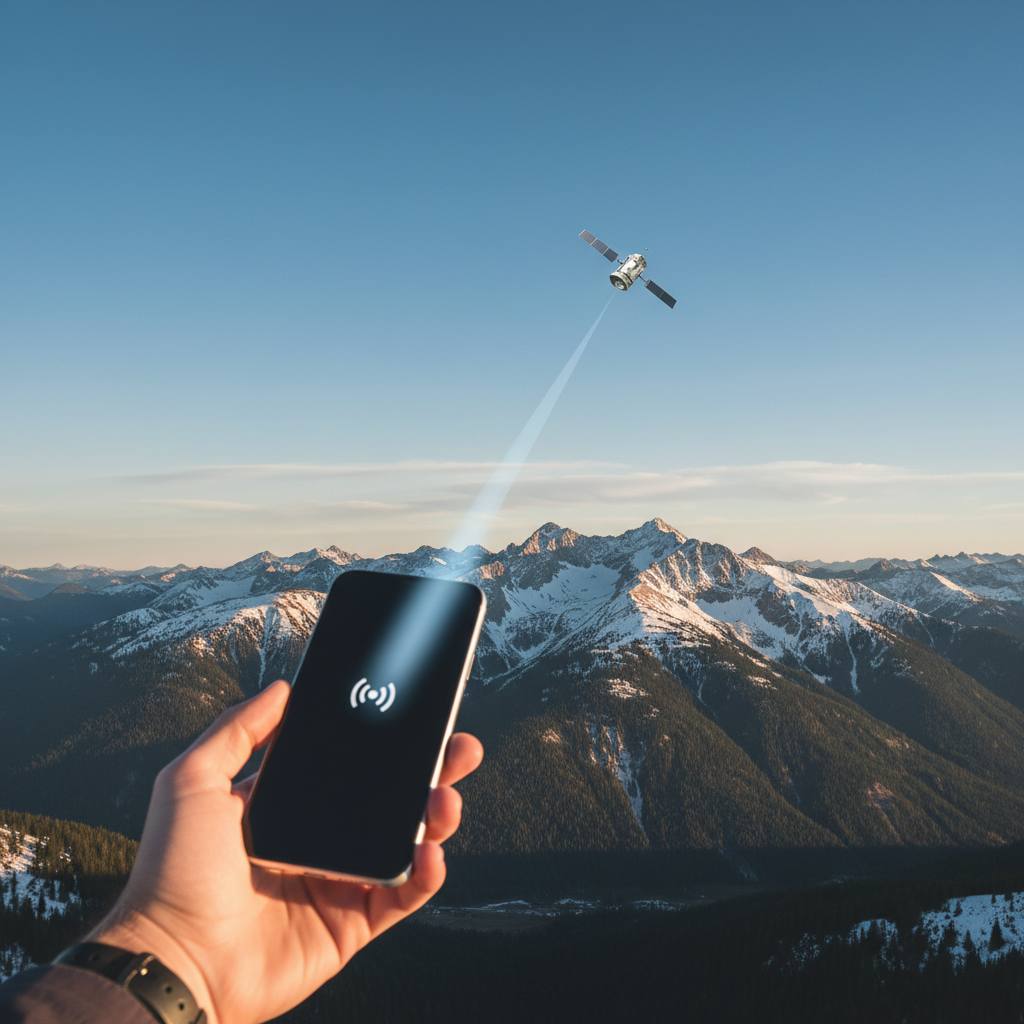
Imagine standing in the most remote corner of a vast mountain range, staring at a screen that displays zero bars of signal, yet successfully sending a message that reaches your family instantly. This scenario, once reserved for those carrying bulky and expensive specialized hardware, is rapidly becoming the new standard for consumer smartphones. As the telecommunications industry pivots toward the sky, the convergence of terrestrial mobile networks and non-terrestrial networks (NTN) marks one of the most profound shifts in connectivity history.
The Dawn of the Sky-High Network
For decades, the fundamental limitation of mobile technology has been geography. Cell towers require power, land, and fiber backhaul, making them economically unfeasible in sparsely populated areas, oceans, and rugged terrains. Consequently, a significant portion of the Earth’s surface has remained a digital dead zone. However, the latest trend in telecommunications technology—Direct-to-Device (D2D) satellite connectivity—is dismantling these physical barriers. By allowing standard smartphones to communicate directly with Low Earth Orbit (LEO) satellites, the industry is effectively turning the sky into the ultimate cell tower.
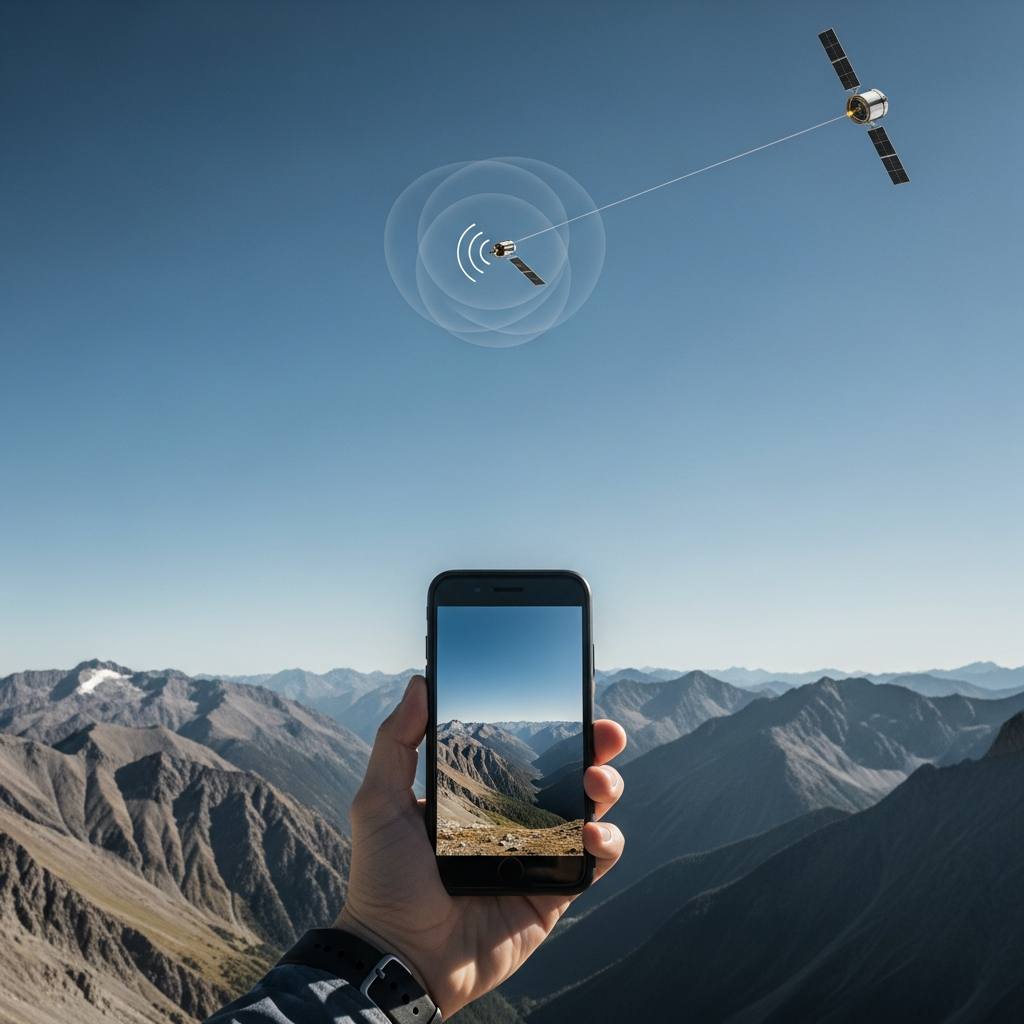
This technology operates differently from the legacy satellite phones of the past, which relied on high-orbit Geostationary (GEO) satellites. Those older systems required large antennas and had significant latency. The current revolution utilizes LEO constellations, which orbit much closer to Earth (often between 500 and 2,000 kilometers). This proximity reduces signal lag and allows the compact antennas already inside modern smartphones to establish a link, provided there is a clear view of the sky. It is a seamless integration of hardware and software that promises ubiquitous coverage.
Understanding the Technology: 5G NTN
At the heart of this transformation is the 3GPP Release 17 standard, which officially introduced Non-Terrestrial Networks (NTN) into the 5G ecosystem. This standardization is crucial because it moves the industry away from proprietary, walled-garden solutions toward a unified framework where any compliant device can roam onto satellite networks. This works much like international roaming does today, but instead of switching from AT&T to Vodafone, your phone switches from a terrestrial tower to a satellite passing overhead.
The technical implications are vast. Mobile Network Operators (MNOs) are now partnering with satellite providers to extend their coverage maps instantly. For the end-user, this means that the concept of “out of service” is slowly becoming obsolete. Initially starting with emergency SOS features, the roadmap for this technology is rapidly expanding to include two-way SMS, messaging apps, and eventually, voice and low-bandwidth data services.
The Global Impact and Market Reality
The drive for satellite integration is not merely a luxury for adventure travelers; it is a necessity for bridging the digital divide. According to recent data from the GSMA, while mobile broadband coverage is extensive, approximately 5% of the global population still lives in areas not covered by a mobile broadband network. While this percentage seems small, it represents hundreds of millions of people, primarily in rural and developing regions, who are entirely cut off from the digital economy.
Furthermore, the economic incentive for this technological leap is undeniable. A report by ABI Research projects that the satellite-to-mobile market could reach 6.8 million monthly active users by 2027, indicating a massive consumer appetite for guaranteed connectivity. This growth trajectory suggests that satellite capability will soon be a standard feature in flagship and mid-range devices, rather than a niche selling point.
Practical Applications Beyond Emergencies
While the marketing for D2D connectivity often focuses on dramatic rescue stories, the practical applications are far broader. For logistics and supply chain management, this technology ensures that assets moving across oceans or deserts are always trackable. For the agricultural sector, IoT sensors in remote fields can transmit data regarding soil moisture and crop health without the need for expensive local infrastructure.
In the realm of personal use, this shift changes how we plan travel and remote work. Digital nomads, who were previously tethered to locations with reliable Wi-Fi or 4G, can now venture further off the grid while maintaining a lifeline to their clients and teams. It democratizes the freedom of movement, ensuring that safety and communication are not compromised by the desire for exploration.
Navigating the Transition: Practical Tips
As we transition into this new era of hybrid connectivity, users must understand how to optimize their devices for satellite communication. Unlike cellular signals which can penetrate glass and thin walls, satellite connections are more fragile and demand specific conditions. Here are three practical tips to ensure you are ready to utilize this technology:
-
- Prioritize Line of Sight: Satellite signals operate on high frequencies that are easily blocked by obstructions. If you need to connect, move to an open area away from tall buildings, dense tree canopies, or deep canyons. Your phone needs to “see” the satellite to talk to it.
-
- Manage Battery Consumption: Searching for a satellite signal consumes significantly more power than connecting to a nearby cell tower. If you are in a dead zone, turn off the satellite search feature until you actually need to send a message to preserve your battery life for emergencies.
- Update Firmware Regularly: Because this technology is in its infancy, manufacturers are frequently releasing updates to improve connection stability and satellite handover protocols. ensuring your device is running the latest software is critical for functionality.
Reflecting on a Connected Future
The integration of satellite technology into our mobile devices serves as a powerful reminder of human ingenuity. We are no longer limited by the infrastructure we can build on the ground; we are looking upward to solve the problems of the earth. This technological evolution forces us to reflect on what it means to be truly connected. It offers a safety net for the adventurous and a bridge for the isolated.
However, with this ubiquity comes the responsibility of balance. Just because we can be reached anywhere, does not always mean we should be. As we embrace this era of total connectivity, we must also learn the art of intentional disconnection, using these tools to enhance our lives rather than dictate them.
Join the Conversation
The future of telecommunications is being written right now, and it is happening in the orbit above us. As this technology becomes accessible to the mainstream, it will undoubtedly shape how we work, travel, and stay safe. We invite you to stay curious, keep exploring the boundaries of technology, and become part of this growing community of tech enthusiasts who are watching the skies for the next big breakthrough.
Leave a Reply