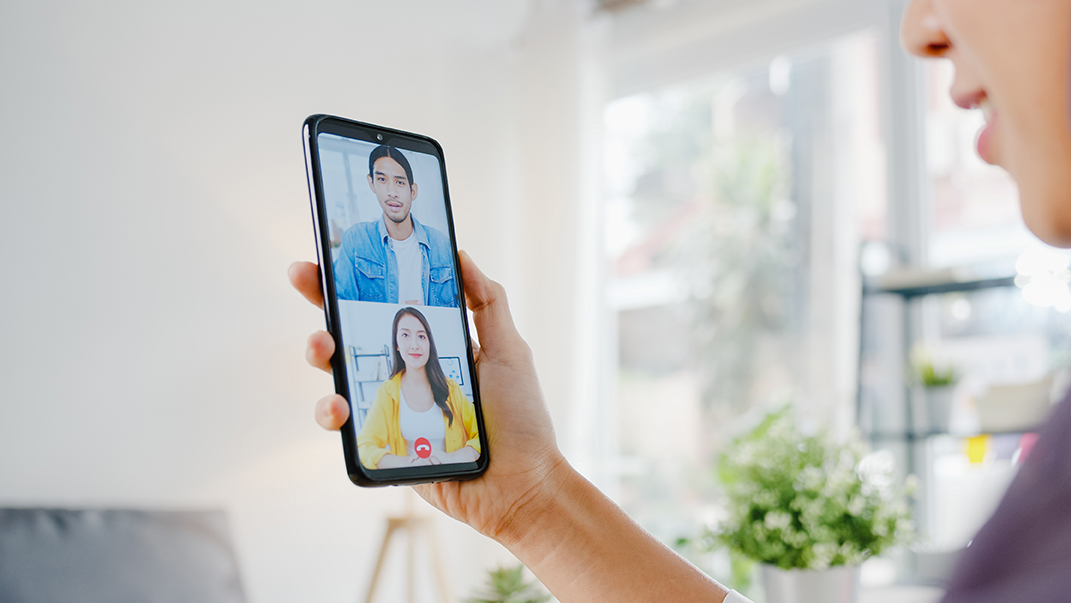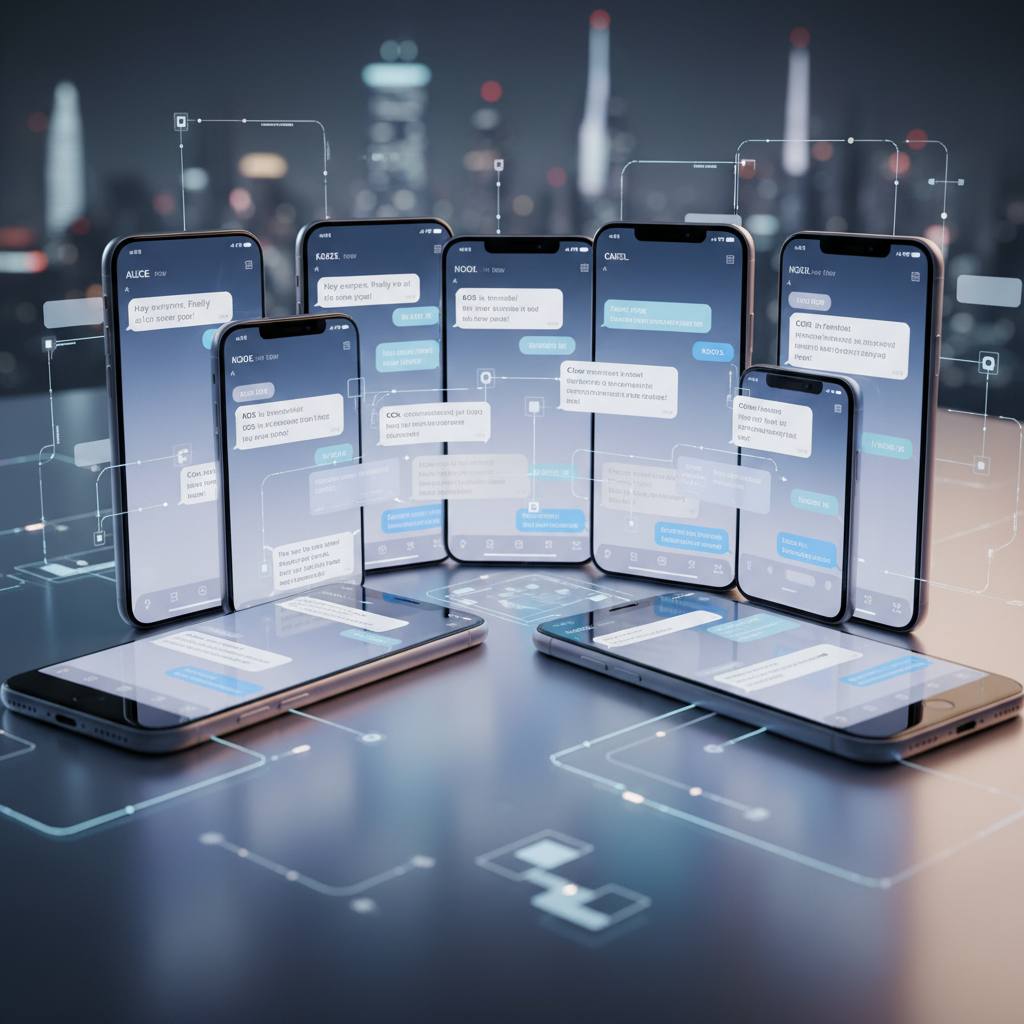
For years, the mobile landscape has been silently divided by a color-coded chasm that dictated the quality of our digital conversations, splitting users into distinct camps based on their operating systems. This technological segregation often resulted in pixelated videos, broken group chats, and a lack of basic typing indicators, creating friction in our daily communications. However, with the widespread adoption of Rich Communication Services (RCS) and its recent integration into the iOS ecosystem, we are finally witnessing the dawn of a truly unified messaging era.
Understanding the Shift: From SMS to RCS
To truly appreciate the magnitude of this trend, we must look back at the humble beginnings of mobile messaging. Short Message Service (SMS) was the bedrock of mobile communication for decades, limited to 160 characters and devoid of rich media capabilities. Multimedia Messaging Service (MMS) attempted to bridge the gap but was plagued by low file size limits and compression issues. These legacy protocols were sufficient for the flip-phone era, but they struggled to keep pace with the smartphone revolution.
RCS, or Rich Communication Services, is the industry’s answer to modernizing carrier-based messaging. Unlike proprietary apps that require both users to download specific software (like WhatsApp or Telegram), RCS operates directly through the native messaging app on your phone, provided by the carrier network and the internet. It transforms the standard texting experience into something akin to instant messaging, offering high-resolution photo and video sharing, read receipts, typing indicators, and better group chat management.
The most significant catalyst in this recent trend is the adoption of the RCS Universal Profile by major industry players, culminating in Apple’s integration of RCS support in iOS 18. This move effectively ends the era where cross-platform messaging was a degraded experience. It signifies a maturation of the telecommunications ecosystem, where interoperability is prioritized over walled gardens, ensuring that communication remains seamless regardless of the device in your pocket.
The Technical Architecture of Connectivity
At its core, RCS relies on data connectivity (Wi-Fi or cellular data) rather than the cellular voice signaling path used by SMS. This architectural shift allows for a much richer payload of information. When a device sends an RCS message, it queries the capability of the recipient’s device. If the recipient is RCS-enabled, the message is sent with full rich features. If not, it seamlessly falls back to SMS or MMS, ensuring the message is always delivered.
This \”capability discovery\” mechanism is vital for the user experience. It happens instantly in the background, allowing the interface to adjust dynamically. For instance, the input field might change to indicate \”Chat message\” instead of \”Text message,\” signaling that rich features are active. This sophisticated backend negotiation is what makes the technology feel like magic to the end-user, erasing the frustration of failed media uploads or garbled group texts.
Why This Matters: The Impact on Consumer Experience
The practical benefits of this shift are profound. For families and friend groups with mixed device preferences, the \”green bubble\” stigma is rapidly fading. No longer will a video of a grandchild’s first steps arrive as a blurry, stamp-sized thumbnail on a relative’s phone. High-fidelity media sharing is now standard across platforms, democratizing the quality of connection.
Furthermore, reliability has improved. Because RCS can operate over Wi-Fi, users in areas with poor cellular reception but strong internet connectivity can continue to message without interruption. This is particularly crucial for remote workers and travelers who may rely on hotel or coffee shop Wi-Fi networks where cellular signals are unable to penetrate.
By the Numbers: The Rise of Rich Messaging
The trajectory of RCS adoption paints a clear picture of a technology that has moved from niche to norm. According to recent data from GSMA Intelligence, there are now over 1.2 billion monthly active users of RCS globally as of 2024, a figure that is expected to surge significantly following wider iOS integration. This massive user base underscores that RCS is not just a feature; it is the new global standard.
From a business perspective, the engagement metrics are equally compelling. Research by Mobilesquared indicates that RCS business messaging generates click-through rates (CTR) roughly 10 times higher than traditional SMS. This statistic highlights how rich interactivity—such as carousel menus, quick-reply buttons, and verified sender branding—creates a more trustworthy and engaging environment for users compared to the plain text links of the past.
Security and Trust in the Modern Age
With great connectivity comes the responsibility of security. Traditional SMS is notoriously insecure, susceptible to spoofing and interception. RCS introduces verified sender profiles, which help combat phishing attempts (smishing) by allowing businesses to register their brand identity. When you receive a message from your bank via RCS, you can see their logo and a verification badge, providing an immediate visual layer of trust.
However, it is important to note that encryption standards can vary. While Google’s implementation of RCS typically includes end-to-end encryption (E2EE) for one-on-one chats, the Universal Profile standard itself requires robust implementation by all carriers to ensure total privacy. As the technology matures, we are seeing a push toward making E2EE the default across all cross-platform communications, further securing our digital conversations against prying eyes.
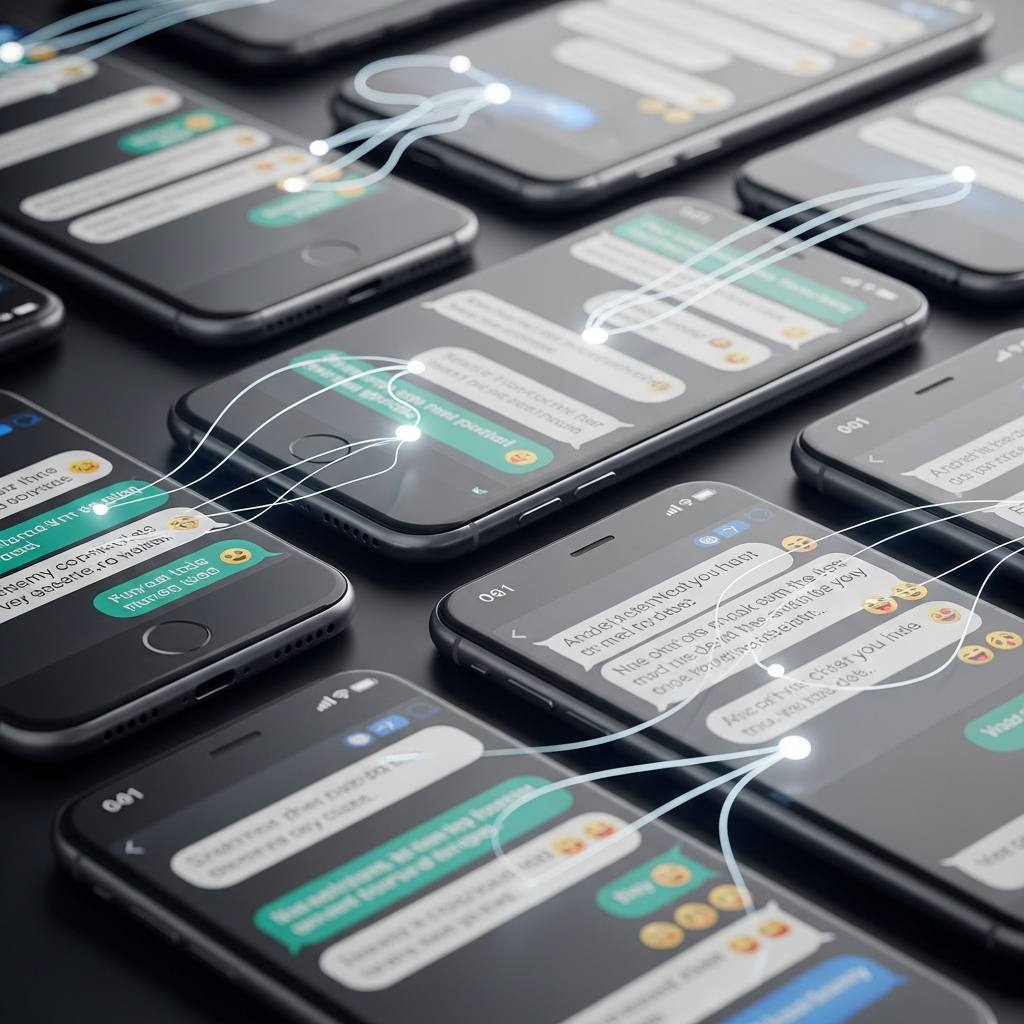
Practical Tips for Optimizing Your Messaging Experience
To fully benefit from this telecommunications evolution, users should ensure their devices are correctly configured. Here are three practical tips to maximize your RCS experience:
- Check Your Carrier Settings: While most modern updates enable RCS automatically, it is sometimes buried in settings. On Android, check the settings within the Messages app under \”RCS chats.\” On iOS, navigate to Settings > Apps > Messages and ensure \”RCS Messaging\” is toggled on. If this option is missing, you may need to update your carrier settings or contact your provider to confirm support on your plan.
- Monitor Data Usage for Media: Unlike SMS, which does not consume your mobile data plan, RCS uses data to send high-resolution images and videos. If you have a limited data cap, be mindful when sharing large video files while off Wi-Fi. Configure your messaging app to \”Send photos faster\” or compress media when not connected to Wi-Fi if data conservation is a priority.
- Utilize Reactions to Reduce Clutter: One of the best features of RCS is the ability to react to messages with emojis (heart, thumbs up, laugh) rather than sending a separate text saying \”Okay\” or \”Haha.\” Use these reactions to keep group chats clean and readable. This prevents the notification fatigue that often occurs when multiple people reply with short confirmations to a single message.
The Future: Beyond Texting
Looking ahead, the evolution of mobile messaging is set to blur the lines between an app and a platform. We are moving toward an era of \”Conversational Commerce,\” where users can book appointments, buy tickets, or track packages entirely within their native messaging app, powered by RCS. This reduces app fatigue—the need to download a separate application for every service—and streamlines our digital lives.
The integration of AI assistants into these messaging streams is the next logical step. Imagine an RCS thread with a travel airline where an AI helps you rebook a flight in real-time using rich cards and secure payment buttons, all without leaving the chat. The infrastructure being laid today with RCS is the foundation for these future interactions.
Reflecting on Connection
As we embrace these technological advancements, it is worth reflecting on what they represent. The move toward a unified messaging standard is not just about clearer photos or typing bubbles; it is about removing the barriers that separate us. In a world that often feels fragmented, technology should serve as a bridge, not a wall. The end of the \”green bubble vs. blue bubble\” war is a small but symbolic victory for inclusivity in the digital age.
We invite you to explore these settings on your device today and reach out to someone you haven’t spoken to in a while. Experience the clarity of modern connection. Join the community of users who are prioritizing the quality of conversation over the brand of the device, and let’s build a more connected future together.