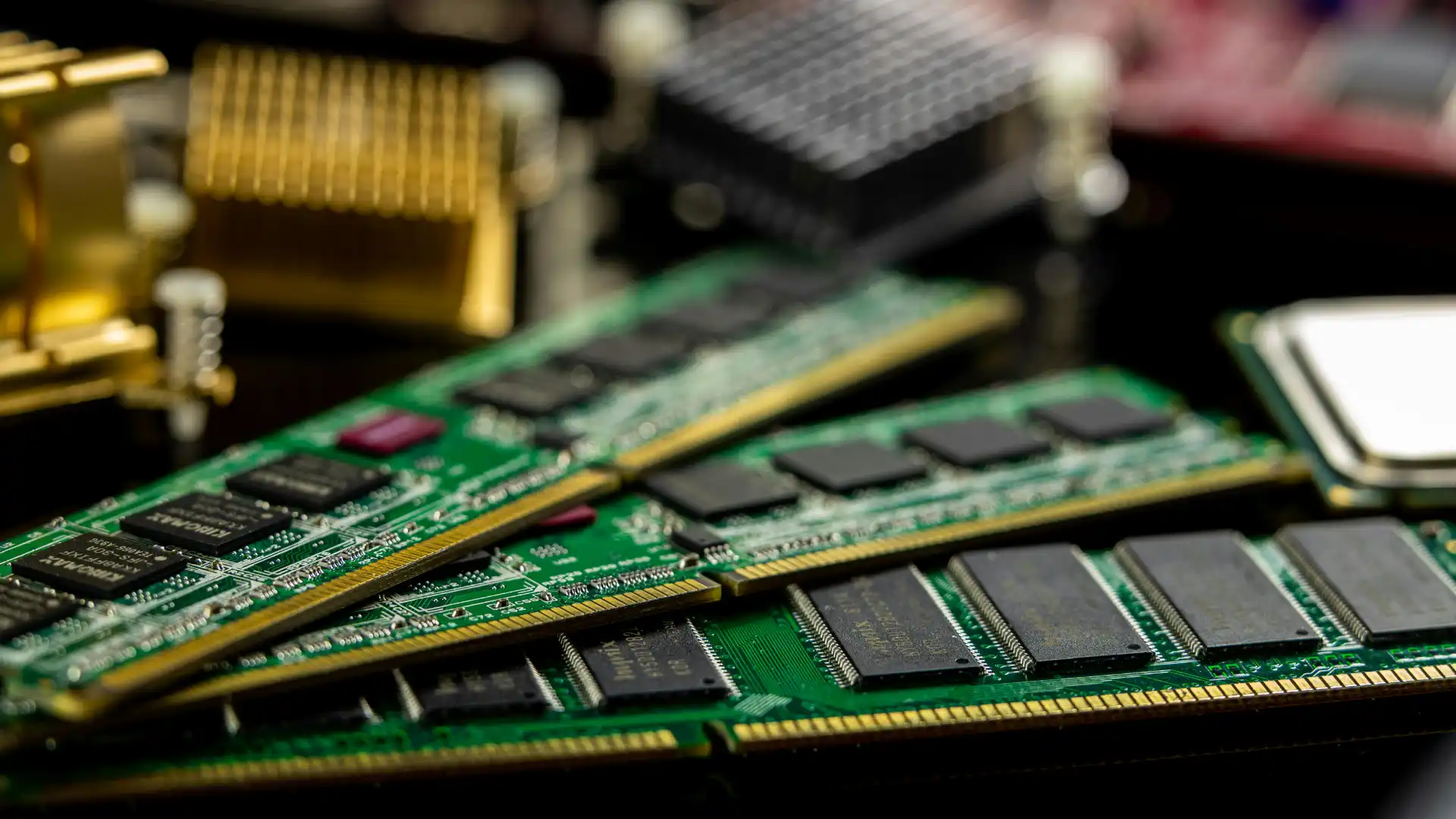
RAM prices have exploded in early 2026, driven by insatiable AI and data center demand that’s diverting supplies from everyday devices like laptops, phones, and desktops. While manufacturers once kept costs low for consumers, this supply squeeze—forecast to last through 2027—threatens 8-15% hikes in device prices and a return to spec-downgraded budget models.
The AI Demand Explosion
Artificial intelligence workloads require massive high-bandwidth memory (HBM) and server-grade DDR5, with hyperscalers like AWS, Google, and Microsoft snapping up 70% of premium DRAM production. These giants book capacity years ahead, leaving consumer RAM as an afterthought; Nvidia’s AI servers alone guzzle more memory per unit than entire PC fleets.
DRAM contract prices jumped 55-95% quarter-over-quarter in Q1 2026, with DDR5 32GB modules hitting $500—double or triple late-2025 levels. NAND flash, used in SSDs, follows suit at 55-60% rises, amplifying the pain across storage.
Supply Chain Bottlenecks
DRAM makers like Samsung, SK Hynix, and Micron prioritize lucrative HBM and enterprise DDR5 over commodity chips, reallocating fabs and delaying DDR4 end-of-life to ration output. Despite 20% production hikes, demand outpaces supply; fears of an AI bubble bursting deter massive new investments.
Even legacy DDR4 isn’t spared, with prices doubling as factories pivot—Samsung extended its production but earmarked it for servers. This “RAMageddon” hits globally, from Bogotá’s tech shops to U.S. retailers, where Black Friday 2025 deals marked the end of cheap upgrades.
| Factor | Price Impact | Key Driver |
|---|---|---|
| AI Servers | 70% DRAM share | Hyperscaler contracts |
| HBM Shift | +100% DDR5 | Production reallocation |
| NAND Surge | 55-60% SSDs | Server prioritization |
| DDR4 EOL | Doubling costs | Delayed phase-out |
Ripples to Consumer Devices
Laptops and desktops face 8-15% price jumps per IDC and OEMs like Dell/Lenovo, as RAM comprises 15-20% of bill of materials (BOM)—a 16GB laptop’s cost rises $40-50. Smartphones revert to 4-8GB configs in budget tiers, with mid-range BOMs up 15% and sales dipping 5%.
Tablets, TVs, and even appliances feel it; PC shipments contract 7-9% as buyers delay. Framework laptops halt standalone RAM sales, while scalpers prey on enthusiasts—64GB DDR5 now rivals a PS5’s price.
Industry Reactions and Forecasts
OEMs panic-buy stocks, downgrade specs (e.g., Asus/MSI hoard), and pass costs downstream; TrendForce predicts persistence into 2027. Google even fired execs over shortages, underscoring severity. Recovery hinges on new fabs (e.g., Micron’s Japan plant), but normalization lags to 2028.
What You Can Do Now
Upgrade sooner if possible—stock up on 16-32GB kits before Q2 escalates. Explore refurbished gear, BIOS tweaks for efficiency, or DDR4 holdouts where viable. For businesses in Bogotá or elsewhere, budget 20% buffers, phase IT rollouts, and eye memory-efficient software.
Long-term, this signals computing’s shift: AI’s gains mean consumer trade-offs, but expect supply ramps by late 2027 to ease pressures