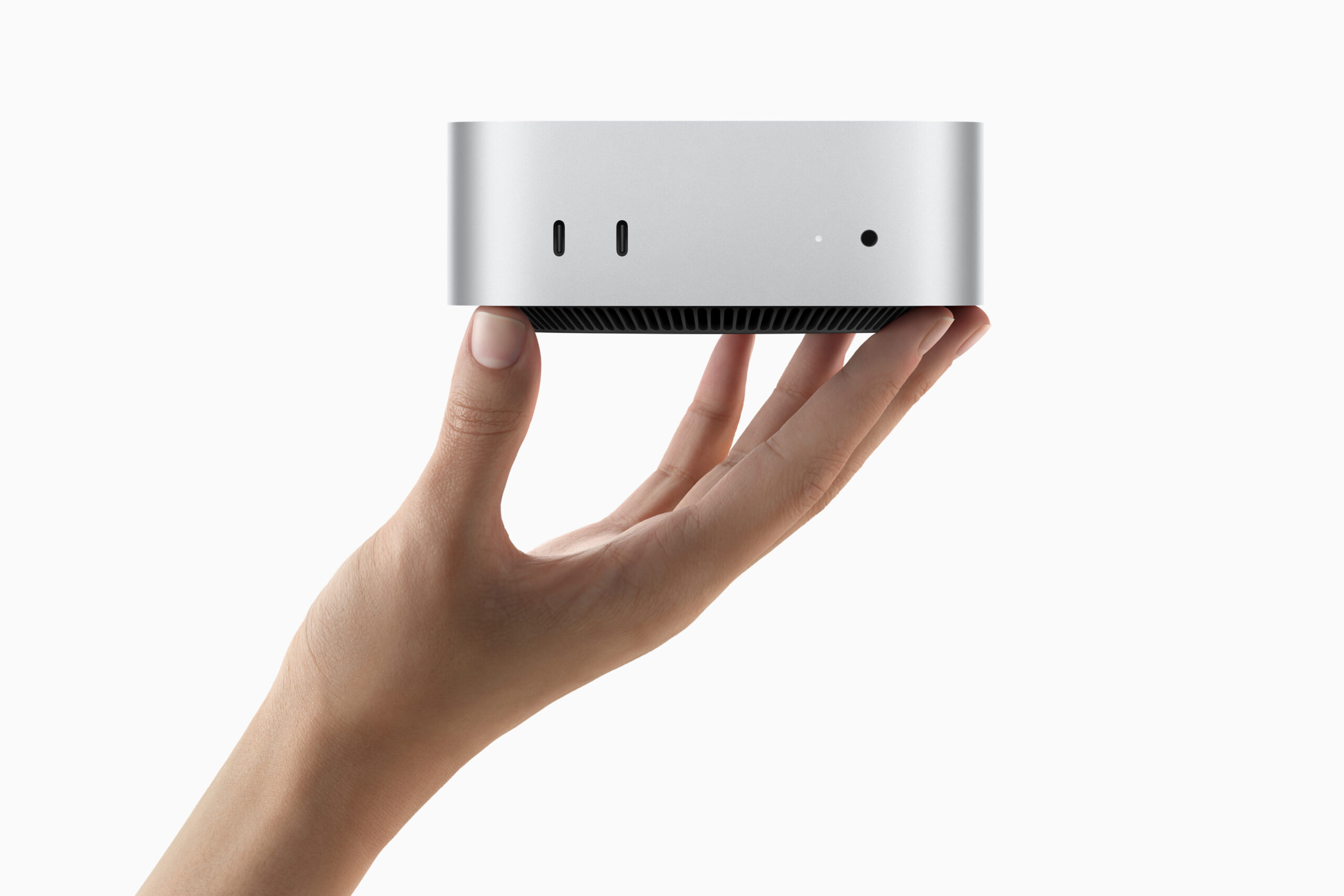
Mini personal computers like Apple’s Mac Mini and NVIDIA’s Jetson Orin Nano are exploding in popularity, shrinking desktop power into palm-sized packages. Driven by chip miniaturization and lifestyle shifts, these devices offer end users unmatched efficiency for home offices, AI projects, and creators—often outperforming laptops in fixed setups.
The Mini PC Trend: From Niche to Mainstream
The surge in ultra-compact PCs reflects advances in processors (3nm/2nm nodes), soldered LPDDR5X RAM (up to 64GB), and M.2 NVMe SSDs that pack 4TB into thumb-sized slots. Market growth hits 9-15% CAGR through 2030, fueled by remote work, edge AI, and space-strapped users ditching bulky towers for devices under 5×5 inches.
Apple’s M4 Mac Mini exemplifies this, delivering desktop-grade performance at 20-50W with passive cooling potential. Intel NUCs and Beelink minis follow, powering everything from digital signage to 4K editing rigs.

NVIDIA Jetson Orin Nano: AI in Your Pocket
The Jetson Orin Nano slots perfectly into this trend as a credit-card module (70x45mm) boasting 40 TOPS AI inference via 1024 Ampere GPU cores and a 6-core Arm CPU. At $199-299 and 7-15W, hobbyists transform it into full mini PCs using cases, NVMe add-ons, and emulation for Windows apps.
While aimed at robotics and vision AI, it’s hacked for Home Assistant servers, local LLMs, and voice assistants—rivaling M1 Mac Minis in efficiency. Limitations like Arm-only native software keep it niche, but its raw AI muscle accelerates the “tiny supercomputer” shift.
Tech Behind the Miniaturization
Core enablers include integrated SoCs merging CPU/GPU/NPU, PCIe 5.0 for blistering storage speeds (>10GB/s), and Thunderbolt 5/Wi-Fi 7 for dense connectivity. These yield 80-90% desktop power in 10% volume, with silent operation and energy savings amid rising utility costs.
Why It Matters for Everyday Users
For bloggers like you in Bogotá, these PCs mean always-on power for multi-monitor writing, AI research, or content rendering without laptop throttling. They slash electricity (5-25W vs. 100W+ desktops), run silently 24/7, and modularize upgrades—extending life beyond sealed laptops.
Mini PC vs. Laptop: The Stationary Edge
Laptops win portability, but minis dominate fixed desks.
Pair a Jetson or Mac Mini with your existing monitor/keyboard for a tailored rig—ideal for tech trends analysis or long-form SEO work.
Replacing the Desktop Tower
Minis obsolete ATX cases by matching (or exceeding) performance in book-sized forms, supporting multi-4K, NAS duties, or AI inference that desktops guzzle power for. They’re relocateable “headless” servers for home labs, outpacing towers in efficiency per watt—perfect for SMBs or creators.
Future Outlook and Getting Started
By 2027, expect 1nm chips and 100+ TOPS consumer modules, blending Jetson-like AI with x86 ease. Start with a $250 Jetson kit or $599 M4 Mini; pilot for your blogging workflow to cut stalls in productivity.
This isn’t just smaller tech—it’s smarter computing, reclaiming desk space for what matters.